
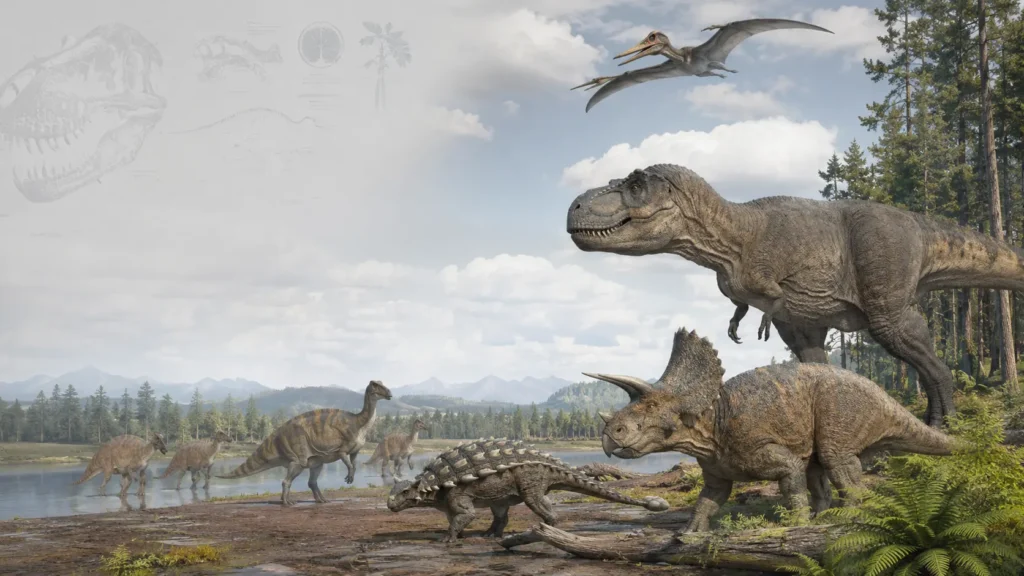
About extinct Atlas
ExtinctAtlas is an independent educational project dedicated to documenting extinct species and the fossil evidence used to study them. Our goal is to make paleontology accessible without sacrificing scientific accuracy.
From dinosaurs and pterosaurs to mammoths, marine reptiles, and prehistoric predators, ExtinctAtlas brings together species profiles, fossil discoveries, anatomical research, ecological reconstructions, and scientific references into a structured knowledge system designed for students, educators, enthusiasts, and lifelong learners.
Our Mission
ExtinctAtlas exists to make paleontology accessible without sacrificing scientific accuracy.
Every species profile, fossil guide, and comparison article is built around the fossil record, peer-reviewed research, and modern scientific interpretation. Our goal is not simply to catalogue extinct organisms, but to explain how scientists reconstruct the lives of animals that disappeared millions of years ago.
What You Will Find Here
- Species Profiles
- Fossil Discoveries
- Anatomy & Biomechanics
- Diet & Ecology
- Evolutionary Relationships
- Extinction Research
- Scientific Comparisons
What Makes ExtinctAtlas Different
Many prehistoric life websites focus on entertainment, rankings, or speculative battles.
ExtinctAtlas takes a different approach.
We distinguish between:
- Direct fossil evidence
- Scientific interpretation
- Areas of uncertainty
This helps readers understand not only what is known, but also what remains debated within paleontology.
Beyond Dinosaurs
ExtinctAtlas documents far more than dinosaurs. The database includes prehistoric mammals, marine reptiles, pterosaurs, ancient sharks, early birds, and other extinct organisms that shaped Earth’s history.
By exploring species across multiple geological periods, we aim to provide a broader understanding of evolution, extinction, and prehistoric ecosystems.
Transparency and Editorial Approach
ExtinctAtlas is an independent educational project managed by Avijit Sarkar.
Content is developed using peer-reviewed scientific literature, museum publications, taxonomic resources, fossil databases, academic research, and other educational references relevant to paleontology and extinct life.
Modern digital tools, including artificial intelligence systems, may assist with information organization, data synthesis, drafting support, content structuring, and editorial workflows. These tools are used to support research and publishing processes and are not a substitute for scientific evidence or editorial review.
All published content undergoes review before publication with the goal of improving clarity, consistency, accuracy, and evidence alignment.
ExtinctAtlas is committed to transparency regarding the methods and tools used to build and maintain this resource.
Evidence Standards
ExtinctAtlas recognizes that extinct organisms cannot be observed directly. As a result, scientific understanding is built through fossil evidence, comparative anatomy, geological context, biomechanical analysis, and ongoing research.
Whenever practical, ExtinctAtlas distinguishes between:
• Direct fossil evidence
• Evidence-supported scientific interpretation
• Areas of uncertainty or active scientific debate
Our goal is not only to explain what scientists currently understand, but also to communicate the confidence and limitations associated with that understanding.
Scientific interpretations may change as new fossil discoveries, analytical techniques, and research findings become available.
The Future of ExtinctAtlas
ExtinctAtlas is an ongoing long-term project. As the database expands, we aim to increase species coverage, deepen fossil documentation, improve scientific referencing, and build one of the web’s most comprehensive educational resources dedicated to extinct life and paleontology.

Recommended Paleontology & Natural History Books
As an Amazon Associate, Extinct Atlas may earn from qualifying purchases.
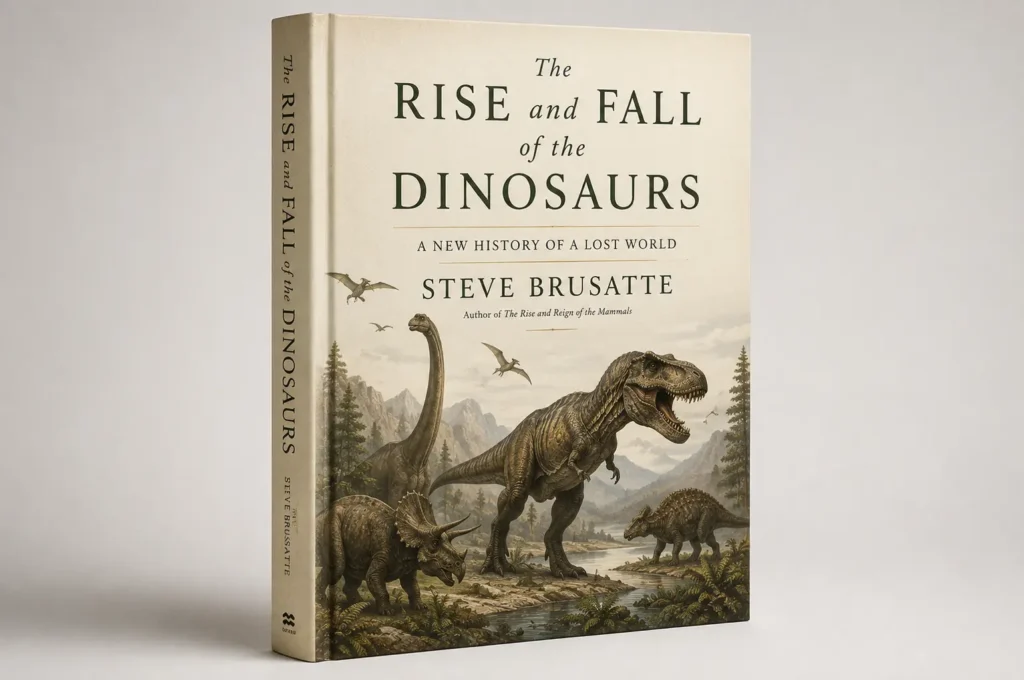
The Rise and Fall of the Dinosaurs
A compelling history of dinosaurs, tracing their origins, diversification, 200-million-year reign, extinction, and enduring legacy.
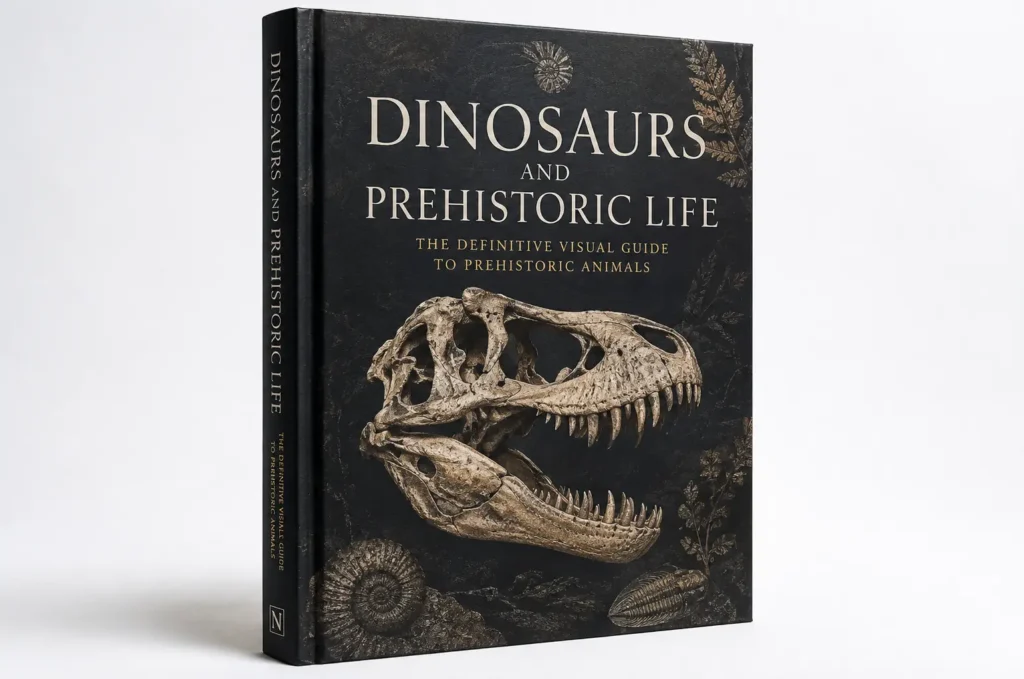
Dinosaurs and Prehistoric Life
A richly illustrated visual reference exploring dinosaurs, fossils, evolution, and prehistoric life across geological time.
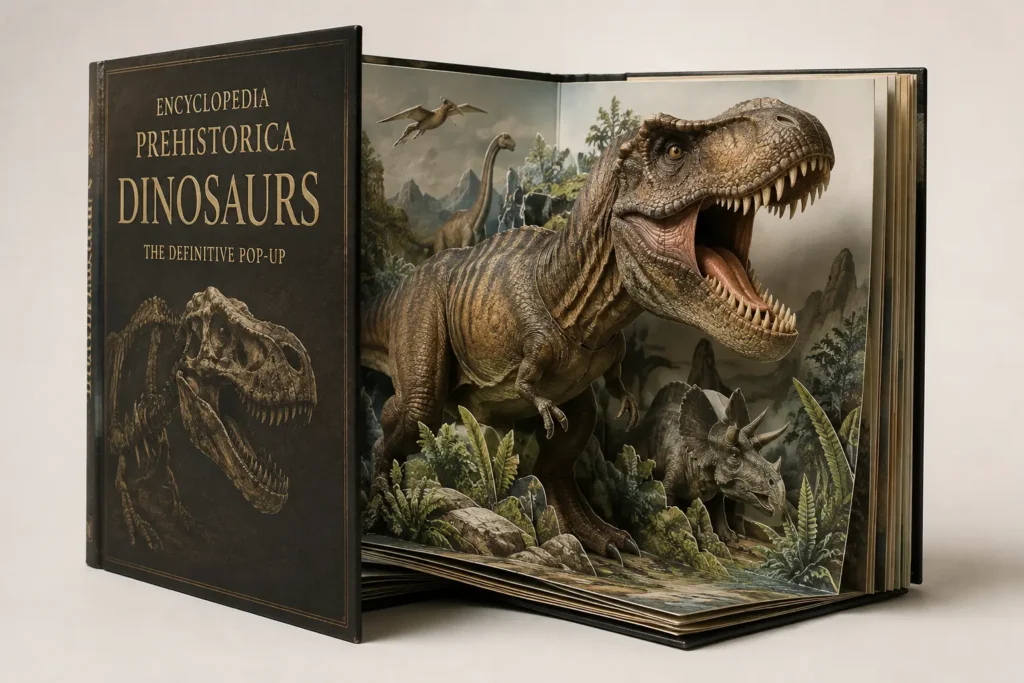
Encyclopedia Prehistorica: Dinosaurs
An interactive dinosaur book featuring spectacular three-dimensional pop-ups, particularly suited to young readers and families.
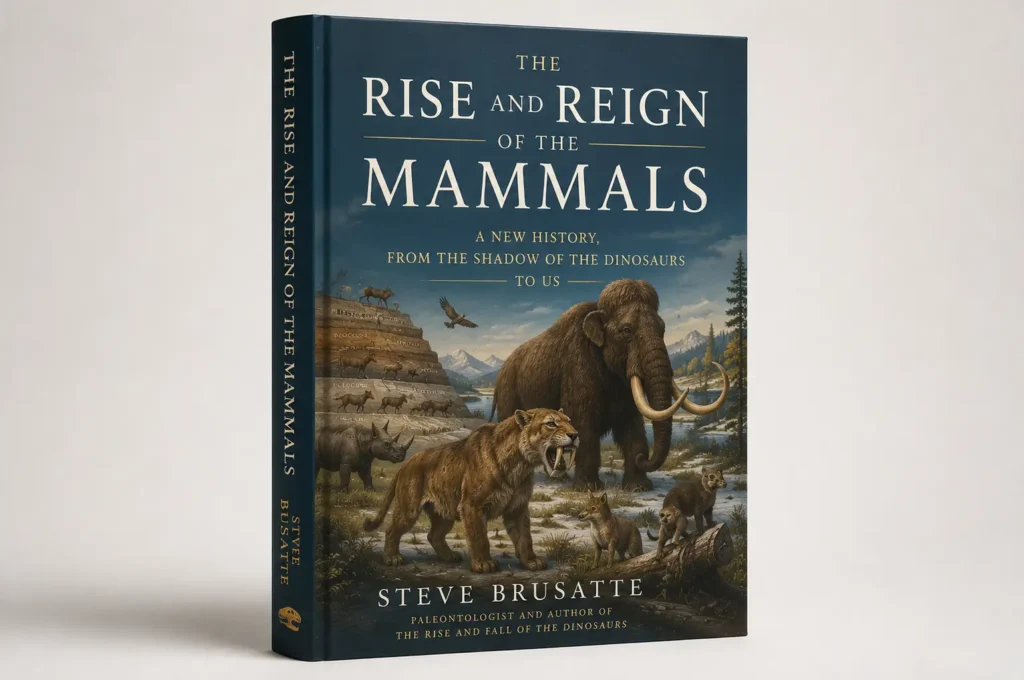
The Rise and Reign of the Mammals
A sweeping history of mammalian evolution, from their origins alongside dinosaurs through the Cenozoic and the emergence of humans.