
Explore Earth’s Lost Species Through Fossils and Science
ExtinctAtlas is a structured database of extinct species, focused on dinosaurs and prehistoric animals that lived millions of years ago. Built around fossil evidence and scientific interpretation, the platform organizes complex paleontological knowledge into clear, accessible species profiles and connected topic guides.
From large herbivores to apex predators, dinosaurs represent one of the most diverse and evolutionarily significant groups in Earth’s history. ExtinctAtlas allows you to explore how these animals lived, what they ate, how they moved, and how they interacted within their ecosystems—based on evidence preserved in the fossil record.
Whether you are looking for a quick overview of a species or a deeper understanding of its anatomy, behavior, or ecological role, this platform is designed to provide both clarity and depth.

Featured Species


Understanding Extinct Life Through Fossils
The history of life on Earth extends across hundreds of millions of years and includes an extraordinary diversity of extinct organisms. From giant dinosaurs and flying pterosaurs to marine reptiles, prehistoric mammals, and ancient sharks, these species occupied ecosystems that no longer exist today.
Our understanding of extinct life comes primarily from the fossil record. Fossils preserve evidence of anatomy, growth, movement, feeding behavior, and evolutionary relationships, allowing scientists to reconstruct organisms long after their extinction.
Modern paleontology combines fossil discoveries with comparative anatomy, biomechanics, geology, and ecological research. By studying bones, teeth, footprints, and ancient environments, researchers can build increasingly detailed pictures of how extinct species lived and interacted with their surroundings.
ExtinctAtlas organizes this scientific knowledge into structured species profiles, fossil guides, and evidence-based articles designed to make paleontology accessible to students, educators, enthusiasts, and curious readers alike.


Explore Dinosaur Species
The diversity of dinosaurs can be understood through their ecological roles and physical adaptations. Some species evolved to consume large quantities of plant material, while others developed powerful jaws and sharp teeth to hunt other animals.
Herbivorous dinosaurs like Parasaurolophus are known for their specialized feeding structures and distinctive features such as elongated cranial crests. These animals often lived in environments rich in vegetation, where they could sustain their large body sizes through continuous feeding.
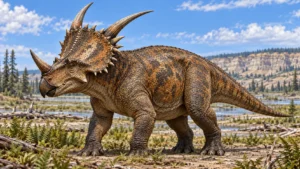
Defensive herbivores such as Triceratops evolved horns and frills that likely played a role in protection against predators and in social behavior. These adaptations highlight the evolutionary pressures present in prehistoric ecosystems.
On the predator side, species like Tyrannosaurus Rex represent some of the most powerful terrestrial carnivores ever to exist. Fossil evidence shows that T. rex possessed a massive skull, strong bite force, and sensory adaptations that made it an effective apex predator.
Other predators, such as Spinosaurus, exhibit unique ecological adaptations, including semi-aquatic hunting behavior. This demonstrates that dinosaurs occupied a wide range of ecological niches, far beyond the traditional land-based predator model.
Smaller, agile species like Velociraptor provide insight into speed, coordination, and evolutionary links to modern birds, highlighting the diversity of form and function within the dinosaur lineage.
Explore Latest Species



How Fossils Reveal Dinosaur Life
Fossils are the primary source of information about extinct species. They provide direct physical evidence of organisms that lived millions of years ago and allow scientists to reconstruct both anatomy and behavior.
Bones and skeletons reveal structure, size, and movement capabilities. For example, limb proportions can indicate whether a dinosaur was built for speed, endurance, or weight-bearing. Skull and tooth structure provide strong clues about diet and feeding mechanisms.
Trace fossils, such as footprints and trackways, offer additional insight into behavior. They can show how dinosaurs moved, whether they traveled in groups, and how they interacted with their environment.
In some cases, fossilized stomach contents, coprolites (fossilized feces), and bite marks on bones provide direct evidence of diet and predator-prey relationships. These forms of evidence help confirm whether a species was a hunter, scavenger, or both.
ExtinctAtlas integrates these different types of evidence into structured content, allowing users to understand not just what a dinosaur looked like, but how it functioned as a living organism.

Understanding Prehistoric Ecosystems
Dinosaurs did not exist in isolation—they were part of complex ecosystems that included other reptiles, early mammals, plants, and changing environmental conditions.
Large herbivores shaped vegetation patterns through feeding, while predators controlled population dynamics. Environmental factors such as climate, water availability, and geological changes influenced how these ecosystems developed over time.
By studying multiple species together, it becomes possible to reconstruct entire prehistoric environments. For example, the Late Cretaceous ecosystems of North America included a mix of large herbivores like Triceratops and Edmontosaurus alongside apex predators such as Tyrannosaurus Rex.
ExtinctAtlas helps connect these relationships, allowing users to understand not just individual species but the broader ecological systems in which they lived.
Check Special Characteristics of the Species based on Fossil Evidence
-

Woolly Mammoth vs Mastodon
-

Woolly Mammoth Size: Height, Weight, Tusk Length, and Anatomy
-

Woolly Mammoth Habitat and Geographic Range
-

Woolly Mammoth Discovery: Fossils, Finds, and Famous Specimens
-

Why Was Megalodon Renamed to Otodus?
-

Why Did Triceratops Become Extinct?
-

Why Did the Woolly Mammoth Go Extinct?
-

Why Did T. Rex Have Small Arms? The Science Explained
-

Why Did Stegosaurus Have Plates? The Science Behind the Plates
Recommended Paleontology & Natural History Books
As an Amazon Associate, Extinct Atlas may earn from qualifying purchases.
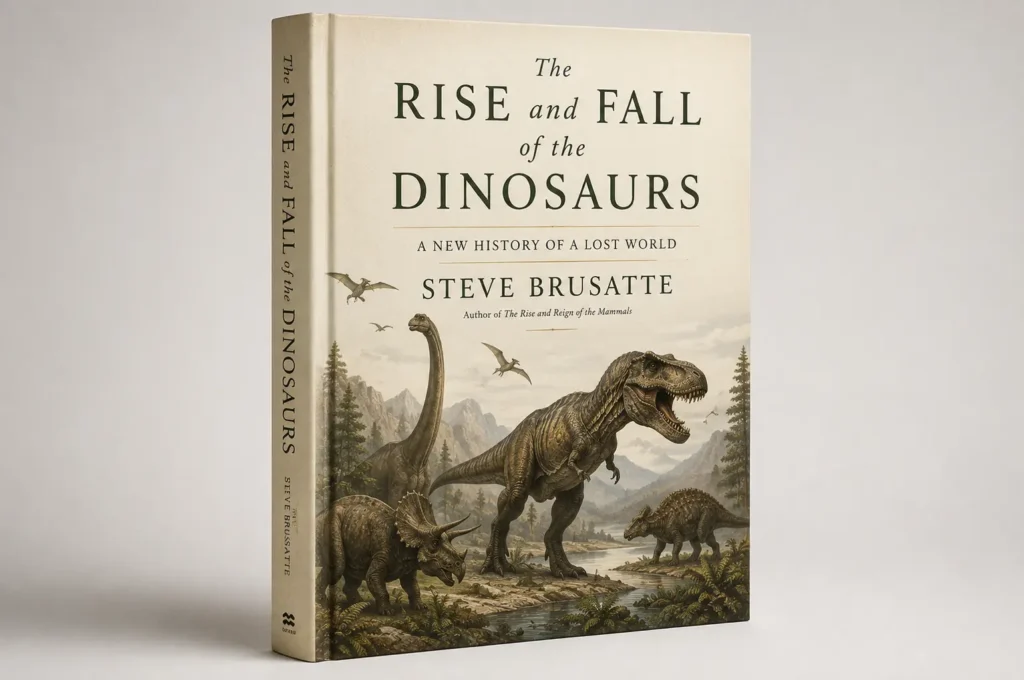
The Rise and Fall of the Dinosaurs
A compelling history of dinosaurs, tracing their origins, diversification, 200-million-year reign, extinction, and enduring legacy.
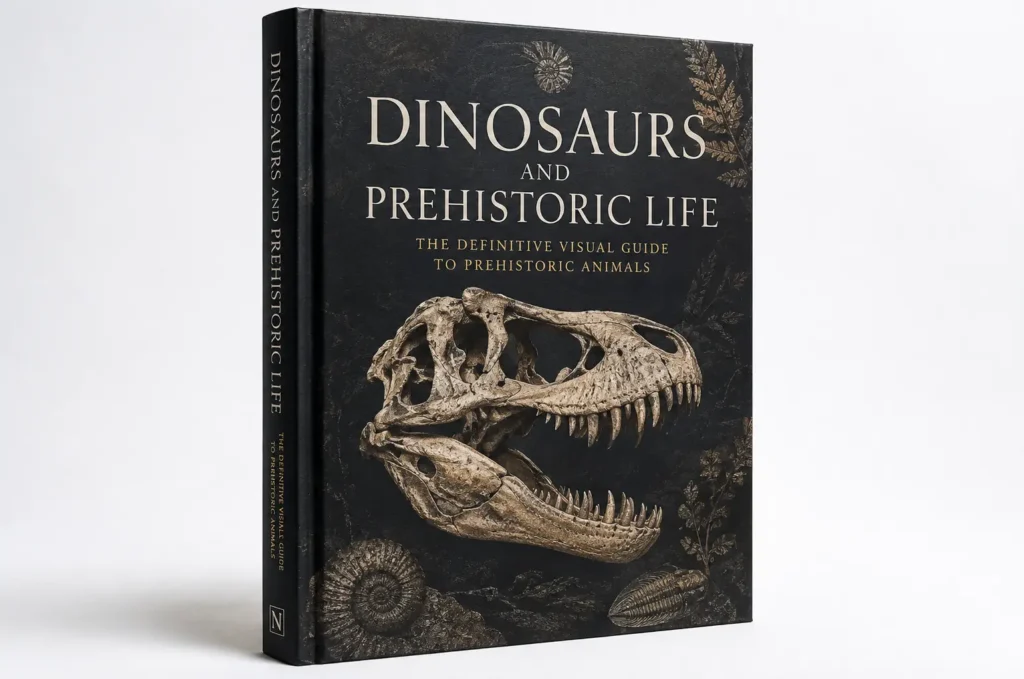
Dinosaurs and Prehistoric Life
A richly illustrated visual reference exploring dinosaurs, fossils, evolution, and prehistoric life across geological time.
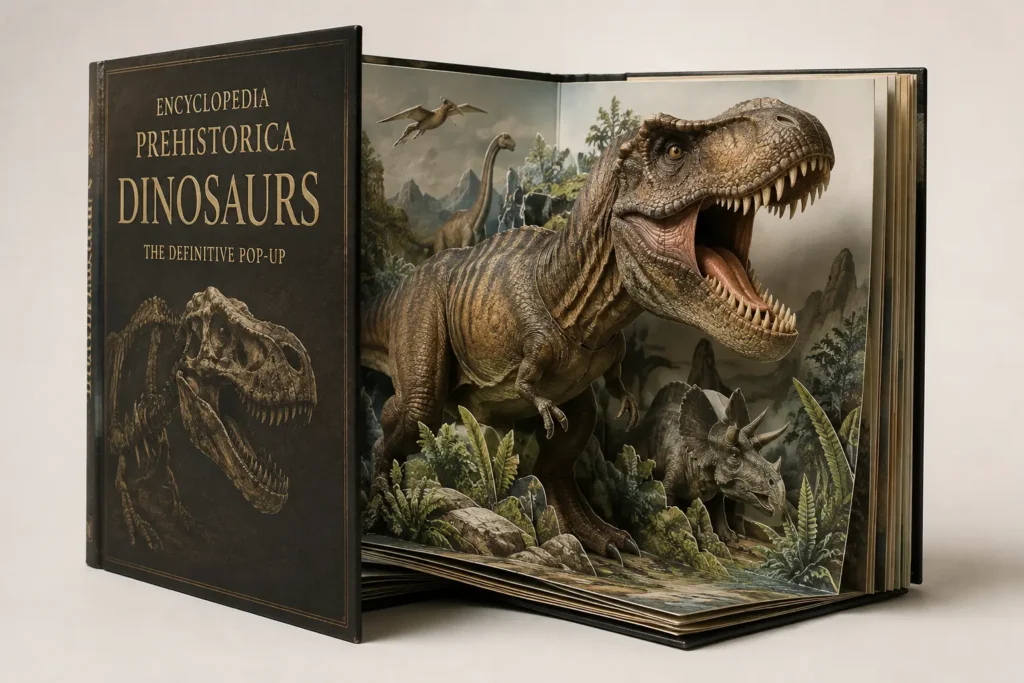
Encyclopedia Prehistorica: Dinosaurs
An interactive dinosaur book featuring spectacular three-dimensional pop-ups, particularly suited to young readers and families.
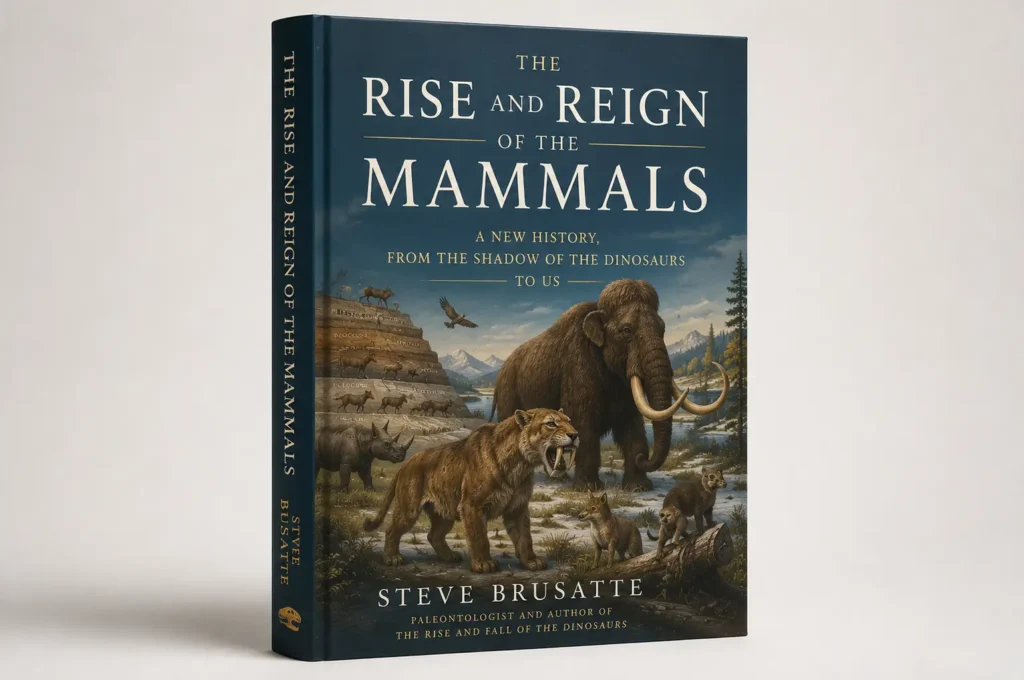
The Rise and Reign of the Mammals
A sweeping history of mammalian evolution, from their origins alongside dinosaurs through the Cenozoic and the emergence of humans.