

Quick Info
| Attribute | Detail |
|---|---|
| Scientific name | Ankylosaurus magniventris |
| Pronunciation | an-KY-loh-SORE-us mag-nih-VEN-triss |
| Name meaning | “Fused lizard”; species epithet means “large-bellied” |
| Classification | Ornithischia → Ankylosauria → Ankylosauridae → Ankylosaurus → A. magniventris |
| Period | Late Cretaceous (Maastrichtian), approximately 68–66 million years ago |
| Known from | Hell Creek Formation and Lance Formation, western North America |
| Diet | Herbivore; low-browsing vegetation |
| Length | Approximately 6–8 m (20–26 ft) |
| Mass | Approximately 4,000–8,000 kg (8,800–17,600 lb), depending on reconstruction |
| Status | Extinct |
Quick Answer
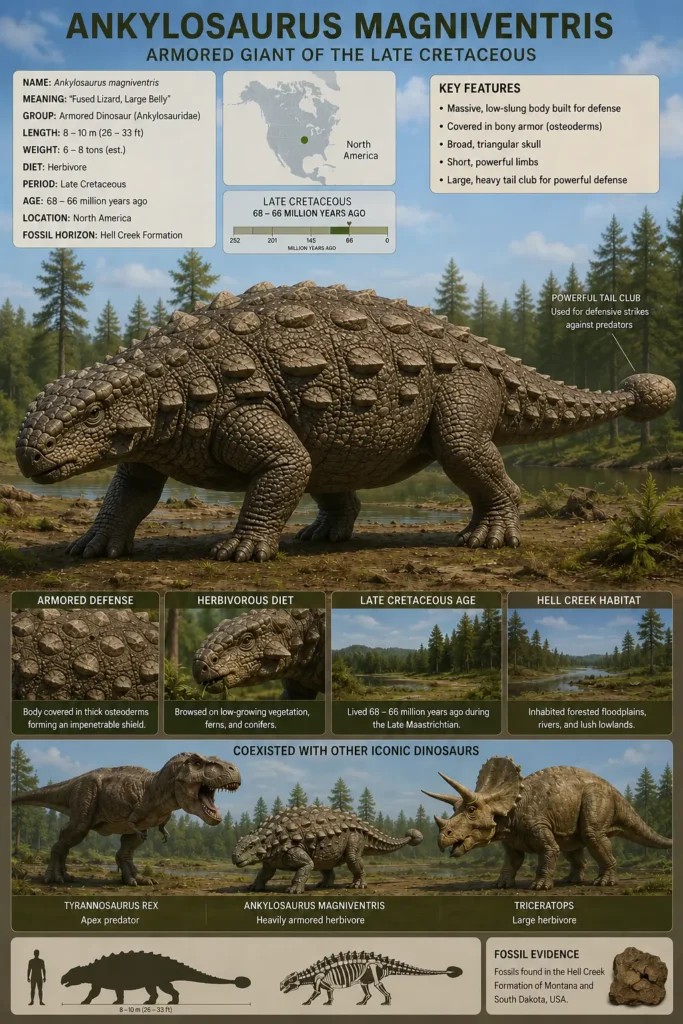
Ankylosaurus magniventris was one of the most heavily armoured dinosaurs of the Late Cretaceous and is widely recognised as one of the largest members of the ankylosaurid family. Living approximately 68–66 million years ago during the Maastrichtian Age, it inhabited the floodplains and forested lowlands of western North America shortly before the end-Cretaceous extinction event.
Its body was protected by extensive bony armour known as osteoderms, which were embedded within the skin and formed a protective shield across much of the back, neck, flanks, and skull. The dinosaur’s most distinctive feature was its powerful tail club, a specialised structure formed by enlarged osteoderms and reinforced tail vertebrae. Although direct evidence of its use is limited, biomechanical studies of ankylosaurid tail clubs suggest they could have delivered powerful defensive blows against predators or rivals.
Ankylosaurus lived alongside some of the most famous dinosaurs known from the fossil record, including Tyrannosaurus rex and Triceratops horridus. Its broad, low-slung body, robust limbs, and extensive armour represent one of the most specialised defensive body plans ever evolved among dinosaurs.
Despite its iconic status, Ankylosaurus is known from relatively incomplete fossil remains compared with many other famous dinosaur genera. As a result, some aspects of its appearance and biology are reconstructed using both direct fossil evidence and comparisons with closely related ankylosaurids. Nevertheless, available evidence provides a strong understanding of its anatomy, ecology, and role within the latest Cretaceous ecosystems of North America.
Today, Ankylosaurus remains one of the best-known armoured dinosaurs and serves as a classic example of evolutionary adaptation for defence during the final chapter of the Age of Dinosaurs.
How Big Was Ankylosaurus?
| Feature | Detail |
|---|---|
| Body length | Approximately 6–8 m (20–26 ft) |
| Hip height | Estimated around 1.5–1.8 m (4.9–5.9 ft), depending on reconstruction |
| Body mass | Approximately 4,000–8,000 kg (8,800–17,600 lb) |
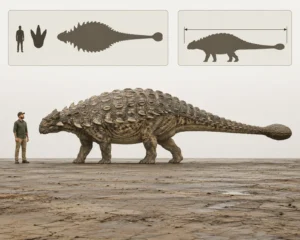
Ankylosaurus magniventris was among the largest known members of the ankylosaurid family and one of the heaviest armoured dinosaurs ever discovered. Most modern estimates place its length between 6 and 8 metres (20–26 feet), although exact dimensions vary because no complete skeleton has been found.
Its broad body, low stance, and extensive armour contributed to a substantial body mass that may have ranged from approximately 4,000 to 8,000 kilograms (8,800–17,600 pounds). Larger estimates place Ankylosaurus among the heaviest known ankylosaurids, though considerable uncertainty remains due to incomplete fossil material and differences in reconstruction methods.
The animal’s relatively low hip height, estimated at roughly 1.5–1.8 metres (4.9–5.9 feet), gave it a distinctive low-slung profile. Combined with its heavy armour and robust limbs, this body plan prioritised stability and defence rather than speed or agility.
Because fossil remains are fragmentary, body size estimates continue to be refined as new analytical techniques and comparisons with related ankylosaurs become available. Nevertheless, current evidence supports the view that Ankylosaurus was one of the largest and most heavily built armoured dinosaurs of the Late Cretaceous.
How Did Ankylosaurus Armour Work?
| Feature | Detail |
|---|---|
| Armour type | Osteoderms (bony dermal armour) embedded within thick skin |
| Tail weapon | Large tail club formed from fused osteoderms and modified tail vertebrae |
| Underside protection | Direct evidence limited; underbelly armour remains uncertain |
| Coverage | Extensive dorsal armour, flanks, neck region, and heavily armoured skull |
Ankylosaurus possessed one of the most advanced defensive body plans known among dinosaurs. Its armour consisted of numerous osteoderms—bony plates and nodules embedded within the skin—that formed a protective covering across much of the back, neck, flanks, and upper body. This armour likely helped reduce the effectiveness of attacks from large predators by shielding vital regions from bites and impacts.
The skull was particularly well protected, with extensive fusion between cranial bones and overlying dermal armour. This created a robust, reinforced head capable of withstanding significant mechanical stress. The combination of a heavily armoured skull and a low body profile made vulnerable areas difficult for predators to access.
The dinosaur’s most distinctive defensive feature was its tail club. This structure was formed by enlarged osteoderms at the tail tip, supported by stiffened vertebrae and specialised musculature. The reinforced tail acted as a powerful swinging weapon capable of delivering forceful impacts.
Biomechanical studies of ankylosaurid tail clubs suggest these structures could generate substantial impact forces and potentially inflict serious injuries on attackers. However, precise force estimates vary among studies and depend on assumptions regarding body mass, muscle size, and tail movement. While direct evidence of specific combat events remains rare, the anatomy strongly supports a defensive role.
Direct fossil evidence for armour beneath the body is limited, and the extent of underbelly protection remains uncertain. Most available evidence indicates that defensive adaptations were concentrated on the upper surfaces of the body, where attacks from large predators were most likely to occur.
Together, its extensive osteoderm armour, reinforced skull, and powerful tail club made Ankylosaurus one of the most heavily defended herbivorous dinosaurs known from the fossil record.
What Did Ankylosaurus Eat?
| Feature | Detail |
|---|---|
| Diet type | Herbivore |
| Likely food sources | Low-growing vegetation, including ferns, shrubs, cycads, conifers, and early flowering plants |
| Feeding height | Primarily ground level to roughly 1 m (3.3 ft) |
| Dentition | Small, leaf-shaped teeth adapted for cropping rather than intensive chewing |
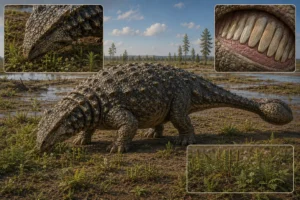
Ankylosaurus magniventris was a low-browsing herbivore adapted to feeding on vegetation close to the ground. Its broad, low skull, powerful neck, and low-slung body posture indicate a feeding strategy focused on readily accessible plant material rather than elevated browsing.
Although the exact diet cannot be determined directly from fossil evidence, palaeobotanical studies of the latest Cretaceous ecosystems represented by the Hell Creek and Lance formations reveal a diverse plant community that likely provided abundant food resources. Potential food sources included ferns, cycads, conifers, shrubs, and early flowering plants (angiosperms).
The teeth of Ankylosaurus were relatively small and leaf-shaped, making them well-suited for cropping vegetation. Unlike some herbivorous dinosaurs that evolved complex chewing mechanisms, ankylosaurids appear to have relied primarily on simple biting and cropping before further processing food within the digestive system.
Its feeding height was likely limited to vegetation growing from ground level to approximately 1 metre (3.3 feet) above the surface. This ecological niche allowed Ankylosaurus to exploit plant resources that were less accessible to larger high-browsing herbivores living in the same environments.
Despite uncertainties surrounding its exact diet, available anatomical and environmental evidence strongly supports the interpretation of Ankylosaurus as a specialised low-browsing herbivore within the Late Cretaceous ecosystems of western North America.
Ankylosaurus vs T. rex: Did They Meet?
| Feature | Detail |
|---|---|
| Temporal overlap | Yes — both lived during the latest Maastrichtian, approximately 68–66 million years ago |
| Geographic overlap | Yes — both are known from western North American Late Cretaceous deposits, including the Hell Creek Formation |
| Ankylosaurus defences | Heavy armour, powerful tail club, and low body profile |
| T. rex predatory traits | Extremely powerful bite, large body size, and apex predatory role |
| Encounter outcome | Unknown; no direct fossil evidence documents confirmed interactions |
Fossil evidence indicates that Ankylosaurus magniventris and Tyrannosaurus rex inhabited the same general ecosystems of western North America during the final two million years of the Cretaceous Period. Both species are known from formations such as the Hell Creek Formation, making encounters between them entirely plausible.
Despite their frequent portrayal together in documentaries, books, and popular media, no confirmed fossil evidence currently demonstrates direct combat, predation, or other interactions between Ankylosaurus and T. rex. As a result, any reconstruction of encounters between the two animals remains inferential.
Nevertheless, Ankylosaurus possessed one of the most formidable defensive body plans among dinosaurs. Its extensive osteoderm armour protected much of the upper body, while its reinforced skull and low profile reduced vulnerable target areas. Most notably, its tail club could potentially deliver powerful blows capable of injuring an attacker.
In contrast, T. rex was among the largest terrestrial predators ever to exist, possessing exceptional bite force, robust skull architecture, and powerful sensory adaptations. These characteristics made it the apex predator of its ecosystem and a potential threat to even heavily defended herbivores.
Whether an adult T. rex could consistently overcome a healthy adult Ankylosaurus remains uncertain. While the predator possessed tremendous offensive capabilities, the defensive adaptations of Ankylosaurus suggest it was exceptionally well equipped to deter attacks and survive in a landscape inhabited by large carnivores.
Current evidence therefore supports the conclusion that the two species almost certainly coexisted and may have encountered one another, but any specific predator–prey scenarios remain hypothetical due to the absence of direct fossil documentation.
Ankylosaurus Skull
| Feature | Detail |
|---|---|
| Skull length | Approximately 64.5 cm (25.4 in) in the largest known specimens |
| Shape | Broad, low, and triangular in dorsal view |
| Cranial armour | Extensive fused dermal armour across the skull roof |
| Nasal anatomy | Complex internal passages with uncertain function |
| Bite force | No widely accepted consensus estimate |
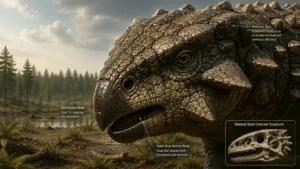
The skull of Ankylosaurus magniventris was one of the most heavily reinforced skulls known among non-avian dinosaurs. Broad, low, and triangular when viewed from above, it was protected by extensive cranial armour formed through the fusion of skull bones and overlying dermal osteoderms. This reinforced structure likely provided significant protection against impacts and predator attacks.
Unlike the elongated skulls of many herbivorous dinosaurs, the skull of Ankylosaurus was compact and robust, reflecting its specialised defensive lifestyle. The eye sockets, nasal region, and upper skull surface were surrounded by thick bony armour, creating a highly protected head capable of withstanding considerable mechanical stress.
One of the most intriguing aspects of ankylosaur anatomy is the complex network of internal nasal passages. These winding airways have attracted considerable scientific interest because their precise function remains uncertain. Proposed explanations include thermoregulation, moisture retention, respiratory conditioning, and enhancement of sensory capabilities. Comparisons with related ankylosaurs suggest that these structures may have served multiple biological functions rather than a single specialised role.
The dentition consisted of relatively small, leaf-shaped teeth adapted for cropping vegetation. Although the skull was robust, it was not designed for powerful chewing in the same manner as some other herbivorous dinosaur groups. Instead, feeding likely involved gathering plant material that was subsequently processed within the digestive system.
Because fossil material remains incomplete and biomechanical modelling approaches vary, no widely accepted bite-force estimate currently exists for Ankylosaurus. As a result, most interpretations of feeding mechanics rely on anatomical comparisons with related ankylosaurids rather than direct measurement.
Overall, the skull of Ankylosaurus reflects a combination of feeding adaptations and extraordinary defensive specialisation, making it one of the most distinctive dinosaur skulls known from the fossil record.
Ankylosaurus Discovery
| Feature | Detail |
|---|---|
| First described | Barnum Brown, 1908 |
| Type specimen | AMNH 5895 |
| Type locality | Hell Creek Formation, Montana, USA |
| Known material | Fragmentary remains from a limited number of specimens |
| Complete skeletons | None currently known |
Ankylosaurus magniventris was formally described in 1908 by the American palaeontologist Barnum Brown, one of the most influential dinosaur researchers of the early twentieth century. The genus name means “fused lizard,” referring to the extensive fusion and reinforcement present throughout the animal’s skeleton and armour.
The type specimen, designated AMNH 5895, was discovered within the Hell Creek Formation of Montana, a rock unit famous for preserving some of the last non-avian dinosaurs before the end-Cretaceous extinction event. Additional specimens have since been recovered from comparable Late Cretaceous deposits in western North America.
Despite its iconic status in popular culture and palaeontology, Ankylosaurus is known from relatively incomplete fossil remains. No complete articulated skeleton has yet been discovered, and much of the animal’s appearance has been reconstructed using a combination of direct fossil evidence and comparisons with better-preserved ankylosaurid relatives such as Euoplocephalus.
The available material includes portions of the skull, vertebrae, ribs, limb elements, armour, and other skeletal remains. Although fragmentary, these fossils provide sufficient evidence to identify key anatomical characteristics, including the distinctive armoured skull, extensive osteoderm covering, and specialised tail club.
Continued discoveries and advances in imaging, biomechanics, and comparative anatomy continue to refine scientific understanding of Ankylosaurus, making it one of the most extensively studied armoured dinosaurs despite its incomplete fossil record.
Ankylosaurus Habitat
| Feature | Detail |
|---|---|
| Primary formations | Hell Creek Formation and Lance Formation, western North America |
| Environment | Coastal plains, river floodplains, forested lowlands, and seasonally variable terrestrial ecosystems |
| Likely vegetation | Ferns, conifers, cycads, and early flowering plants |
| Coexisting fauna | Tyrannosaurus rex, Triceratops horridus, Edmontosaurus annectens, Pachycephalosaurus wyomingensis, and other Late Cretaceous taxa |
Ankylosaurus magniventris inhabited the terrestrial ecosystems of western North America during the latest stage of the Cretaceous Period, approximately 68–66 million years ago. Fossils are primarily known from the Hell Creek Formation and the Lance Formation, two of the most important sources of information about the final dinosaur communities before the end-Cretaceous extinction event.
These environments consisted of broad river floodplains, forested lowlands, coastal plains, and seasonally dynamic landscapes influenced by nearby waterways and the retreating Western Interior Seaway. The region supported a rich diversity of plants and animals, creating productive ecosystems capable of sustaining large herbivorous dinosaurs.
Palaeobotanical evidence indicates that vegetation included ferns, conifers, cycads, shrubs, and early flowering plants. As a specialised low-browsing herbivore, Ankylosaurus was well adapted to feeding on vegetation growing close to the ground, occupying a different ecological niche from larger high-browsing herbivores.
The habitat was shared with some of the most famous dinosaurs known from the fossil record, including Tyrannosaurus rex, Triceratops horridus, Edmontosaurus annectens, and Pachycephalosaurus wyomingensis. Together, these species formed one of the best-documented dinosaur ecosystems in Earth’s history.
Although broad environmental conditions are reasonably well understood, details of local habitat variation, climate seasonality, and ecosystem structure remain active areas of scientific research. Current evidence nevertheless indicates that Ankylosaurus occupied diverse lowland environments rich in vegetation and capable of supporting large populations of herbivorous dinosaurs.
How Fast Was Ankylosaurus?
| Feature | Detail |
|---|---|
| Locomotion type | Heavy-bodied quadrupedal locomotion |
| Speed estimate | Likely slow-moving; exact estimates vary among biomechanical models |
| Limb posture | Robust quadrupedal stance with columnar support adaptations |
| Trackway evidence | No trackways confidently attributable to Ankylosaurus specifically |
Ankylosaurus magniventris was not built for speed. Its broad body, heavy armour, reinforced skeleton, and massive tail club indicate a locomotor strategy focused on stability, endurance, and defence rather than rapid movement. Like other ankylosaurids, it moved on all four limbs and maintained a low centre of gravity that enhanced balance and resistance to attack.
The limbs were short, powerful, and strongly built, supporting a body that may have weighed between 4 and 8 tonnes. This robust construction allowed Ankylosaurus to carry extensive armour while moving efficiently through its environment, but it would have limited acceleration and top speed compared with more lightly built dinosaurs.
Because no complete skeleton is known and no trackways can be confidently assigned to Ankylosaurus, precise speed estimates remain uncertain. Biomechanical models based on body proportions and comparisons with related ankylosaurs generally suggest a slow-moving animal capable of steady walking rather than rapid running.
Unlike cursorial predators such as Tyrannosaurus rex, Ankylosaurus relied primarily on passive defence. Its armour, low body profile, and powerful tail club reduced the need for escape through speed, allowing it to withstand threats rather than outrun them.
Although exact movement capabilities remain the subject of scientific investigation, current evidence strongly supports the interpretation of Ankylosaurus as a slow but well-defended herbivore adapted for stability and protection within Late Cretaceous ecosystems.
When Did Ankylosaurus Live?
| Feature | Detail |
|---|---|
| Geological stage | Maastrichtian, Late Cretaceous |
| Temporal range | Approximately 68–66 million years ago |
| Time since extinction | Approximately 66 million years |
| Separation from Stegosaurus | Roughly 80 million years |
| End of range | End-Cretaceous (K–Pg) extinction event |
Ankylosaurus magniventris lived during the Maastrichtian Age, the final stage of the Late Cretaceous Period, approximately 68–66 million years ago. This places it among the last known non-avian dinosaurs to exist before the end-Cretaceous mass extinction event that dramatically reshaped life on Earth.
Fossils of Ankylosaurus have been recovered from rock formations such as the Hell Creek Formation and Lance Formation, which preserve some of the youngest dinosaur-bearing ecosystems known. Radiometric dating and stratigraphic analyses of these formations help constrain the age of Ankylosaurus to the final two million years of the dinosaur era.
During this time, Ankylosaurus shared its environment with a diverse range of dinosaurs, including Tyrannosaurus rex, Triceratops horridus, and Edmontosaurus annectens. These species formed part of the rich terrestrial ecosystems that flourished shortly before the end-Cretaceous extinction.
One common misconception is that Ankylosaurus lived alongside Stegosaurus. In reality, the two dinosaurs were separated by approximately 80 million years. Stegosaurus lived during the Late Jurassic, around 155–150 million years ago, long before Ankylosaurus appeared in the fossil record.
The history of Ankylosaurus came to an end approximately 66 million years ago during the Cretaceous–Paleogene extinction event. This extinction event eliminated all non-avian dinosaurs and marked the close of the Mesozoic Era.
How Do You Pronounce Ankylosaurus?
| Feature | Detail |
|---|---|
| Pronunciation | an-KY-loh-SORE-us |
| Stress pattern | Primary stress on the second syllable |
| Greek roots | ankylos (“fused” or “bent”) + sauros (“lizard”) |
| Species epithet | magniventris (“large-bellied”) |
| Named by | Barnum Brown, 1908 |
The correct pronunciation of Ankylosaurus is:
an-KY-loh-SORE-us
The primary stress falls on the second syllable (“KY”), while the final portion is pronounced “SORE-us.” The full scientific name, Ankylosaurus magniventris, is commonly pronounced:
an-KY-loh-SORE-us mag-nih-VEN-triss
The genus name derives from the Greek words ankylos, meaning “fused” or “bent,” and sauros, meaning “lizard.” Together, the name refers to the fused and reinforced anatomy that characterises this heavily armoured dinosaur. The species name magniventris is derived from Latin and means “large-bellied,” referencing the animal’s broad and robust body shape.
The name was formally introduced in 1908 by palaeontologist Barnum Brown, who first described the genus based on fossil material recovered from the latest Cretaceous rocks of western North America.
Today, Ankylosaurus remains one of the most recognisable dinosaur names in both scientific literature and popular culture, reflecting the enduring fascination with its unique armour, powerful tail club, and distinctive appearance.
Ankylosaurus: The Full Picture — Key Facts
| Topic | Key Fact |
|---|---|
| Extinction | Ankylosaurus disappeared during the end-Cretaceous (K–Pg) extinction event approximately 66 million years ago |
| Extinction drivers | The Chicxulub asteroid impact is the primary accepted cause; additional environmental stresses, including Deccan volcanism, remain active areas of research |
| Related armoured dinosaurs | Nodosaurids such as Nodosaurus and Edmontonia were related armoured herbivores, although they belonged to a different family and lacked the characteristic tail club of ankylosaurids |
| Cultural significance | One of the most recognisable and frequently depicted armoured dinosaurs in popular culture |
Ankylosaurus magniventris was among the last known ankylosaurids and one of the most specialised defensive herbivores ever to evolve. Its combination of extensive body armour, a reinforced skull, powerful tail club, and low-slung body plan created a defensive strategy unlike that of any other dinosaur group.
Living during the final two million years of the Cretaceous Period, Ankylosaurus inhabited western North America alongside some of the most iconic dinosaurs known, including Tyrannosaurus rex and Triceratops horridus. Rather than relying on speed or aggressive weaponry, it evolved a suite of defensive adaptations that allowed it to withstand threats from large predators within its ecosystem.
Although the fossil record remains incomplete, scientific research has established Ankylosaurus as one of the largest and most heavily armoured members of the family Ankylosauridae. Its anatomy provides important insights into dinosaur defence, herbivore evolution, and the ecological dynamics of Late Cretaceous environments.
The history of Ankylosaurus ended approximately 66 million years ago during the Cretaceous–Paleogene extinction event, which eliminated all non-avian dinosaurs and marked the end of the Mesozoic Era. Today, it remains one of the most recognisable dinosaur genera and a symbol of evolutionary adaptation through armour and defence.
Related and Contemporary Species
Euoplocephalus tutus
A closely related ankylosaurid from Late Cretaceous North America, Euoplocephalus, is represented by more complete fossil material than Ankylosaurus. As a result, it is frequently used by palaeontologists when reconstructing ankylosaur anatomy, armour arrangement, and locomotion.
Nodosaurus textilis
A member of the sister family Nodosauridae, Nodosaurus possessed extensive body armour but lacked the distinctive tail club that characterises ankylosaurids. It represents an alternative evolutionary approach to defence among armoured dinosaurs.
Edmontonia rugosidens
Another nodosaurid from North America, Edmontonia, is notable for its prominent shoulder spines and heavily armoured body. Its defensive adaptations differed significantly from those of ankylosaurids despite serving similar protective functions.
Tyrannosaurus rex
The apex predator of the latest Cretaceous ecosystems of North America. Because T. rex and Ankylosaurus lived during the same time and in similar environments, the two species are often discussed in hypothetical predator–prey scenarios.
Triceratops horridus
One of the most abundant large herbivores of the Late Cretaceous. Unlike Ankylosaurus, which relied primarily on armour and passive defence, Triceratops evolved large horns and a massive bony frill as its principal defensive structures.
Common Questions About Ankylosaurus
Could Ankylosaurus’s tail club break a T. rex leg?
Biomechanical studies of ankylosaurid tail clubs indicate that these structures were capable of generating substantial impact forces and may have been powerful enough to inflict severe injuries on large predators. Some researchers have suggested that a well-placed strike could potentially fracture bones or damage joints.
However, no direct fossil evidence currently demonstrates an Ankylosaurus tail strike breaking the leg of a Tyrannosaurus rex. As a result, this scenario remains a plausible biomechanical hypothesis rather than a confirmed palaeontological observation.
Current evidence strongly supports a defensive function for the tail club, but the exact effectiveness of individual strikes against large predators remains uncertain.
How many Ankylosaurus fossils have been found?
Ankylosaurus is known from a relatively limited number of fossil specimens compared with many other famous dinosaur genera. The exact number varies depending on taxonomic interpretation and specimen referral, but the fossil record remains comparatively sparse.
No complete articulated skeleton has yet been discovered. The most well-known material consists of partial skulls, armour elements, vertebrae, ribs, and other fragmentary skeletal remains. Consequently, many aspects of Ankylosaurus anatomy have been reconstructed using both direct fossil evidence and comparisons with more completely preserved ankylosaur relatives.
Despite the limited fossil record, available specimens provide sufficient evidence to establish the distinctive characteristics of the genus.
Was Ankylosaurus the largest ankylosaur?
Ankylosaurus is generally regarded as one of the largest known ankylosaurids and is frequently cited as the largest member of the group. Estimated body lengths typically range from 6–8 metres (20–26 feet), with body mass estimates reaching approximately 8 tonnes in some reconstructions.
However, exact size rankings remain uncertain because many large ankylosaur specimens are incomplete, and different studies use varying reconstruction methods. For this reason, palaeontologists often describe Ankylosaurus as the largest or among the largest known ankylosaurids rather than assigning it an undisputed first-place ranking.
Did Ankylosaurus live at the same time as Stegosaurus?
No. Ankylosaurus and Stegosaurus were separated by approximately 80 million years and never coexisted.
Stegosaurus lived during the Late Jurassic, roughly 155–150 million years ago, whereas Ankylosaurus lived much later during the Late Cretaceous, approximately 68–66 million years ago.
Although both dinosaurs evolved defensive body armour, they belonged to different groups and were separated by a vast span of geological time. Their frequent appearance together in popular media has contributed to a common misconception that they lived side by side.
Did Ankylosaurus have any natural predators?
Adult Ankylosaurus was likely among the most difficult herbivores in its ecosystem for predators to attack successfully. Its extensive armour, reinforced skull, low body profile, and powerful tail club provided formidable protection.
The most likely predator capable of challenging an adult Ankylosaurus was Tyrannosaurus rex, which shared the same ecosystems in western North America. However, no direct fossil evidence currently confirms predation of Ankylosaurus by T. rex.
While juveniles may have been more vulnerable, fully grown adults were probably among the best-defended dinosaurs of the Late Cretaceous.
What caused the extinction of Ankylosaurus?
Ankylosaurus became extinct approximately 66 million years ago during the Cretaceous–Paleogene extinction event.
The primary cause is widely accepted to have been the impact of a large asteroid near present-day Mexico, which triggered global environmental changes including wildfires, atmospheric dust loading, reduced sunlight, and disruption of food chains. Additional factors, such as extensive volcanic activity associated with the Deccan Traps, may also have contributed to environmental stress during this period.
Like all non-avian dinosaurs, Ankylosaurus disappeared during this mass extinction event.
Research Note
Scientific understanding of Ankylosaurus continues to evolve as discoveries and analytical techniques become available. Areas of active research include taxonomy, specimen referral, body mass estimation, tail-club biomechanics, palaeoecology, growth patterns, and the environmental conditions surrounding the end-Cretaceous extinction. Future discoveries may refine some interpretations presented here while preserving the overall picture of Ankylosaurus as one of the most heavily defended herbivorous dinosaurs known from the fossil record.
References
Primary Taxonomic and Systematic Sources
Brown B. 1908. The Ankylosauridae, a new family of armored dinosaurs from the Upper Cretaceous. Bulletin of the American Museum of Natural History. 24: 187–201.
Arbour VM, Currie PJ. 2013. Euoplocephalus tutus and the diversity of ankylosaurid dinosaurs in the Late Cretaceous of Alberta, Canada, and Montana, USA. PLOS ONE. 8(5): e62421. DOI: 10.1371/journal.pone.0062421
Peer-Reviewed Scientific Literature
Arbour VM, Burns ME, Sissons RL. 2009. A redescription of the ankylosaurid dinosaur Dyoplosaurus acutosquameus Parks, 1924 (Ornithischia: Ankylosauria) and a revision of the genus. Journal of Vertebrate Paleontology. 29(4): 1117–1135. DOI: 10.1671/039.029.0405
Carpenter, K. 2001. Phylogenetic analysis of the Ankylosauria. In: Carpenter K (ed.), The Armored Dinosaurs. Bloomington: Indiana University Press. pp. 455–483.
Mallon JC, Anderson JS. 2013. Skull ecomorphology of megaherbivorous dinosaurs from the Dinosaur Park Formation (Upper Campanian) of Alberta, Canada. PLOS ONE. 8(7): e72642. DOI: 10.1371/journal.pone.0072642
Sellers WI, Hepworth-Bell J, Falkingham PL, Bates KT, Brassey C, Egerton VM, Manning PL. 2013. Minimum convex hull mass estimations of complete mounted skeletons. PLOS ONE. 8(3): e57711. DOI: 10.1371/journal.pone.0057711
Books and Technical Works
Fastovsky DE, Weishampel DB. 2012. Dinosaurs: A Concise Natural History. 2nd Edition. Cambridge: Cambridge University Press.
Paul GS. 2010. The Princeton Field Guide to Dinosaurs. Princeton: Princeton University Press.
D. Databases and Online Resources
Paleobiology Database. 2026. Ankylosaurus magniventris occurrence records. Available at: https://paleobiodb.org (accessed 20 May 2026).
🦷 Anatomy


🦴 Fossil History


Recommended Paleontology & Natural History Books
As an Amazon Associate, Extinct Atlas may earn from qualifying purchases.
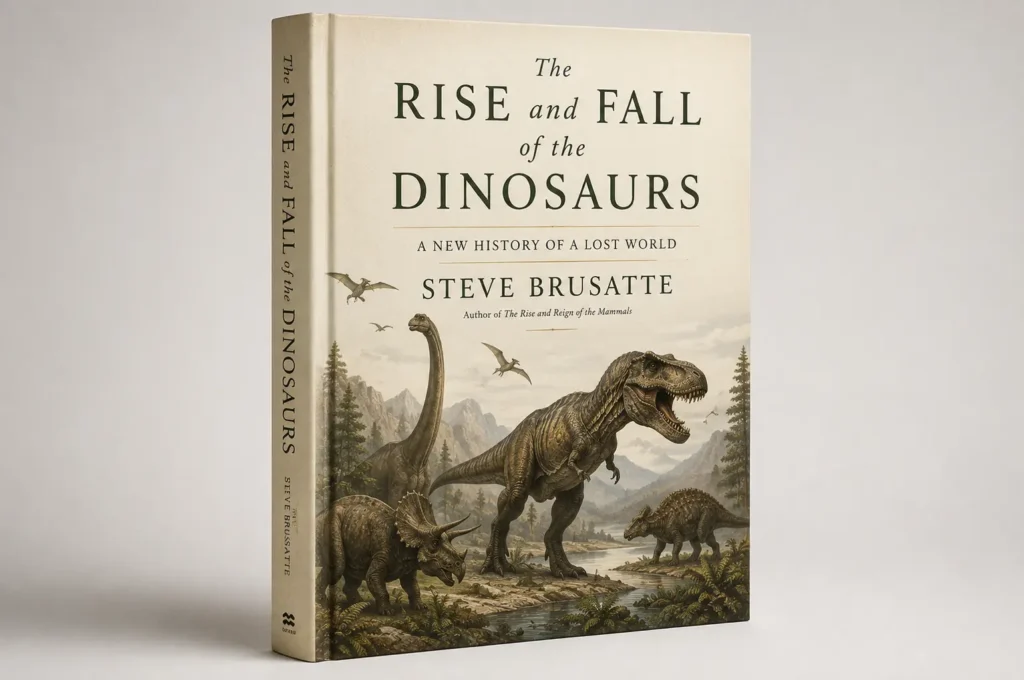
The Rise and Fall of the Dinosaurs
A compelling history of dinosaurs, tracing their origins, diversification, 200-million-year reign, extinction, and enduring legacy.
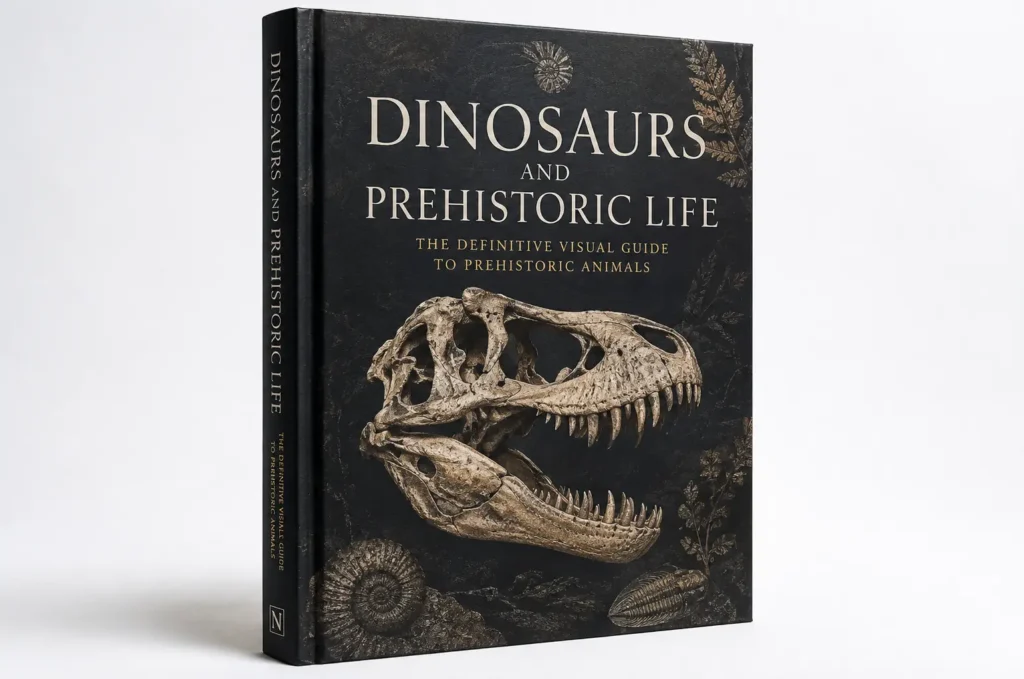
Dinosaurs and Prehistoric Life
A richly illustrated visual reference exploring dinosaurs, fossils, evolution, and prehistoric life across geological time.
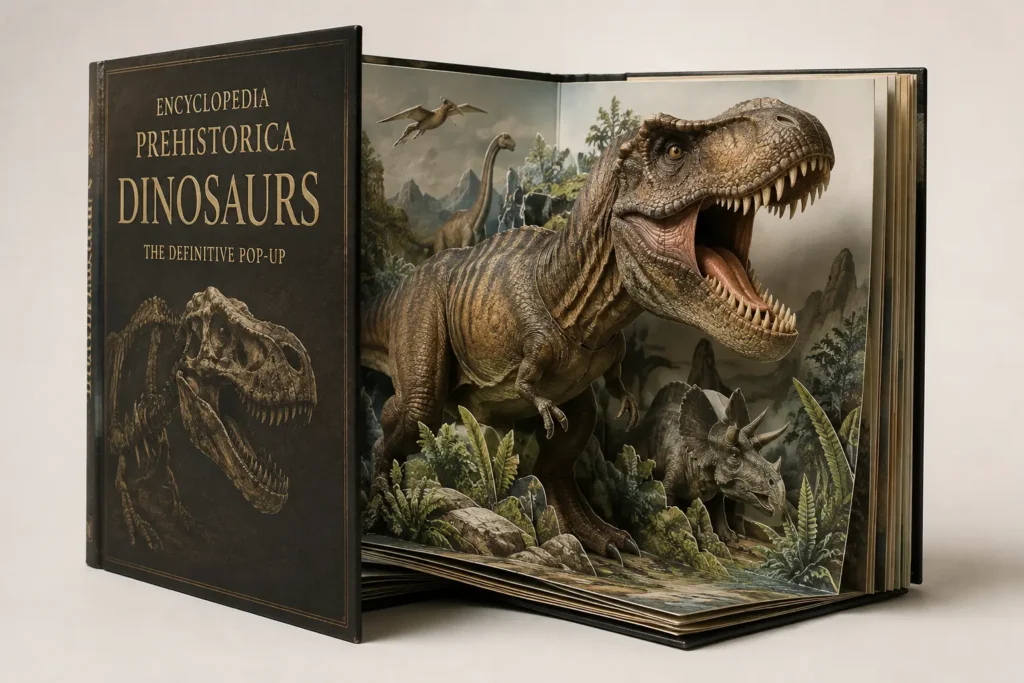
Encyclopedia Prehistorica: Dinosaurs
An interactive dinosaur book featuring spectacular three-dimensional pop-ups, particularly suited to young readers and families.
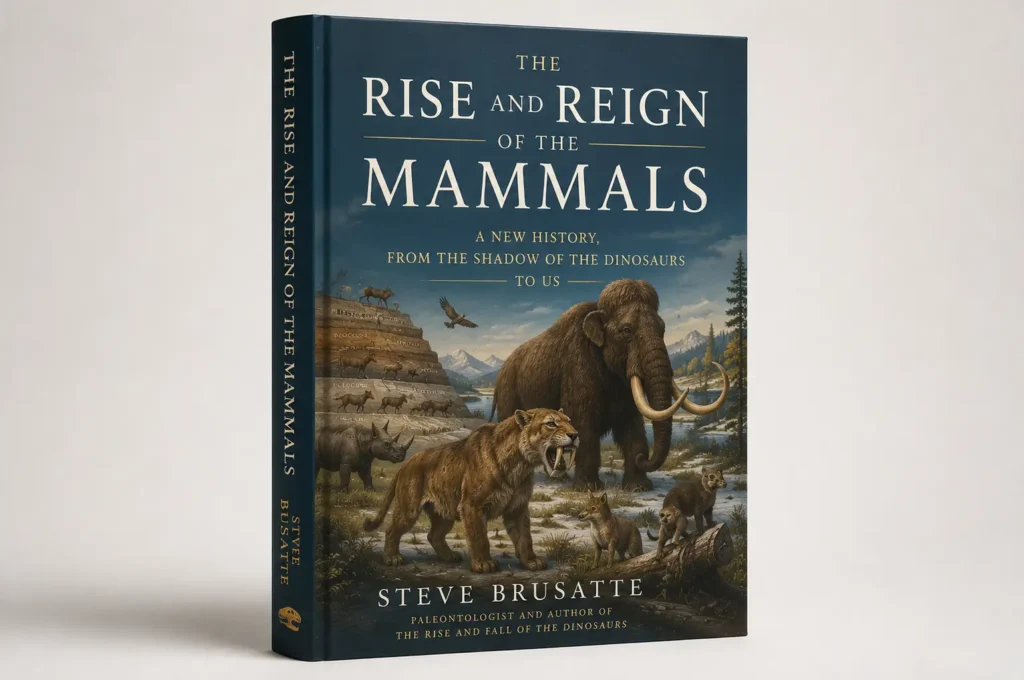
The Rise and Reign of the Mammals
A sweeping history of mammalian evolution, from their origins alongside dinosaurs through the Cenozoic and the emergence of humans.