

| Field | Information |
|---|---|
| Species | Ankylosaurus magniventris — Ornithischia, Ankylosauridae |
| Period | Late Cretaceous, approximately 68–66 Ma |
| Skull length | Approximately 60–65 cm (24–26 in), depending on specimen and reconstruction |
| Teeth | Small, leaf-shaped, serrated teeth arranged in single tooth rows |
| Beak | Broad keratinous rhamphotheca at the front of the jaws |
Quick Answer
The skull of Ankylosaurus was broad, low, and heavily reinforced, with extensive dermal cranial ornamentation fused to the outer surface of the skull. Its jaws carried small, leaf-shaped teeth adapted for cropping and limited oral processing of plant material rather than the highly specialised grinding seen in hadrosaurs or the more forceful shearing associated with ceratopsids. A broad keratinous beak at the front of the snout likely played an important role in gathering vegetation.

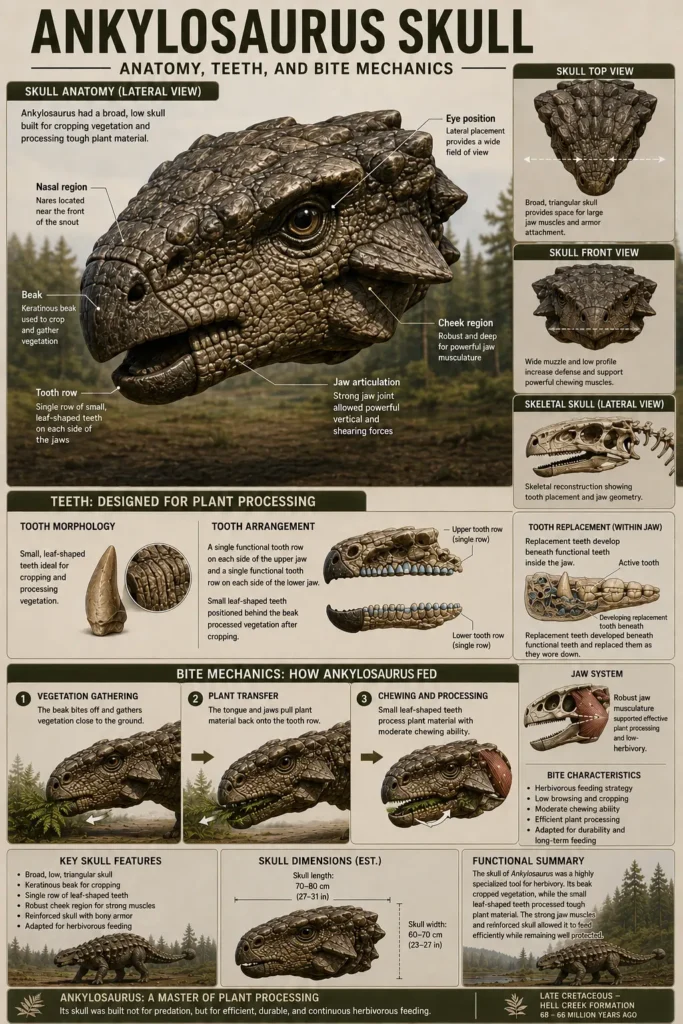
Ankylosaurus Skull: Shape, Structure, and Key Features
The skull of Ankylosaurus was broad and low in profile, with a robust construction characteristic of derived ankylosaurids. In dorsal view, the skull outline appears broadly triangular to subtriangular depending on reconstruction. Fossil evidence shows the cranial surface was covered by fused dermal ossifications known as caputegulae, giving the skull a heavily textured and reinforced external surface distinct from the smoother cranial anatomy seen in many other dinosaur groups.
This cranial armour extended across much of the dorsal and lateral skull surfaces, contributing to both structural reinforcement and the distinctive appearance of the animal. Prominent squamosal projections extended from the posterior skull region, forming characteristic horn-like cranial ornamentation.
The skull was proportionally broad at the snout, consistent with a wide feeding apparatus suited to low browsing. The orbits were positioned laterally, providing broad visual coverage appropriate for a large herbivorous animal, although precise visual field reconstruction remains uncertain. The nasal passages were relatively complex, and their functional significance has been interpreted in relation to airflow regulation and other physiological roles, though exact functions remain incompletely resolved.
Cranial Sinuses and Internal Structure
The internal anatomy of the Ankylosaurus skull included a complex system of nasal passages and associated air spaces characteristic of ankylosaurids. The precise functional significance of these structures remains incompletely resolved. Comparative anatomical studies of ankylosaurs and other archosaurs have suggested possible roles in airflow conditioning, thermoregulatory exchange, and olfactory function, although the relative importance of these interpretations remains uncertain and may have varied among taxa.
Ankylosaurus Teeth: Form and Function
The teeth of Ankylosaurus were small, leaf-shaped, and serrated, consistent with herbivorous feeding adaptations seen in many ornithischian dinosaurs. Multiple tooth positions were present along both the upper and lower jaws, with continuous tooth replacement throughout life, as expected in non-mammalian reptiles.
Unlike the complex dental batteries of hadrosaurs, Ankylosaurus teeth functioned as individually replaceable units rather than as part of a highly integrated grinding surface. Their morphology is consistent with cropping and limited oral breakdown of plant material rather than extensive mechanical processing.
Although tooth form provides important dietary evidence, exact dietary composition cannot be inferred from dentition alone. Compared with herbivorous dinosaurs possessing highly specialised chewing adaptations, Ankylosaurus appears to have relied less on intensive oral processing and more on downstream digestive breakdown, likely including microbial fermentation as a functional biological inference.
Tooth Replacement and Wear
Ankylosaur teeth, including material attributed to Ankylosaurus, show evidence of continuous replacement throughout life. Wear facets on preserved teeth indicate functional occlusal contact between the upper and lower dentition during feeding. Available evidence suggests relatively simple jaw mechanics compared with more specialised herbivorous dinosaurs, with oral processing likely dominated by vertical or near-vertical jaw action rather than extensive multidirectional grinding.
This interpretation is consistent with a feeding strategy focused on cropping and coarse oral processing rather than intensive mechanical reduction of particularly resistant plant tissues before swallowing.
Jaw Mechanics and Bite Function
The jaw mechanics of Ankylosaurus appear comparatively simple relative to highly specialised herbivorous dinosaurs such as hadrosaurs and ceratopsids. Its feeding apparatus was adapted primarily for cropping and limited oral processing rather than intensive grinding or powerful shearing. Biomechanical interpretations generally suggest a bite function suited to plant feeding, although precise bite force estimates remain model-dependent because muscle reconstructions, lever mechanics, and soft-tissue assumptions cannot be measured directly.
The lower jaw of Ankylosaurus was relatively deep and robust, likely reflecting structural support for feeding mechanics and the anterior beak apparatus rather than indicating exceptionally powerful bite performance. A broad keratinous rhamphotheca covering the front of the jaws would have served as the primary structure for gathering and cropping vegetation.
Biomechanical interpretation suggests this feeding apparatus was well-suited to efficient low-level bulk browsing. Compared with herbivores possessing highly specialised chewing systems, Ankylosaurus appears to have relied less on intensive oral breakdown and more on subsequent digestive processing.
How Does the Ankylosaurus Skull Compare to Other Ankylosaurs?
The skull of Ankylosaurus shares the general architectural features of derived ankylosaurids, including extensive cranial ornamentation, broad skull proportions, and reinforced dermal ossification across the skull surface. However, species-level comparisons remain partly constrained by incomplete preservation.
Comparison with Euoplocephalus tutus, one of the best-documented ankylosaurids, shows broad similarities in overall cranial organisation while also highlighting differences in skull proportions and ornamentation patterns. Ankylosaurus is generally interpreted as possessing an especially broad and robust skull morphology among ankylosaurids.
Across Ankylosauria more broadly, skull morphology varies considerably, and some of this variation has been interpreted as reflecting ecological differentiation in feeding strategy. However, detailed species-level dietary partitioning within the group remains an active area of research rather than a fully resolved conclusion.
Related and Contemporary Species
- Euoplocephalus tutus — a well-documented ankylosaurid that provides an important comparative framework for interpreting ankylosaur cranial anatomy.
- Anodontosaurus lambei — a closely related ankylosaurid relevant to understanding variation in cranial ornamentation and skull proportions within the group.
- Edmontonia rugosidens — a nodosaurid armoured dinosaur with distinct cranial morphology that illustrates broader diversity within Thyreophora.
- Triceratops horridus — a large contemporary ceratopsid whose highly specialised skull anatomy demonstrates alternative herbivorous cranial adaptations in Late Cretaceous ecosystems.
Frequently Asked Questions
How big was the Ankylosaurus skull?
The skull of Ankylosaurus is generally estimated at approximately 60–65 cm (24–26 in) in length, depending on specimen completeness and reconstruction methodology. It was notably broad and low in profile relative to its length, consistent with the characteristic cranial proportions of derived ankylosaurids. Extensive fused dermal cranial ornamentation contributed to its heavily reinforced external structure.
Did Ankylosaurus have a strong bite?
Biomechanical interpretations suggest that Ankylosaurus possessed a functional but not exceptionally specialised bite compared with herbivorous dinosaurs adapted for intensive oral processing. Its feeding system appears better suited to cropping vegetation and limited mechanical breakdown than to powerful grinding or forceful shearing. Precise bite force estimates remain uncertain because soft-tissue reconstruction assumptions vary across biomechanical models.
What were the horns on the Ankylosaurus skull for?
The posterior horn-like projections of the Ankylosaurus skull, formed by squamosal cranial ornamentation, are interpreted as anatomical features with possible protective or display-related functions, although their exact biological role remains uncertain. Their position along the posterior lateral skull margins suggests a potential contribution to passive defence, but direct behavioural evidence is unavailable.
Note: Cranial airflow function, jaw biomechanics, and the functional significance of cranial ornamentation remain active areas of palaeontological research and may be refined as new evidence becomes available.
Conclusion
The skull of Ankylosaurus was a broad, heavily reinforced cranial structure adapted for herbivorous feeding and passive protection. Its dentition, beak morphology, and jaw mechanics support interpretation as a low-browsing plant eater with relatively limited oral food processing compared with more specialised herbivorous dinosaurs. While the major anatomical features are well established, finer functional interpretations remain partly constrained by incomplete fossil preservation and biomechanical uncertainty.
References
A. Primary Taxonomic Sources
Brown, B., 1908. The Ankylosaurus, a new armored dinosaur from the Upper Cretaceous of Alberta. Bulletin of the American Museum of Natural History, 24, pp.187–201.
B. Peer-Reviewed Literature
Arbour, V.M. and Currie, P.J., 2013. Euoplocephalus tutus and the diversity of ankylosaurid dinosaurs in the Late Cretaceous of Alberta, Canada, and Montana, USA. PLOS ONE, 8(5), e62421. https://doi.org/10.1371/journal.pone.0062421
Coombs, W.P., Jr., 1978. The families of the ornithischian dinosaur order Ankylosauria. Palaeontology, 21(1), pp.143–170.
Ösi, A., 2005. Hungarosaurus tormai, a new ankylosaur (Dinosauria) from the Upper Cretaceous of Hungary. Journal of Vertebrate Paleontology, 25(2), pp.370–383. https://doi.org/10.1671/0272-4634(2005)025[0370:HTANAD]2.0.CO;2
C. Books / Monographs
Carpenter, K. (ed.), 2001. The Armored Dinosaurs. Indiana University Press, Bloomington.
Weishampel, D.B., Dodson, P. and Osmólska, H. (eds.), 2004. The Dinosauria. 2nd ed. University of California Press, Berkeley.
Recommended Paleontology & Natural History Books
As an Amazon Associate, Extinct Atlas may earn from qualifying purchases.
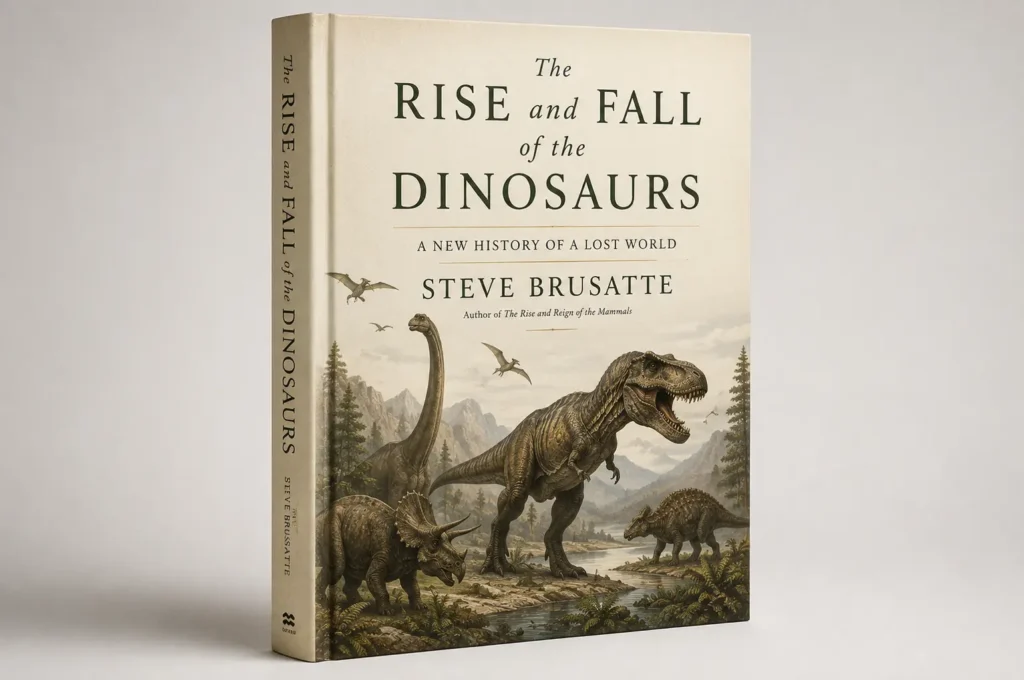
The Rise and Fall of the Dinosaurs
A compelling history of dinosaurs, tracing their origins, diversification, 200-million-year reign, extinction, and enduring legacy.
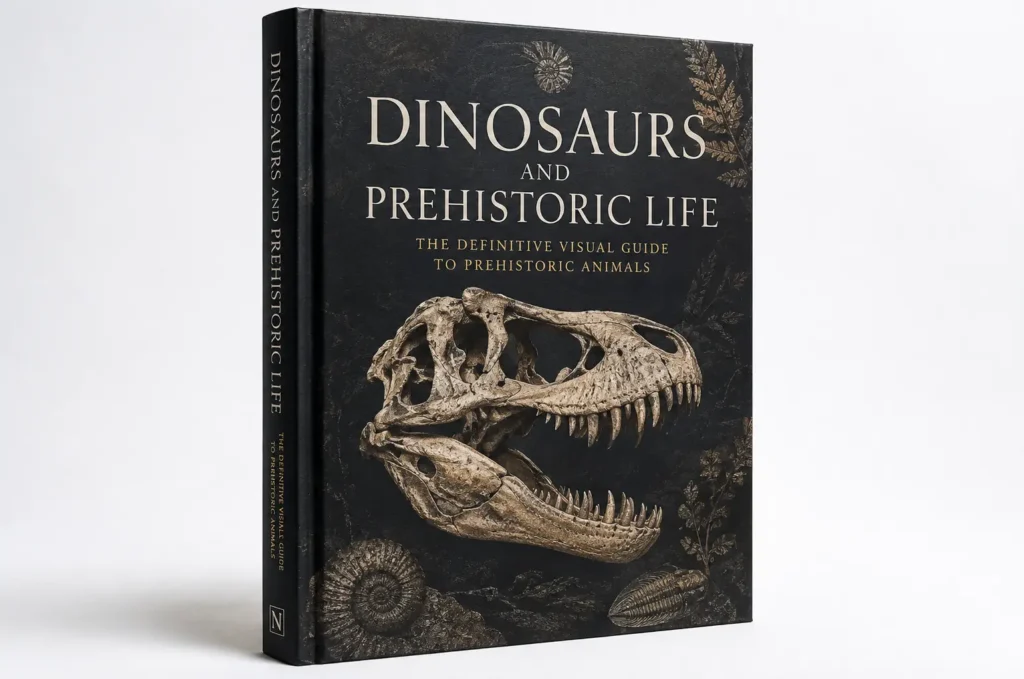
Dinosaurs and Prehistoric Life
A richly illustrated visual reference exploring dinosaurs, fossils, evolution, and prehistoric life across geological time.
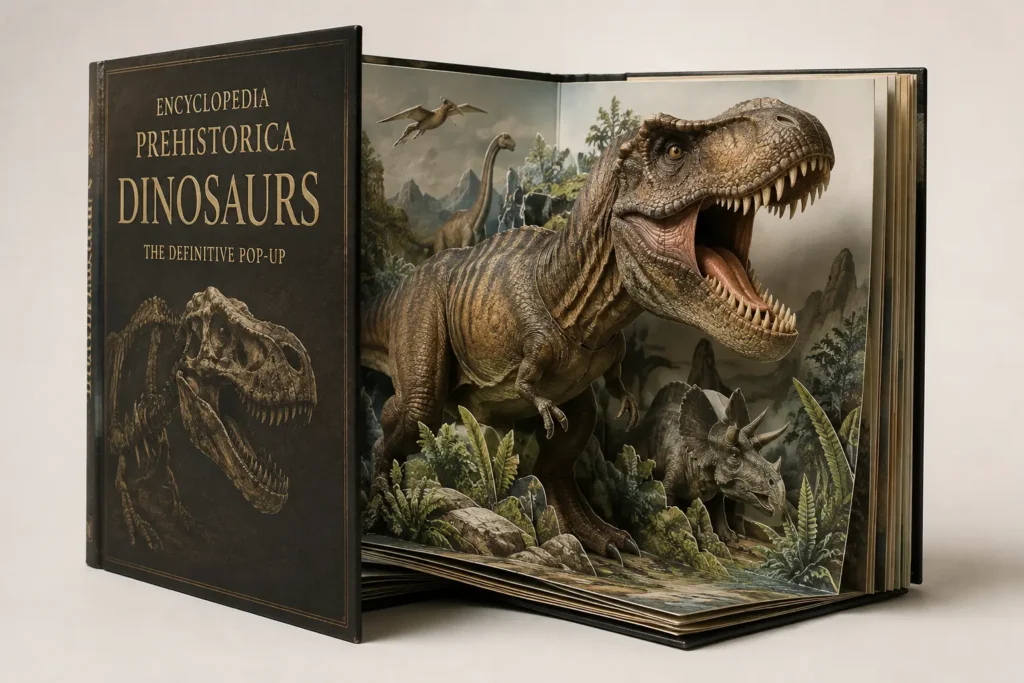
Encyclopedia Prehistorica: Dinosaurs
An interactive dinosaur book featuring spectacular three-dimensional pop-ups, particularly suited to young readers and families.
The Rise and Reign of the Mammals
A sweeping history of mammalian evolution, from their origins alongside dinosaurs through the Cenozoic and the emergence of humans.