

The Ordovician–Silurian extinction, also known as the Late Ordovician mass extinction (LOME), was one of the five major mass extinction events in Earth’s history. It occurred approximately 444 million years ago, near the end of the Ordovician Period, and caused a substantial loss of marine biodiversity. Estimates commonly suggest that around 85% of marine species disappeared, although more recent biodiversity assessments have produced lower estimates.
The extinction is traditionally associated with two major phases of environmental disruption. The first coincided with rapid global cooling, the expansion of large ice sheets over the southern supercontinent Gondwana, and a substantial fall in sea level. The second occurred during subsequent climatic warming and was associated with widespread changes in ocean chemistry, including oxygen depletion in marine environments. The relative contributions and precise sequence of these processes remain subjects of scientific debate.
Ordovician–Silurian Extinction: At a Glance
| Feature | Details |
|---|---|
| Event name | Ordovician–Silurian mass extinction |
| Alternative name | Late Ordovician mass extinction (LOME) |
| Approximate age | Around 444 million years ago |
| Geological interval | Late Ordovician, primarily the Hirnantian Stage |
| Geological boundary | Ordovician–Silurian boundary |
| Extinction phases | Traditionally recognised as two major phases |
| Major environmental changes | Glaciation, sea-level fluctuations, climatic warming and marine oxygen depletion |
| Most affected environments | Marine ecosystems, particularly continental shelves |
| Commonly cited species loss | Approximately 85% of marine species; estimates vary |
| Major affected groups | Brachiopods, trilobites, graptolites, bryozoans and other marine invertebrates |
| Geographic extent | Global |
| Geological significance | Earliest of the traditionally recognised Big Five mass extinctions |
| Subsequent period | Silurian |
What Was the Ordovician–Silurian Extinction?
The Ordovician–Silurian extinction was a major biological crisis that transformed marine ecosystems near the end of the Ordovician Period. It represents the earliest of the five traditionally recognised major mass extinctions of the Phanerozoic Eon, the interval of geological time characterised by abundant fossil evidence of complex life.
During the Ordovician Period, marine life experienced an extraordinary expansion in diversity. Shallow seas covered extensive areas of the continents, providing habitats for numerous invertebrates, early vertebrates and other marine organisms. Reef communities, seafloor ecosystems, and planktonic communities became increasingly diverse.
This expansion of biodiversity was interrupted during the Late Ordovician. Major environmental changes disrupted marine habitats, altered ocean conditions, and contributed to the disappearance of numerous species.
Unlike the end-Cretaceous extinction, which is strongly associated with a large asteroid impact, or the end-Permian extinction, which is closely linked to extensive volcanic activity and severe greenhouse warming, the Late Ordovician crisis involved substantial changes in climate, sea level, and ocean chemistry.
The extinction was not an instantaneous event. Fossil and geological evidence indicates that biodiversity declined through multiple episodes of environmental disruption, although the precise duration and relationship between these episodes remain under investigation.
Earth During the Late Ordovician
Understanding the extinction requires examining the geological and environmental conditions that existed before the crisis.
During the Late Ordovician, Earth’s continental arrangement was very different from the modern configuration. Much of the southern continental landmass was assembled into Gondwana, which extended across high southern latitudes. Other continental blocks, including Laurentia, Baltica, and Siberia, occupied different positions across the globe.
Extensive shallow marine environments developed along continental margins and across submerged continental platforms. These environments supported diverse communities of benthic organisms, including brachiopods, trilobites, bryozoans, echinoderms, and marine molluscs.
The Ordovician climate was generally warm before the major cooling associated with the Hirnantian glaciation. Atmospheric carbon dioxide concentrations were substantially higher than modern levels, although estimates vary considerably between geological models.
The extensive distribution of shallow seas was particularly important for marine biodiversity. Continental shelves provided large areas of relatively shallow, productive habitat, supporting complex ecological communities.
The development of large ice sheets over Gondwana subsequently altered this environmental arrangement. Water became stored in continental ice, global sea levels fell, and extensive shallow marine habitats were exposed or reduced.
These changes placed considerable pressure on organisms adapted to particular marine environments.
The Two Major Phases of the Extinction
The Late Ordovician mass extinction is traditionally divided into two major phases, commonly identified as LOME I and LOME II.

These phases are associated with different environmental conditions and affected marine organisms in somewhat different ways.
First Phase: Glaciation and Falling Sea Levels
The first major extinction phase occurred around the transition from the Katian to the Hirnantian Stage of the Late Ordovician.
During this interval, global temperatures declined and substantial ice sheets developed over Gondwana. Geological evidence indicates that this glaciation was among the most significant icehouse episodes of the Phanerozoic Eon.
As continental ice expanded, large quantities of water were transferred from the oceans into glaciers and ice sheets. Global sea levels consequently declined.
The reduction in sea level had major consequences for marine ecosystems.
Large areas of shallow continental shelf became exposed, reducing the available habitat for organisms adapted to shallow-water environments. Coastal marine communities were displaced, fragmented, or eliminated as their habitats changed.
Changes in ocean circulation and the distribution of oxygenated water may also have contributed to environmental stress.
The first phase particularly affected several planktonic and open-marine groups, although the biological response varied across different regions and ecological communities.
The Hirnantian glaciation is therefore an important part of the traditional explanation for the beginning of the extinction crisis.
Second Phase: Warming and Marine Oxygen Depletion
The second major extinction phase occurred later in the Hirnantian Stage.
As the glacial episode weakened, temperatures increased, and ice sheets began to retreat. Melting ice contributed to rising sea levels, allowing marine waters to return to previously exposed continental shelf environments.
However, the return of marine conditions did not necessarily restore the earlier ecological balance.
Changes in temperature, ocean circulation and seawater chemistry contributed to the development or expansion of oxygen-deficient marine environments in several regions.
Marine anoxia refers to conditions in which dissolved oxygen is absent or extremely limited. A related condition, euxinia, occurs when oxygen-free water also contains dissolved hydrogen sulphide.
Such environments can be unsuitable for many marine animals, particularly organisms that require well-oxygenated bottom waters.
Evidence from sedimentary rocks and geochemical records indicates substantial fluctuations in marine oxygen conditions during the Late Ordovician extinction interval.
The second phase affected additional marine groups, including organisms adapted to the cooler conditions that had developed during the Hirnantian glaciation.
The traditional two-phase interpretation therefore describes a sequence of major environmental changes rather than a single, uniform extinction mechanism.
What Caused the Ordovician–Silurian Extinction?
The causes of the Late Ordovician mass extinction remain an important subject of scientific research.
Several environmental processes have been proposed as potential drivers. These include global cooling, glaciation, sea-level changes, volcanic activity, greenhouse warming, and marine oxygen depletion.
Rather than assuming that one process explains the entire event, researchers increasingly examine how these environmental changes may have interacted.
Hirnantian Glaciation and Global Cooling

The Hirnantian glaciation is one of the most widely discussed environmental developments associated with the extinction.
During this interval, large ice sheets expanded over Gondwana, particularly in regions that are now part of North Africa and South America.
Glacial deposits preserved in these regions provide geological evidence of extensive ice accumulation and changing climatic conditions.
The development of large ice sheets affected global climate through several interconnected processes.
First, the expansion of glaciers increased the amount of solar radiation reflected from Earth’s surface. This effect, known as the ice-albedo feedback, can reinforce cooling.
Second, the storage of ocean water in continental ice sheets contributed to a substantial decline in global sea levels.
Third, cooling altered the distribution of marine habitats and affected organisms adapted to particular temperature conditions.
Although glaciation is central to the traditional explanation, its precise contribution to the extinction remains debated. Some researchers argue that cooling and associated sea-level changes were major extinction drivers, while others emphasise environmental disturbances that occurred alongside or independently of the glacial episode.
Sea-Level Fall and Habitat Loss
The expansion of Gondwanan ice sheets caused a substantial reduction in global sea levels.
The resulting regression of marine waters exposed extensive areas of continental shelves and reduced the availability of shallow marine habitats.
This was particularly significant because many Ordovician organisms depended on shallow-water environments for feeding, reproduction and shelter.
Brachiopods, bryozoans, corals and numerous other benthic organisms occupied ecological niches across continental shelves.
When these habitats contracted, populations became fragmented, and some communities disappeared.
Sea-level changes also altered the connections between marine environments, potentially restricting the movement and dispersal of organisms.
The loss of shallow marine habitat is therefore considered an important mechanism contributing to the biological consequences of the extinction.
Volcanic Activity and Atmospheric Changes
Volcanism has also been proposed as an important factor in the environmental changes associated with the Late Ordovician crisis.
Large-scale volcanic activity can influence climate and ocean chemistry through the release of carbon dioxide, sulphur-bearing gases and other volcanic materials.
Carbon dioxide contributes to greenhouse warming, while sulphur dioxide can produce short-term cooling through the formation of atmospheric aerosols.
Depending on the timing, magnitude and duration of emissions, volcanic activity can therefore contribute to both warming and cooling.
Research published in 2020 proposed that volcanogenic greenhouse gases may have initiated warming and contributed to marine oxygen depletion before and during the extinction phases.
This interpretation challenges the traditional view that cooling and glaciation were necessarily the primary initiating mechanisms.
However, the precise volcanic sources, timing of emissions, and relationship between volcanism and the extinction remain under investigation.
Ocean Anoxia and Changes in Seawater Chemistry
Oxygen depletion in marine environments is another important component of the Late Ordovician extinction debate.
Marine organisms depend on dissolved oxygen for respiration, although oxygen requirements differ considerably among groups.
When oxygen concentrations decline, suitable habitats become restricted. Severe oxygen depletion can eliminate populations that cannot tolerate these conditions.
Geochemical evidence from Late Ordovician sedimentary rocks indicates significant changes in marine redox conditions.
Redox conditions describe the chemical environment associated with oxidation and reduction reactions. They provide useful information about the availability of oxygen and other chemical characteristics of ancient marine environments.
Researchers use several geochemical indicators, including iron speciation and trace-element concentrations, to reconstruct these conditions.
Some studies identify expanded oxygen-deficient environments during extinction intervals, while others demonstrate substantial regional and temporal variation.
These findings suggest that marine oxygen depletion was an important environmental stress, although its exact relationship with glaciation, warming, and biological extinction remains debated.
Rapid Climatic Change
The rate of environmental change may have been just as important as the direction of temperature change.
Organisms adapted to particular climatic and ecological conditions may tolerate gradual environmental fluctuations but struggle when those conditions change rapidly.
A major study published in 2025 used high-precision uranium–lead dating and fossil biodiversity data to investigate the timing of the Late Ordovician extinction.
The researchers identified two extinction phases and found that the second phase was associated with a substantially higher average rate of species loss than the first.
Their findings suggest that the speed of climatic change played an important role in determining the severity and tempo of the extinction.
This research provides an important perspective on the relationship between climate change and biodiversity loss during the Late Ordovician.
Which Organisms Were Affected?
The Ordovician–Silurian extinction primarily affected marine organisms. The extensive shallow seas of the Ordovician supported a wide range of invertebrate communities, many of which experienced substantial losses.
The impact varied among taxonomic groups, ecological environments, and geographical regions.
Brachiopods

Brachiopods were among the important components of Ordovician marine ecosystems.
These shelled marine invertebrates lived mainly on the seafloor and were particularly abundant in shallow marine environments.
Many brachiopod communities experienced significant losses during the extinction. Several previously successful groups declined, while surviving lineages contributed to the development of Silurian marine communities.
Their fossil record provides important evidence of ecological changes across the Ordovician–Silurian transition.
Trilobites
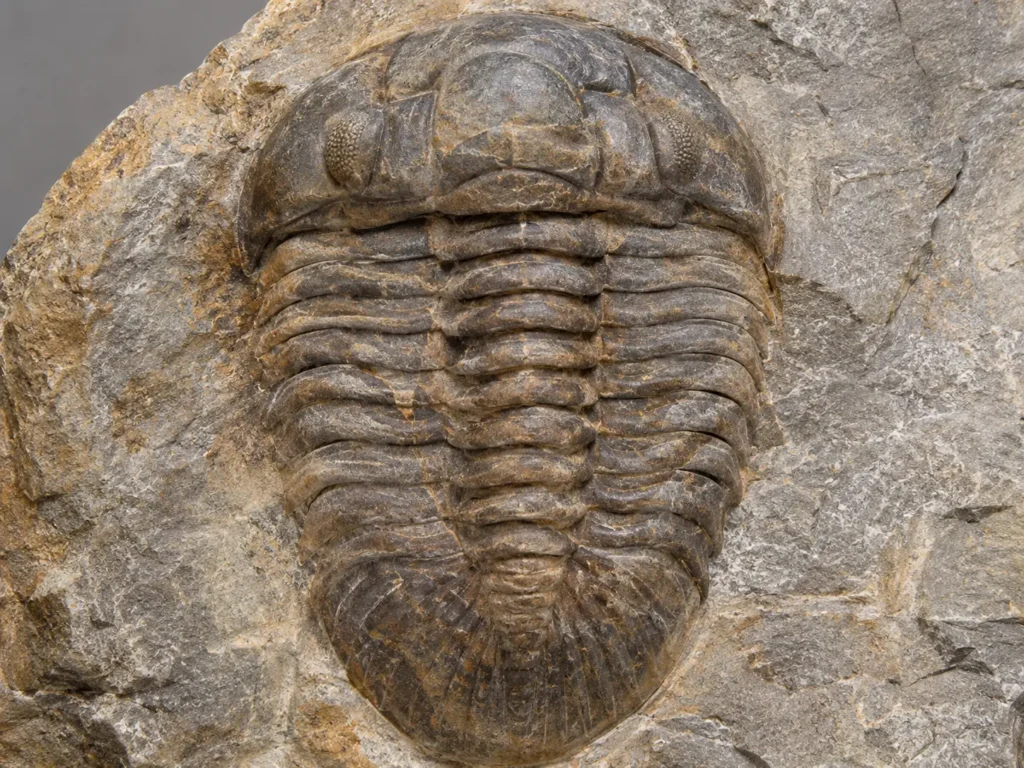
Trilobites were diverse marine arthropods that had occupied marine environments since the Cambrian Period.
During the Ordovician, they included numerous species with different body forms, feeding strategies, and ecological adaptations.
The Late Ordovician extinction eliminated several trilobite lineages and substantially altered their diversity.
However, trilobites did not disappear completely. Surviving groups continued to diversify during the Silurian and remained important components of marine ecosystems for much of the Palaeozoic Era.
Graptolites
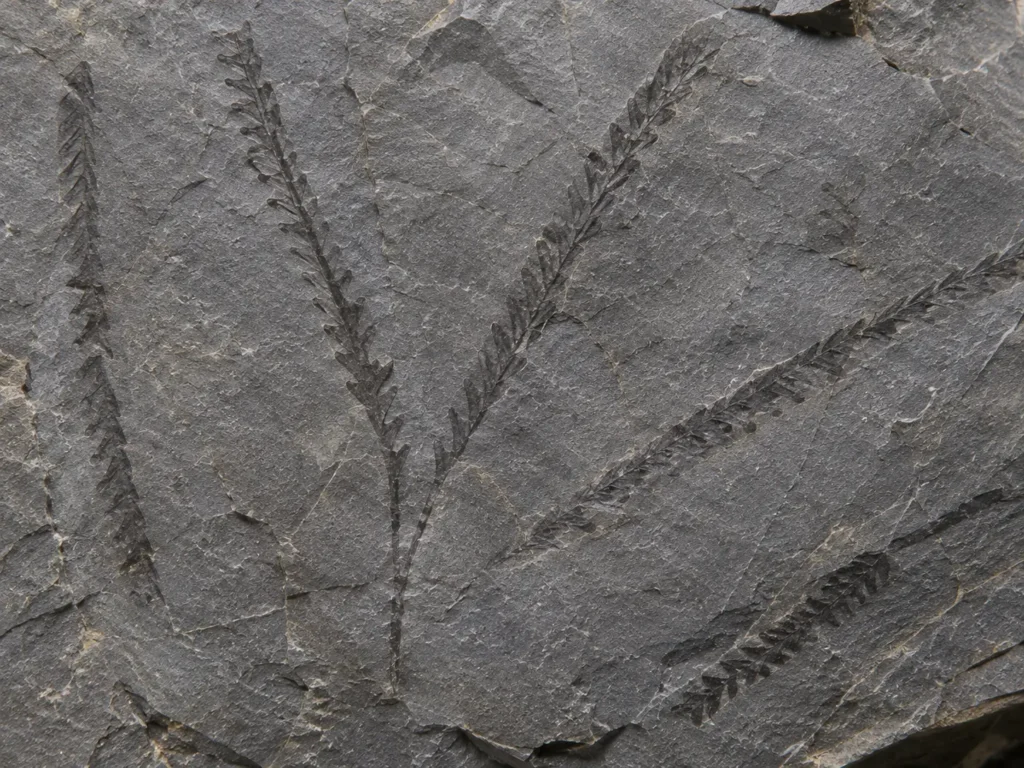
Graptolites were colonial marine organisms that played an important role in Ordovician planktonic and nektonic ecosystems.
Their fossilised colonies are particularly valuable for reconstructing geological age and environmental changes.
Several graptolite groups experienced significant turnover during the Late Ordovician extinction.
The appearance and disappearance of particular graptolite species also help geologists establish biostratigraphic correlations across Ordovician and Silurian rock sequences.
Bryozoans
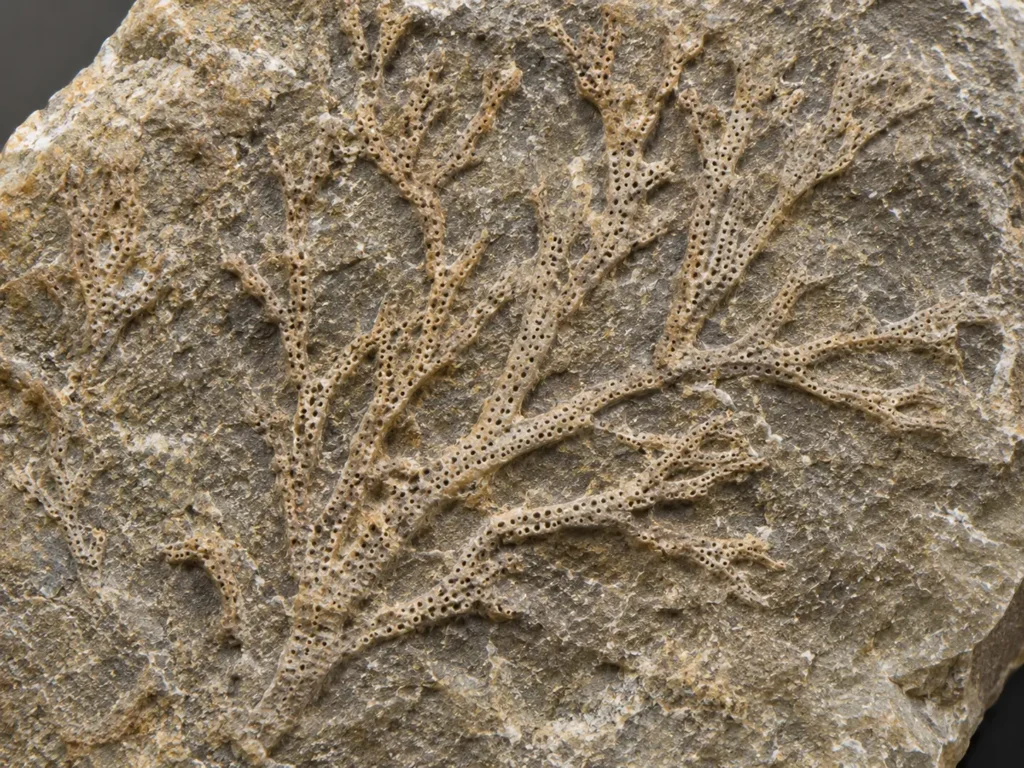
Bryozoans are colonial aquatic invertebrates that construct interconnected colonies of small individual organisms called zooids.
Many Ordovician bryozoans occupied marine substrates, where their colonies contributed to the structural complexity of seafloor communities.
The extinction affected bryozoan diversity and altered the composition of marine communities.
Surviving lineages continued to evolve and became important components of later Palaeozoic ecosystems.
Corals and Reef-Building Organisms
Coral-like organisms and other reef-associated invertebrates contributed to the development of Ordovician marine habitats.
Tabulate and rugose corals became particularly important during the later Palaeozoic, although their early representatives and related reef-building communities were already part of Ordovician marine ecosystems.
The extinction disrupted several reef-associated communities and contributed to changes in the structure and distribution of marine habitats.
Reef ecosystems subsequently underwent further development during the Silurian Period.
Other Marine Organisms
The extinction also affected numerous additional marine groups, including echinoderms, molluscs, conodont animals, and other invertebrates.
The impact was not identical across all groups. Some experienced substantial taxonomic losses, while others survived with comparatively less disruption.
This uneven biological response is an important feature of the Late Ordovician extinction.
Fossil and Geological Evidence
The Ordovician–Silurian extinction is reconstructed through fossil assemblages, sedimentary sequences, glacial deposits, and geochemical evidence.
Unlike an asteroid impact event, which may leave distinctive physical evidence such as shocked minerals and impact-related deposits, the Late Ordovician extinction is primarily identified through changes in biological communities and environmental records preserved in sedimentary rocks.
Changes in Fossil Assemblages
One of the strongest lines of evidence comes from the disappearance and replacement of marine fossil species across Late Ordovician sedimentary sequences.
Fossil assemblages below the extinction interval preserve diverse communities containing brachiopods, trilobites, graptolites, and other marine organisms.
Higher in the geological sequence, many of these species become absent, while different assemblages appear.
These changes allow palaeontologists to reconstruct the timing and extent of biological turnover.
However, the fossil record is incomplete. Differences in sedimentation, preservation, and sampling can influence the apparent timing and magnitude of extinction.
Glacial Deposits in Gondwana
Sedimentary rocks associated with ancient glaciation provide evidence of the Hirnantian ice age.
Glacial deposits and related sedimentary structures have been identified in several regions that were part of Gondwana during the Late Ordovician.
These deposits include glacially influenced sediments and evidence of changing depositional environments.
Their distribution helps researchers reconstruct the geographical extent of glaciation and its relationship with changes in global sea level.
Geochemical Evidence
Geochemical records provide additional information about changes in ancient oceans and atmospheric conditions.
Researchers examine the chemical composition of sedimentary rocks to identify environmental changes that cannot always be reconstructed from fossils alone.
Important indicators include:
- Carbon isotope variations, which help reconstruct changes in the global carbon cycle.
- Sulphur isotope records, which provide information about marine sulphur cycling and redox conditions.
- Iron speciation, which can help distinguish oxygenated, anoxic, and euxinic environments.
- Trace elements such as molybdenum and uranium, which can provide evidence of changes in marine oxygen availability.
These indicators are particularly useful when interpreted together with sedimentological and palaeontological evidence.
Stratigraphic Evidence at the Ordovician–Silurian Boundary
The transition between the Ordovician and Silurian periods is preserved in sedimentary successions across several parts of the world.
One important reference location is the Wangjiawan North section in South China, which serves as the Global Boundary Stratotype Section and Point for the Hirnantian Stage.
Such sections allow researchers to compare fossil assemblages, geochemical changes, and radiometric dates across the extinction interval.
High-precision uranium–lead dating of volcanic ash beds has also helped refine the chronology of the extinction and the Ordovician–Silurian transition.
Together, these geological records provide a framework for understanding the sequence of environmental and biological changes.
Survival and Ecological Consequences
Although the Late Ordovician extinction eliminated a substantial proportion of marine biodiversity, it did not destroy all marine ecosystems.
Several groups survived the crisis, including representatives of brachiopods, trilobites, molluscs, graptolites, and other marine invertebrates.
However, survival did not necessarily mean that organisms retained their previous ecological importance.
Some formerly dominant groups declined substantially, while surviving lineages occupied ecological spaces left by extinct organisms.
Marine communities were consequently reorganised.
The extinction also changed the distribution of organisms across different marine environments. Changes in temperature, sea level and ocean chemistry influenced the geographical ranges of species and the composition of ecological communities.
These biological changes continued into the early Silurian, demonstrating that the consequences of the extinction extended beyond the formal Ordovician–Silurian boundary.
Recovery During the Silurian Period
The Silurian Period began after the Ordovician–Silurian extinction and witnessed the gradual restructuring of marine ecosystems.
Surviving organisms diversified, new ecological relationships developed, and marine communities became increasingly complex.
Brachiopods, corals, bryozoans, trilobites, and other invertebrates continued to evolve and occupy different ecological environments.
Reef-building communities also became increasingly important during the Silurian.
The recovery was not uniform across all organisms or habitats. Some groups diversified relatively quickly, while others experienced longer periods of ecological restructuring.
Changes in ocean conditions also influenced the recovery of marine biodiversity.
The Silurian therefore represents an important interval in the reorganisation of marine life following the Late Ordovician extinction.
The crisis did not simply remove species from existing ecosystems. It altered the ecological structure of marine environments and influenced the subsequent course of Palaeozoic evolution.
Why Was the Ordovician–Silurian Extinction Important?
The Ordovician–Silurian extinction was one of the most significant biological crises in the history of complex life.
Its importance extends beyond the number of species that disappeared.
First, it demonstrated the vulnerability of highly diverse marine ecosystems to major environmental changes.
Second, it provides an important geological record of the relationship between climate, sea-level fluctuations, ocean chemistry, and biodiversity.
Third, the extinction changed the composition of marine communities and influenced the subsequent evolution of Palaeozoic ecosystems.
Finally, it provides an opportunity to study how biological communities respond to rapid environmental change.
The event remains particularly important because its causes are not explained by a single universally accepted mechanism. Research into the interactions between glaciation, volcanism, warming, and ocean oxygen depletion continues to refine scientific understanding of this ancient extinction.
Frequently Asked Questions
When did the Ordovician–Silurian extinction occur?
The Ordovician–Silurian extinction occurred during the Late Ordovician, approximately 444 million years ago. Its principal extinction interval is associated with the Hirnantian Stage, immediately before the beginning of the Silurian Period.
How many species disappeared during the Ordovician–Silurian extinction?
The extinction is commonly estimated to have eliminated approximately 85% of marine species. However, estimates vary depending on the fossil dataset, taxonomic methods, and geological interval used in individual studies. Some recent assessments have reported lower estimates.
What caused the Ordovician–Silurian extinction?
The extinction has been associated with major environmental changes, including Gondwanan glaciation, global cooling, sea-level fall, subsequent warming, and marine oxygen depletion. Volcanic activity has also been proposed as an important contributing factor. The relative importance of these processes remains debated.
What was the Hirnantian glaciation?
The Hirnantian glaciation was a major icehouse episode during the Late Ordovician, when large ice sheets developed over Gondwana. It contributed to global cooling and a substantial fall in sea level, affecting marine habitats around the world.
Which organisms were most affected?
Several marine invertebrate groups experienced significant losses, including brachiopods, trilobites, graptolites, bryozoans, and other organisms. The effects varied among different taxonomic groups and marine environments.
Was the Ordovician–Silurian extinction the first mass extinction?
It is generally recognised as the earliest of the traditional Big Five mass extinctions of the Phanerozoic Eon. However, other significant biodiversity crises occurred during geological time, including earlier events in the Cambrian and Ordovician periods.
How long did the extinction last?
Its precise duration remains debated. Traditional estimates have placed the main extinction interval across hundreds of thousands to more than a million years. A 2025 high-precision dating study estimated two phases spanning approximately 400,000 years in the South China sections examined, although the chronology is still being refined.
Did trilobites become extinct during the Ordovician–Silurian extinction?
No. The extinction eliminated several trilobite lineages and reduced their diversity, but trilobites survived and continued to diversify during the Silurian and subsequent geological periods. They finally disappeared during the end-Permian mass extinction.
What followed the Ordovician–Silurian extinction?
The Silurian Period followed the extinction. Marine ecosystems gradually recovered and underwent substantial ecological restructuring, with surviving organisms diversifying and new communities developing.
Conclusion
The Ordovician–Silurian extinction represents a major turning point in the evolutionary history of marine life. Occurring near the end of the Ordovician Period, it disrupted diverse marine ecosystems through a combination of climatic and oceanographic changes.
Gondwanan glaciation, falling sea levels, subsequent warming, marine oxygen depletion, and potentially volcanic activity all feature in scientific explanations of the crisis. Although researchers continue to debate the precise sequence and relative importance of these processes, fossil and geological evidence demonstrates the scale of the biological disruption.
The extinction reshaped marine biodiversity and influenced the development of ecosystems during the Silurian Period. Its geological record also provides important evidence of how rapid environmental changes can transform the distribution, diversity, and evolutionary trajectory of life on Earth.
References
A. Primary Scientific Reviews
- Harper, D. A. T. (2024). Late Ordovician Mass Extinction: Earth, fire and ice. National Science Review, 11(1), nwad319. https://doi.org/10.1093/nsr/nwad319
- Sheehan, P. M. (2001). The Late Ordovician Mass Extinction. In D. E. G. Briggs and P. R. Crowther (Eds.), Palaeobiology II. Blackwell Science.
B. Peer-Reviewed Research Articles
- Zhang, Z., et al. (2025). Tempo of the Late Ordovician mass extinction controlled by the rate of climate change. Science Advances, 11(22), eadv6788. https://doi.org/10.1126/sciadv.adv6788
- Bond, D. P. G., et al. (2020). Late Ordovician mass extinction caused by volcanism, warming, and anoxia, not cooling and glaciation. Geology, 48(8), 777–781. https://doi.org/10.1130/G47377.1
- Redox changes in the Iapetus Ocean during the Late Ordovician extinction crises. (2024). Journal of the Geological Society, 181(5). https://doi.org/10.1144/jgs2023-195
- Geochemical Records Reveal Protracted and Differential Marine Redox Change Associated With Late Ordovician Climate and Mass Extinctions. (2022). AGU Advances, 3(1). https://doi.org/10.1029/2021AV000563
C. Geological and Stratigraphic Resources
- International Commission on Stratigraphy (ICS). International Chronostratigraphic Chart. https://stratigraphy.org/chart
- International Commission on Stratigraphy (ICS). Ordovician–Silurian boundary and Hirnantian Stage stratigraphic resources. https://stratigraphy.org/
Recommended Paleontology & Natural History Books
As an Amazon Associate, Extinct Atlas may earn from qualifying purchases.
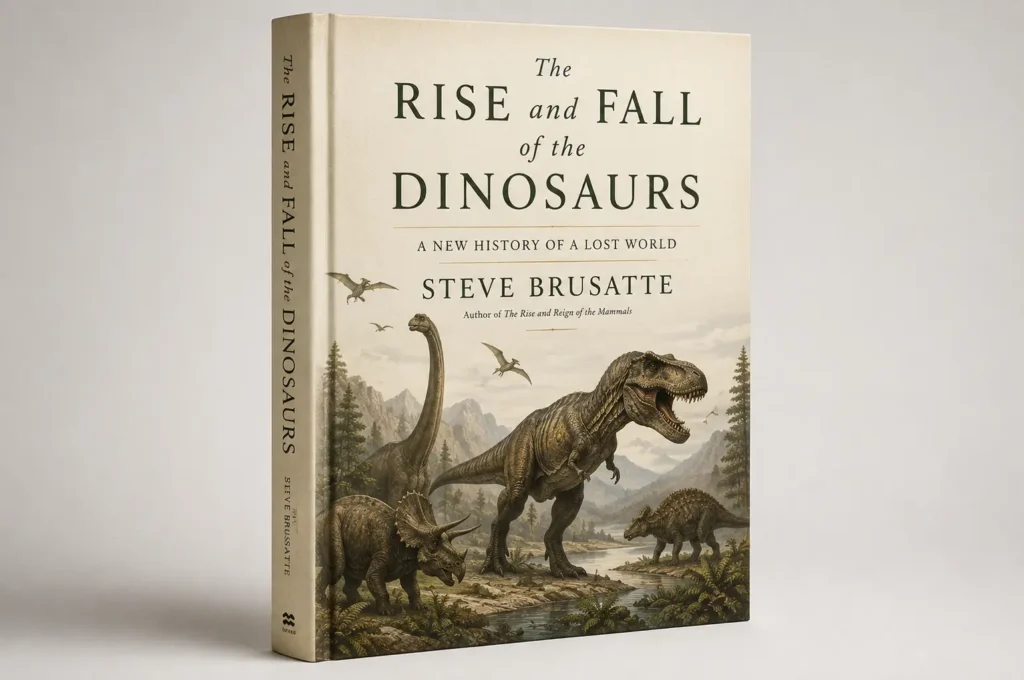
The Rise and Fall of the Dinosaurs
A compelling history of dinosaurs, tracing their origins, diversification, 200-million-year reign, extinction, and enduring legacy.
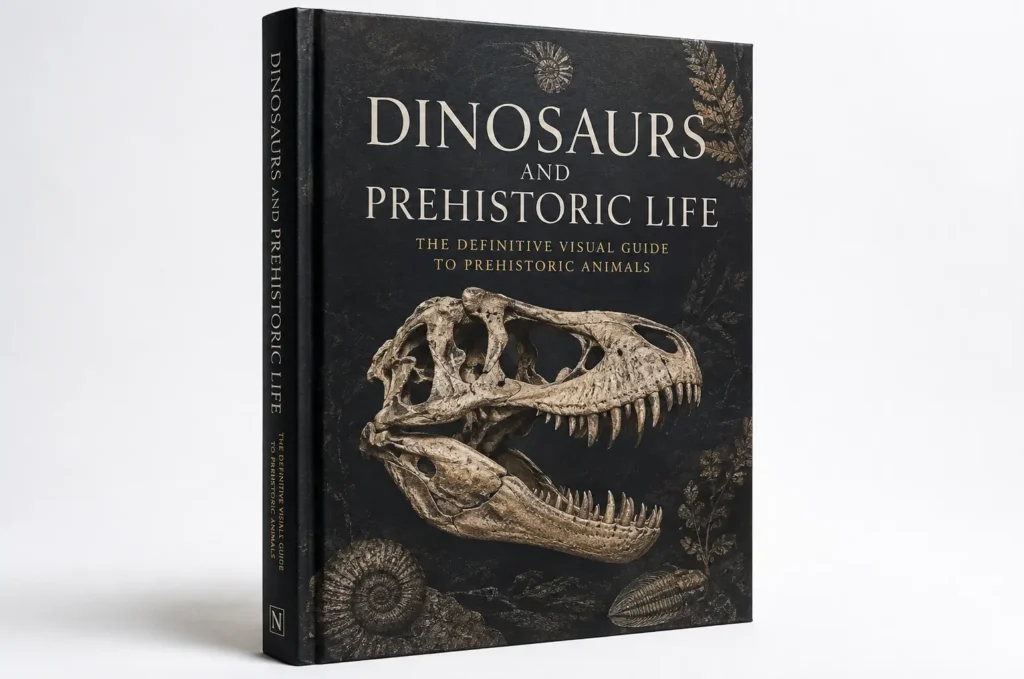
Dinosaurs and Prehistoric Life
A richly illustrated visual reference exploring dinosaurs, fossils, evolution, and prehistoric life across geological time.
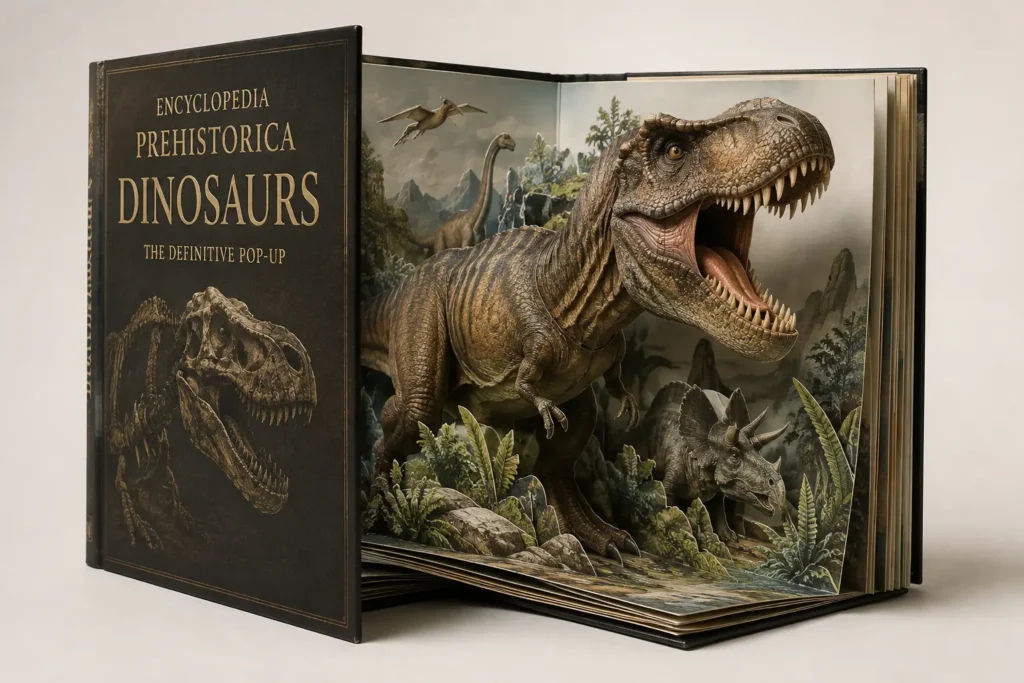
Encyclopedia Prehistorica: Dinosaurs
An interactive dinosaur book featuring spectacular three-dimensional pop-ups, particularly suited to young readers and families.
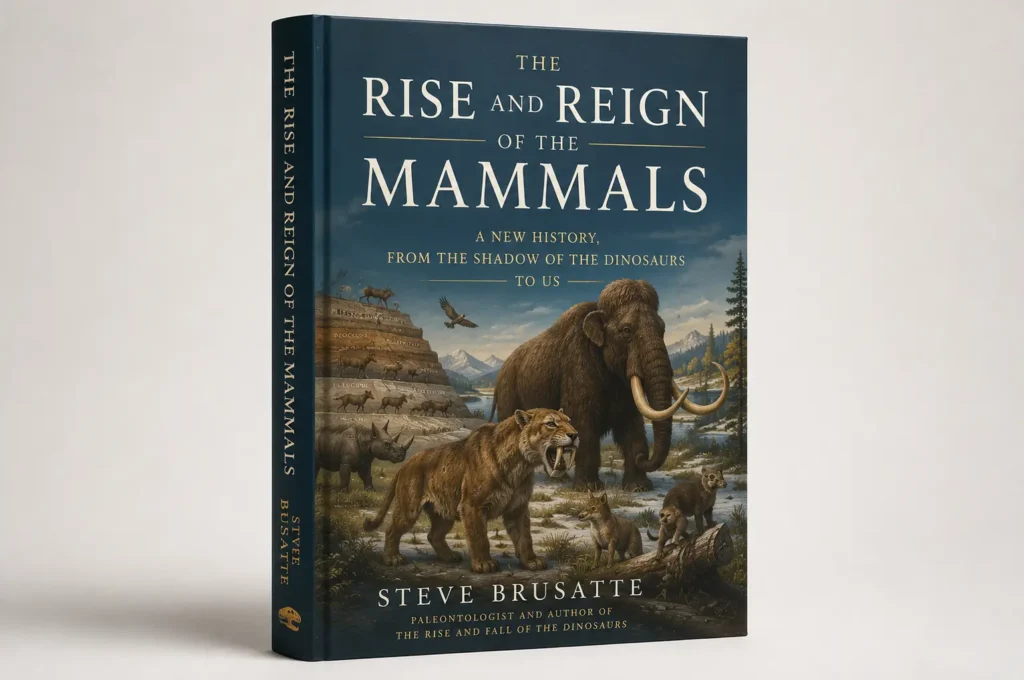
The Rise and Reign of the Mammals
A sweeping history of mammalian evolution, from their origins alongside dinosaurs through the Cenozoic and the emergence of humans.