Apatosaurus ajax: Quick Facts

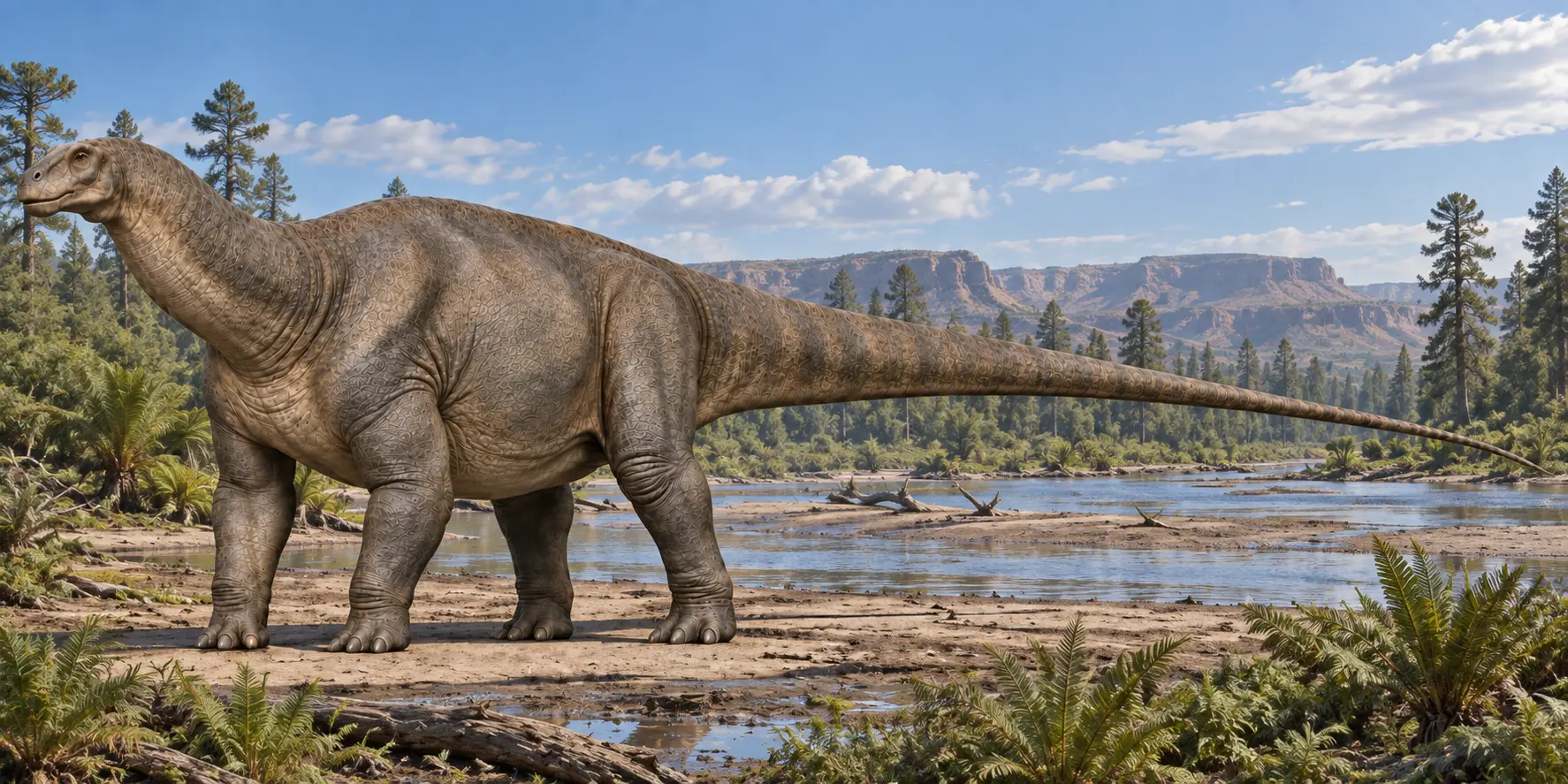
Apatosaurus ajax standing beside a Late Jurassic Morrison Formation floodplain with a long tapering tail and robust sauropod body.

Feature Information Scientific name Apatosaurus ajax Marsh, 1877 Dinosaur group Sauropoda; Diplodocidae Geological interval Late Jurassic Principal formation Morrison Formation Type locality Lakes Quarry 10, Morrison, Gunnison County, Colorado, USA Type specimen YPM 1860 Locomotion Quadrupedal Diet Herbivorous Geographic context Western North America Apatosaurus ajax Marsh, 1877 is the type species of Apatosaurus. Its holotype, … Read more

Dilophosaurus – Quick Facts

Dilophosaurus wetherilli standing on a riverbank in the Early Jurassic Kayenta Formation, showing its slender theropod body and distinctive paired cranial crests.

Quick Answer Dilophosaurus wetherilli was a large-bodied theropod dinosaur that lived during the Early Jurassic in what is now northern Arizona. It is best known for the distinctive pair of bony crests on its skull. Fossils from the Kayenta Formation provide a substantial anatomical record, including multiple specimens reassessed in a comprehensive 2020 study. That … Read more

Baryonyx: Quick Facts

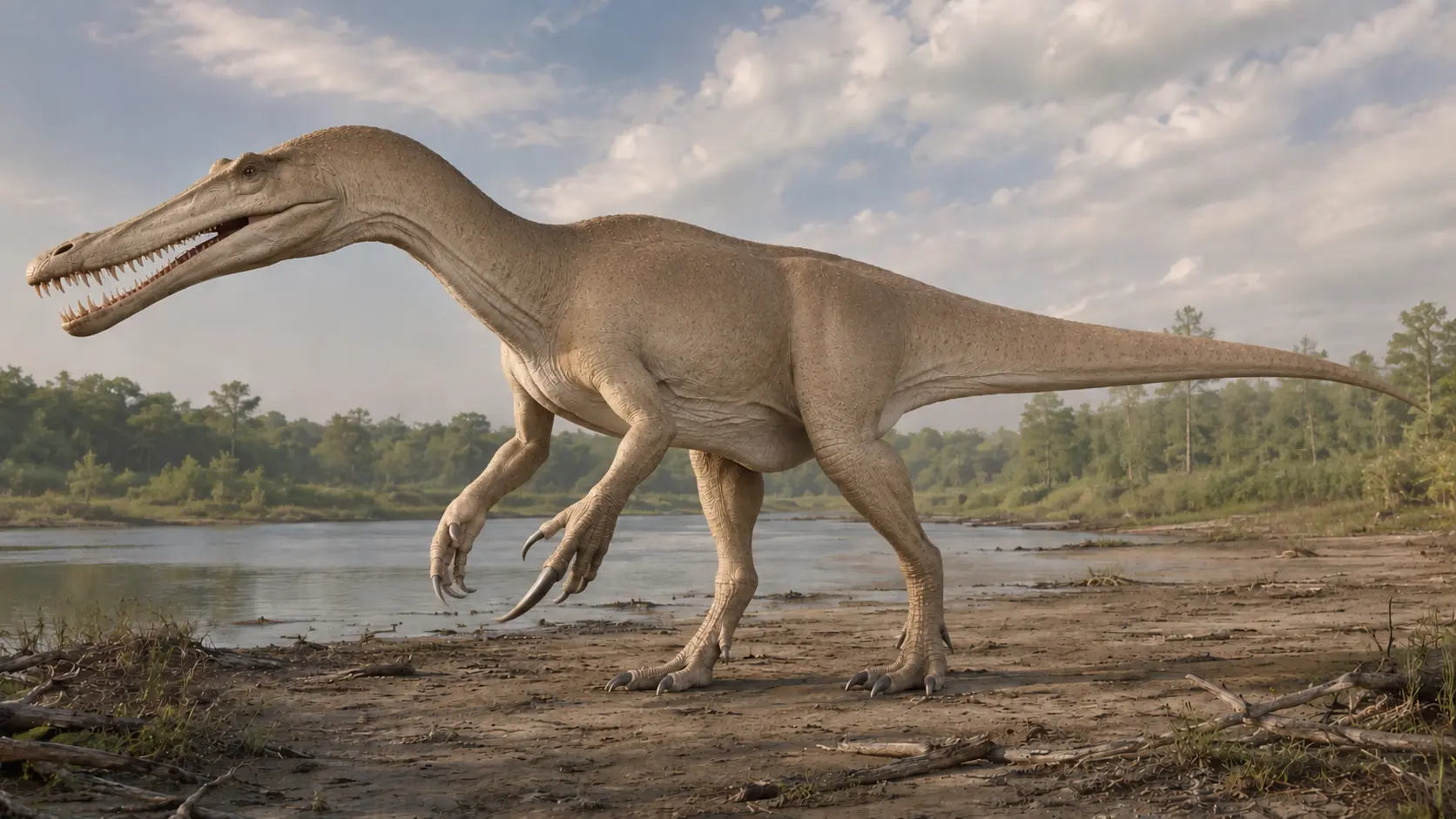
Photorealistic reconstruction of Baryonyx walkeri, showing its long narrow snout, robust forelimbs, large first manual claw, and bipedal posture.

Baryonyx is an Early Cretaceous spinosaurid theropod best known from the type species Baryonyx walkeri, named in 1986 from a substantial partial skeleton discovered near Ockley, Surrey, England. Its unusually long, narrow skull, conical teeth, robust forelimbs and very large manual claw distinguish it from many other theropods. The type specimen also preserves direct evidence … Read more

Iguanodon: Quick Facts

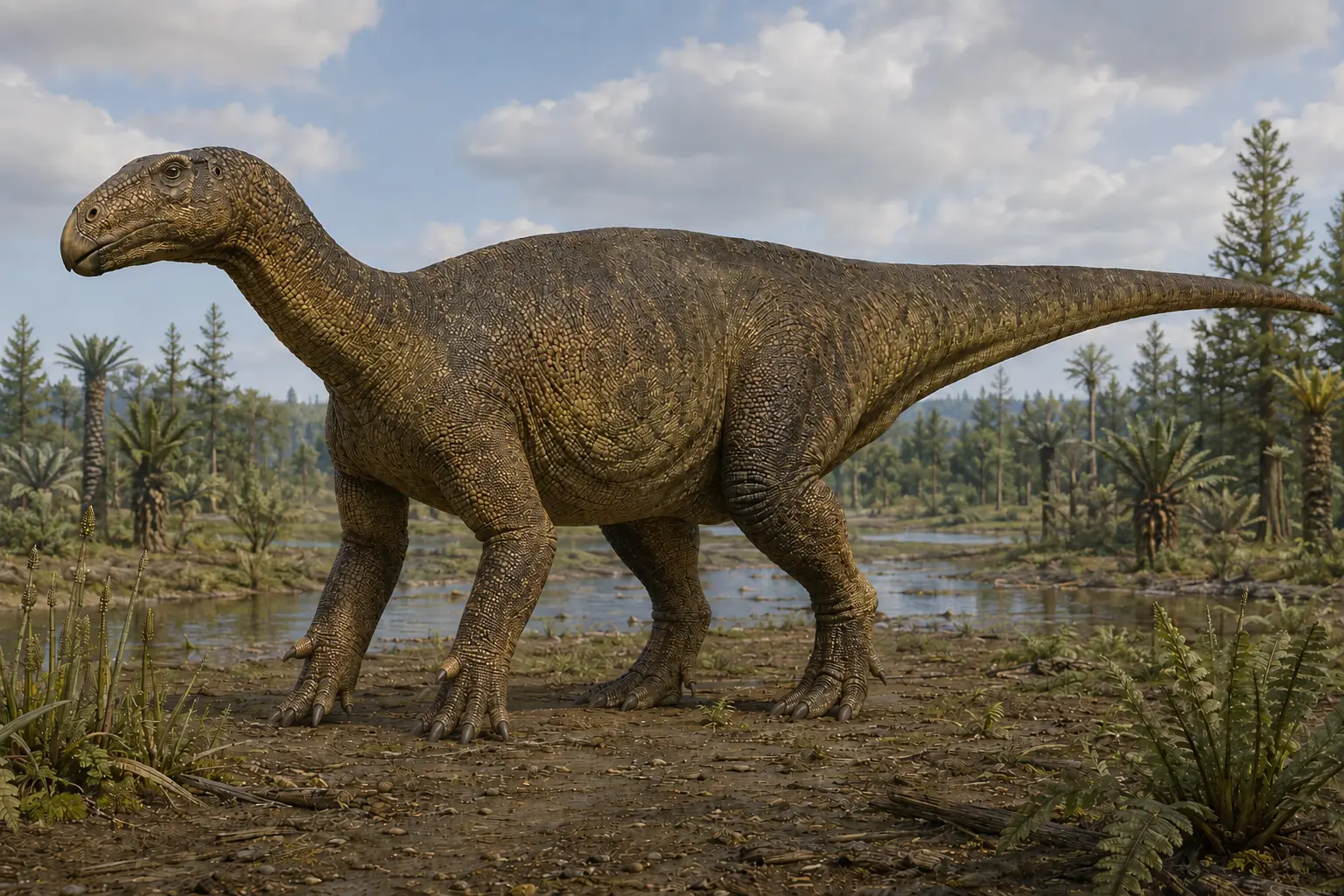
Photorealistic reconstruction of Iguanodon bernissartensis standing in an Early Cretaceous European floodplain, showing its robust body, beaked skull, distinctive thumb spikes, scaly skin, and elevated tail in a natural quadrupedal stance.

Quick Answer Iguanodon was a large herbivorous ornithopod dinosaur that lived during the Early Cretaceous, approximately 126–122 million years ago. It is one of the most historically significant dinosaurs because it was among the first genera to be scientifically described and played a central role in the recognition of dinosaurs as a distinct group of … Read more

Deinonychus Quick Facts

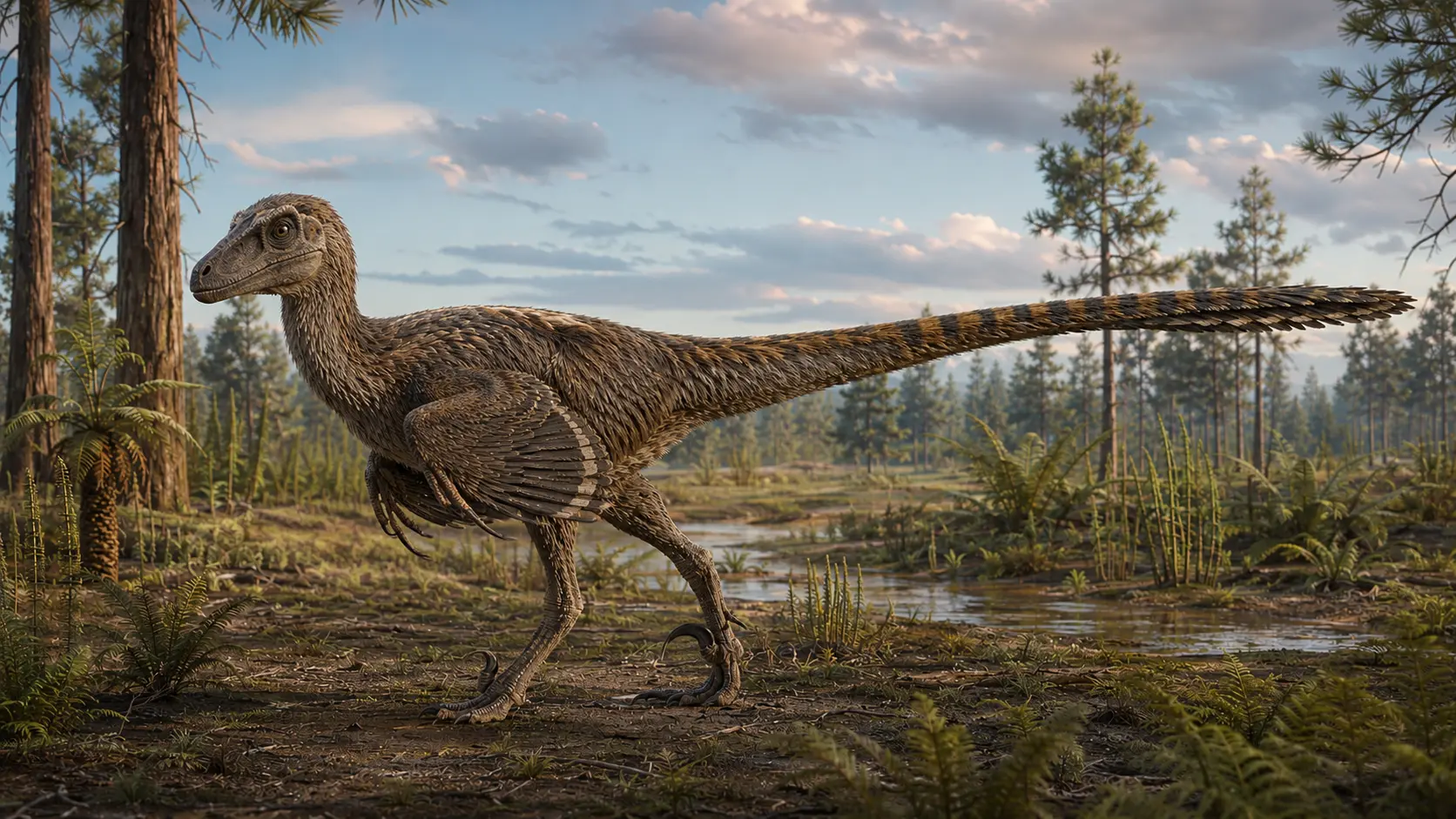
Scientifically accurate reconstruction of Deinonychus antirrhopus, a feathered Early Cretaceous dromaeosaur, walking across a Cloverly Formation floodplain with folded wing feathers, a raised sickle claw, and a long stiffened tail.

Quick Info Category Information Scientific Name Deinonychus antirrhopus Meaning of Name “Terrible claw” Described By John H. Ostrom Year Named 1969 Classification Dromaeosauridae Age Early Cretaceous (approximately 115–108 million years ago) Geographic Range Western North America Known From United States (Montana, Wyoming, Oklahoma, Utah) Formation Primarily Cloverly Formation Diet Carnivore Locomotion Bipedal Estimated Length 3.0–3.5 … Read more

Carnotaurus Quick Facts

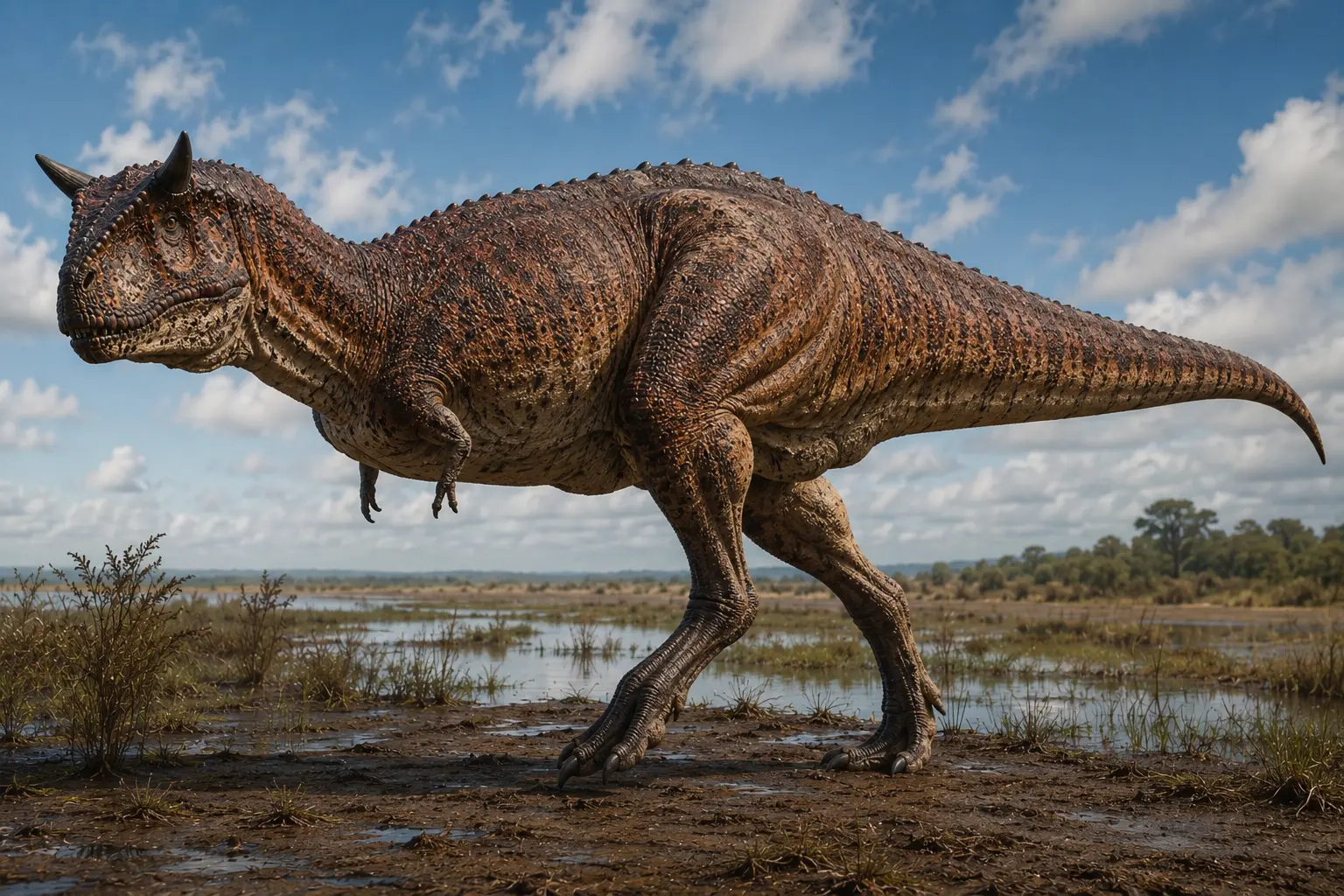
Full-body reconstruction of Carnotaurus sastrei standing in a Late Cretaceous wetland environment, showing its distinctive horns above the eyes, deep short skull, extremely reduced forelimbs, long running-adapted hindlimbs, scaly skin, and muscular tail.

Carnotaurus Quick Info Field Information Scientific Name Carnotaurus sastrei Common Name Carnotaurus Taxonomic Status Valid species Classification Theropoda → Abelisauridae Geological Age Late Cretaceous (Maastrichtian) Age Range Approximately 72–69.9 million years ago Formation La Colonia Formation (commonly cited; stratigraphic interpretation remains discussed) Location Chubut Province, Patagonia, Argentina Diet Carnivorous Estimated Length 7.5–9 m Estimated Weight … Read more

Giganotosaurus: Quick Facts

Full-body scientific reconstruction of Giganotosaurus carolinii standing on a semi-arid floodplain within the Late Cretaceous Candeleros Formation of Patagonia, Argentina. The giant carcharodontosaurid theropod is shown in three-quarter lateral view with its long, low skull, serrated teeth, three-fingered forelimbs, powerful hindlimbs, horizontal posture, and elongated balancing tail clearly visible. The image serves as a definitive hub reconstruction illustrating the overall appearance and diagnostic anatomy of one of the largest known predatory dinosaurs.

Species Quick Info Attribute Detail Scientific name Giganotosaurus carolinii Pronunciation jih-GAN-oh-toh-SORE-us Name meaning “Giant southern lizard,” from Greek gigas (giant), notos (southern), and sauros (lizard); the species name carolinii honours discoverer Rubén Dario Carolini Classification Animalia → Chordata → Dinosauria → Saurischia → Theropoda → Carcharodontosauridae → Giganotosaurus Period Late Cretaceous (Cenomanian), approximately 99–97 million … Read more

Ankylosaurus: Quick Facts

Full-body reconstruction of Ankylosaurus magniventris standing on a Late Cretaceous Hell Creek floodplain beside shallow river channels, showing its broad armored body, cervical half-rings, and massive tail club in a scientifically accurate species-reference view.

Quick Info Attribute Detail Scientific name Ankylosaurus magniventris Pronunciation an-KY-loh-SORE-us mag-nih-VEN-triss Name meaning “Fused lizard”; species epithet means “large-bellied” Classification Ornithischia → Ankylosauria → Ankylosauridae → Ankylosaurus → A. magniventris Period Late Cretaceous (Maastrichtian), approximately 68–66 million years ago Known from Hell Creek Formation and Lance Formation, western North America Diet Herbivore; low-browsing vegetation Length … Read more

Smilodon: Quick Facts

Full-body scientific reconstruction of Smilodon fatalis, the saber-toothed cat of Late Pleistocene North America. The animal is shown in a three-quarter lateral view standing in an open grassland and woodland habitat. Diagnostic features including the elongated saber canines, deep skull, muscular neck, powerful forequarters, broad chest, and short tail are clearly visible. The image serves as a documentary-style reference illustrating the overall appearance and anatomy of the species.

Species Quick Info Attribute Detail Scientific name Smilodon Lund, 1842 Pronunciation SMY-loh-don Name meaning “Knife tooth” (Greek smilē + odōn) Classification Animalia > Chordata > Mammalia > Carnivora > Felidae > Machairodontinae > Smilodon Period Pleistocene, approximately 2.5 million–10,000 years ago Found in North America (S. fatalis, S. gracilis) and South America (S. populator); major … Read more

Woolly Mammoth

Woolly mammoth (Mammuthus primigenius) standing on a frost-covered Mammoth Steppe at sunrise, showing its shaggy coat, shoulder hump, and long curved tusks.

Quick Facts Attribute Detail Scientific name Mammuthus primigenius Pronunciation mam-OO-thus prim-ih-JEE-nee-us Name meaning Mammuthus: mammoth; primigenius: primeval or first-born Classification Animalia > Chordata > Mammalia > Proboscidea > Elephantidae > Mammuthus > M. primigenius Period Middle Pleistocene–Holocene, approximately 400,000–4,000 years ago Found in Northern Eurasia, Beringia, North America; frozen specimens concentrated in Siberia Diet Herbivore … Read more