
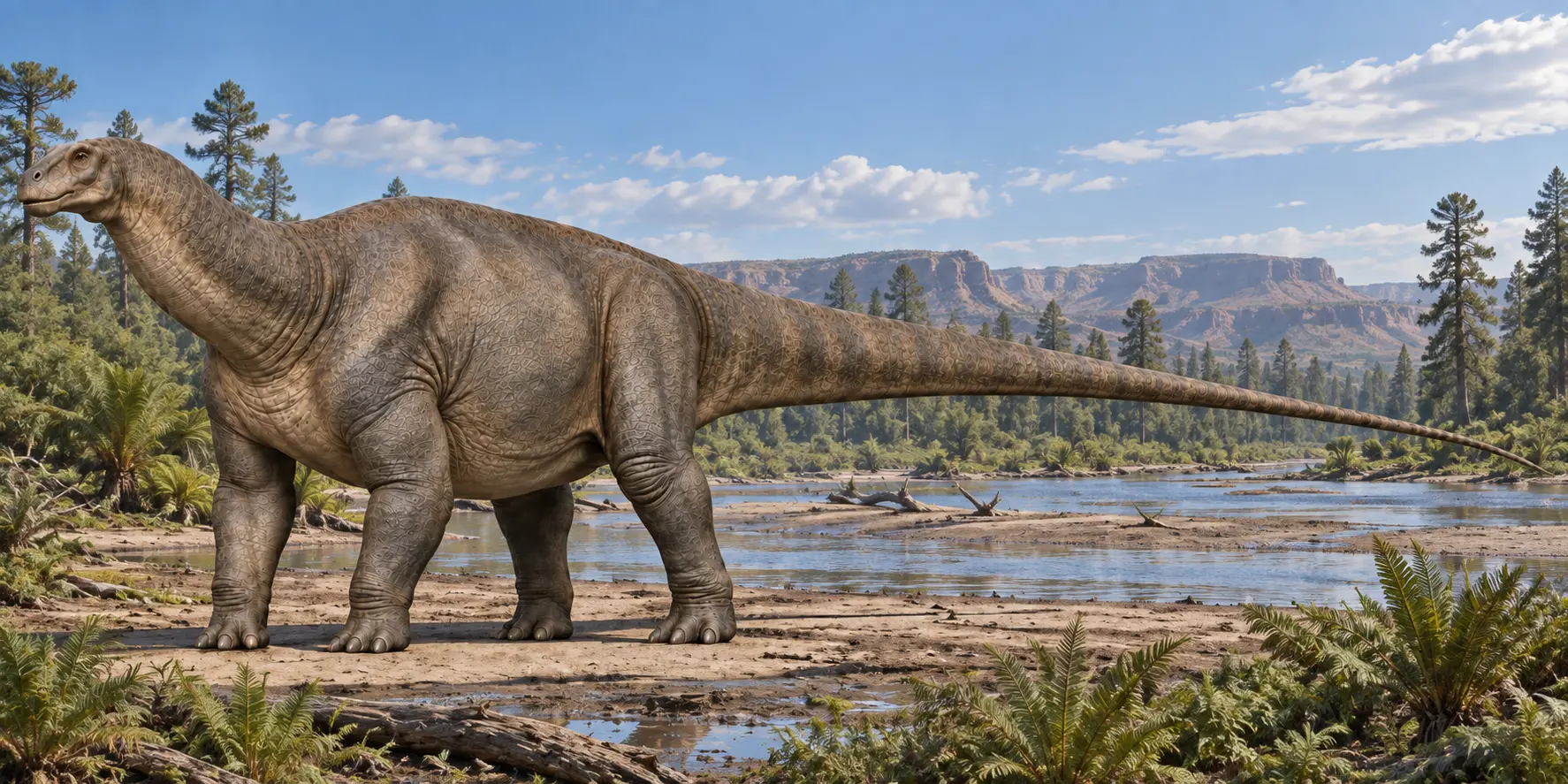
| Feature | Information |
|---|---|
| Scientific name | Apatosaurus ajax Marsh, 1877 |
| Dinosaur group | Sauropoda; Diplodocidae |
| Geological interval | Late Jurassic |
| Principal formation | Morrison Formation |
| Type locality | Lakes Quarry 10, Morrison, Gunnison County, Colorado, USA |
| Type specimen | YPM 1860 |
| Locomotion | Quadrupedal |
| Diet | Herbivorous |
| Geographic context | Western North America |
Apatosaurus ajax Marsh, 1877 is the type species of Apatosaurus. Its holotype, YPM 1860, is also the genoholotype of the genus. Tschopp, Mateus, and Benson identify the type locality as Lakes Quarry 10 in Morrison, Gunnison County, Colorado, within the Upper Brushy Basin Member of the Morrison Formation, with a Kimmeridgian–Tithonian age assignment. They also document an important specimen-level complication: YPM 1860 became intermingled with YPM 1840 during collection and shipping, and the braincase currently labelled YPM 1860 cannot be assigned with complete confidence.
What was Apatosaurus ajax?

Apatosaurus ajax is the type species of the sauropod genus Apatosaurus. It belongs to Diplodocidae, a group of long-necked, long-tailed sauropods represented extensively in the Late Jurassic Morrison Formation.
As a sauropod, A. ajax had a four-legged body plan, an elongated neck and a long tail. Its anatomy and the broader sauropod evidence support interpreting it as herbivorous.
The species should not simply be treated as interchangeable with every fossil referred to as Apatosaurus. Specimen-level attribution is important because the fossil record includes incomplete and historically complicated material. Tschopp and colleagues’ specimen-level revision specifically documents uncertainty surrounding the composition and attribution of several important apatosaurine specimens.
When and where did it live?
The type occurrence of Apatosaurus ajax is in the Morrison Formation of Colorado and dates to the Late Jurassic. The holotype locality, Lakes Quarry 10, lies in Morrison, Gunnison County, Colorado, in the Upper Brushy Basin Member. Tschopp and colleagues assign the locality to the Kimmeridgian–Tithonian.
Fossils referred to Apatosaurus occur at multiple Morrison Formation localities in western North America, but individual specimens must be evaluated separately rather than automatically being assumed to represent A. ajax. Tschopp and colleagues’ specimen-level analysis illustrates why such attribution matters.
The secure conclusion is therefore that A. ajax is a Late Jurassic Morrison Formation sauropod from western North America. A more precise numerical age should not be inferred from the formation assignment alone.
What did it look like?
Apatosaurus ajax had the broad body architecture characteristic of a large diplodocid: a substantial body supported by four limbs, a long neck and a long tail.
The general anatomical picture is well supported, but a modern reconstruction should not be treated as a photograph of a completely preserved individual. Fossil specimens are incomplete, and some mounted skeletons incorporate reconstructed or referred material. For example, Tschopp and colleagues note that AMNH 460 is mounted with reconstructed portions based on other specimens and caution against treating those portions as material belonging to AMNH 460 itself.
The detailed anatomy of the skeleton is therefore treated separately in Anatomy, where individual anatomical regions and reconstruction issues can be examined without conflating them with the basic species identification.
What did it eat?
The available evidence supports identifying Apatosaurus ajax as a herbivore.
Research using diplodocoid snout shape and dental microwear has interpreted the square snout and microwear pattern of Apatosaurus as consistent with ground-height, non-selective browsing. Whitlock’s 2011 analysis included Apatosaurus among the square-snouted diplodocoids whose morphology and microwear supported that interpretation.
The evidence has an important limitation. The probable Apatosaurus skull CMC VP 7180 contained multiple teeth, but usable wear features were recovered from only one tooth, and that tooth was heavily abraded post-mortem. Whitlock therefore treated the microwear evidence with appropriate caution.
The browsing interpretation should not be expanded into a claim that A. ajax had one fixed feeding posture or a precisely known diet of particular plant species. The evidence constrains aspects of feeding behavior, but it does not preserve a complete record of everything an individual ate throughout its life.
For the underlying evidence and its limitations, see Diet & Feeding.
How large was it?
Apatosaurus ajax was a very large sauropod, but the available evidence does not justify assigning one exact length or body mass to the species as a whole.
Body-size estimates depend on the particular specimen and reconstruction method. A 2020 sauropod reference work by Molina-Pérez and Larramendi gives an estimate of approximately 30 m in length and 33 tonnes in body mass for OMNH 1670, based on volumetric reconstruction. These figures should therefore be treated as specimen- and model-specific estimates, not universal measurements for A. ajax.
The numerical values are also not measurements taken directly from the fossil. They are reconstruction estimates and should not be converted into a claim that every A. ajax individual reached approximately 30 m or 33 tonnes.
The useful species-level conclusion is that A. ajax was a very large sauropod. Questions about estimated length, mass, reconstruction methodology, and why different estimates differ belong to Size & Body Mass.
Its fossils and type specimen
The name Apatosaurus ajax is anchored to YPM 1860, its holotype and the genoholotype of Apatosaurus. The specimen came from Lakes Quarry 10 in the Morrison Formation of Colorado.
YPM 1860 is not a completely preserved skeleton. During collection and shipping, material became intermingled with YPM 1840, the holotype of Atlantosaurus immanis. Tschopp and colleagues therefore followed earlier work in determining which elements constitute the Apatosaurus ajax holotype individual.
The braincase currently labelled YPM 1860 cannot be assigned with complete confidence to either YPM 1860 or YPM 1840. Tschopp and colleagues tested both possibilities in supplementary analyses and found that assignment to the A. ajax holotype was more parsimonious, supporting the possibility that the label is correct.
This matters when interpreting modern reconstructions. A complete-looking Apatosaurus skeleton should not automatically be assumed to represent only the fossil material preserved in YPM 1860.
The detailed fossil history, including the holotype, referred specimens, and attribution issues, belongs to Fossils, Holotype & Specimens.
Apatosaurus vs. Brontosaurus
The names Apatosaurus and Brontosaurus have a long and complicated taxonomic history.
Brontosaurus was historically treated as a synonym of Apatosaurus. In their 2015 specimen-level phylogenetic analysis and taxonomic revision, Tschopp, Mateus, and Benson recovered Brontosaurus and Apatosaurus as distinct genera and argued for recognition of both within Apatosaurinae. Their analysis included YPM 1860, the type specimen of Apatosaurus ajax.
That result does not mean that Apatosaurus ajax itself was renamed. A. ajax remains the type species of Apatosaurus. The issue concerns how other diplodocid species and specimens are classified relative to the two genera.
The taxonomic history and evidence behind the proposed distinction are treated in Apatosaurus vs. Brontosaurus.
Sources and evidence
- Tschopp, E., Mateus, O., & Benson, R. B. J. (2015). A specimen-level phylogenetic analysis and taxonomic revision of Diplodocidae (Dinosauria, Sauropoda). PeerJ, 3, e857.
- Whitlock, J. A. (2011). Inferences of Diplodocoid (Sauropoda: Dinosauria) Feeding Behavior from Snout Shape and Microwear Analyses. PLoS ONE, 6(4), e18304.
- Molina-Pérez, R., & Larramendi, A. (2020). Dinosaur Facts and Figures: The Sauropods and Other Sauropodomorphs. Princeton University Press. The work is the cited 2020 source for the approximately 30 m / 33 t reconstruction estimate associated with OMNH 1670.
📘 Related Species

🦴 Fossil History


Recommended Paleontology & Natural History Books
As an Amazon Associate, Extinct Atlas may earn from qualifying purchases.
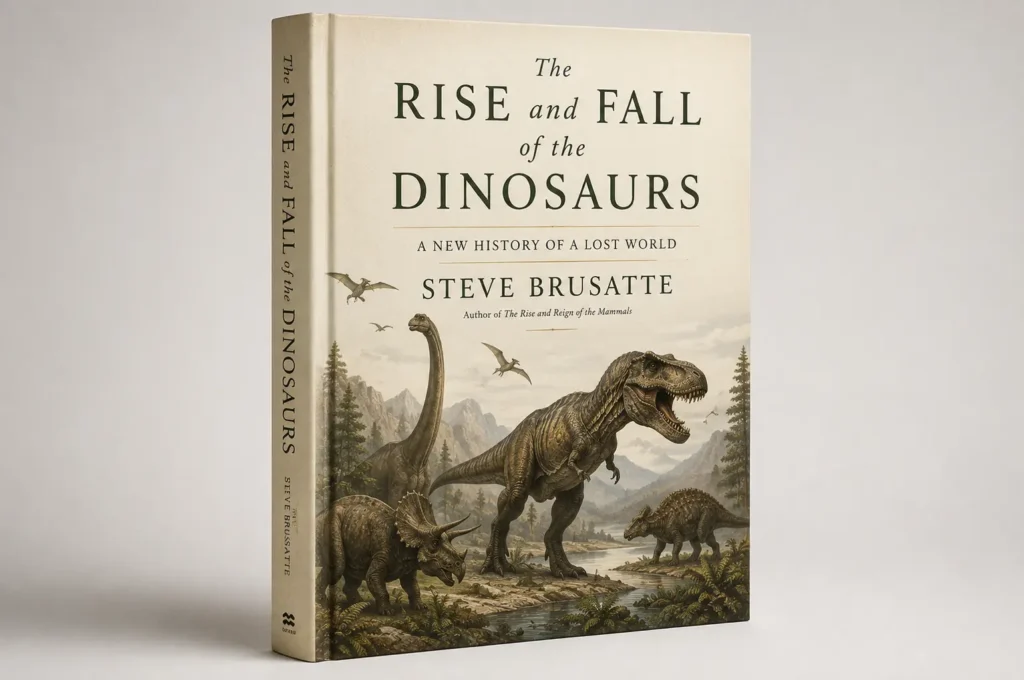
The Rise and Fall of the Dinosaurs
A compelling history of dinosaurs, tracing their origins, diversification, 200-million-year reign, extinction, and enduring legacy.
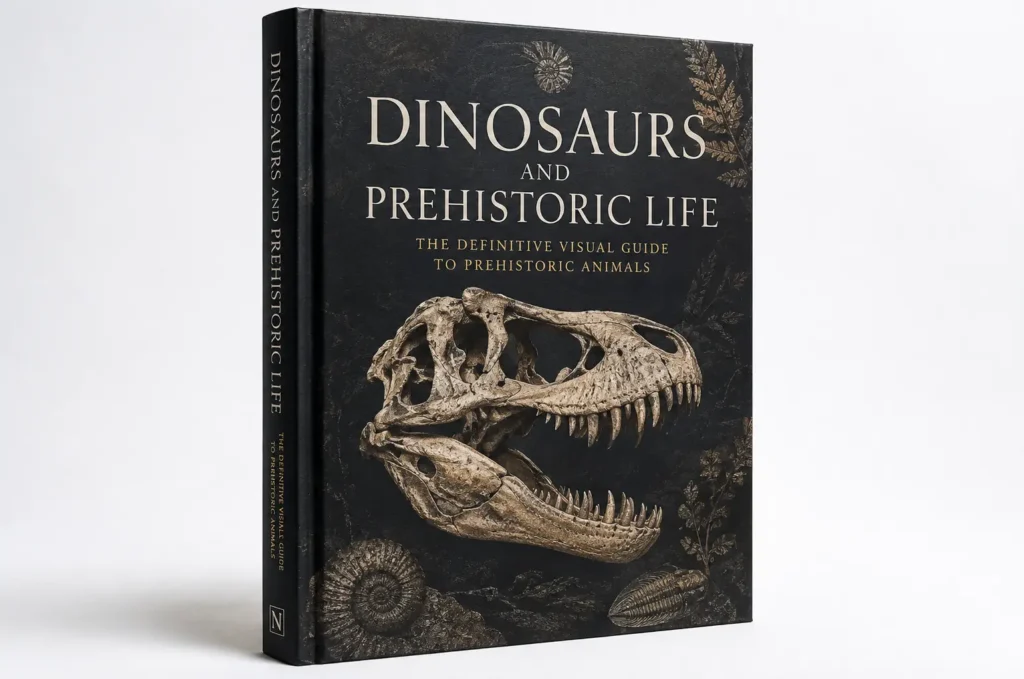
Dinosaurs and Prehistoric Life
A richly illustrated visual reference exploring dinosaurs, fossils, evolution, and prehistoric life across geological time.
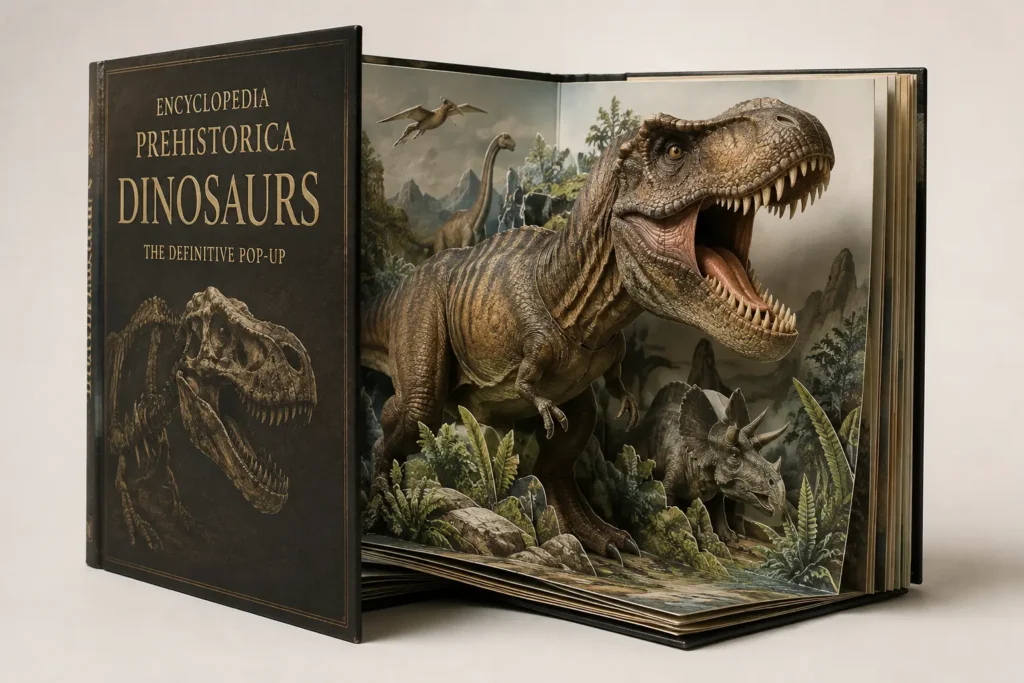
Encyclopedia Prehistorica: Dinosaurs
An interactive dinosaur book featuring spectacular three-dimensional pop-ups, particularly suited to young readers and families.
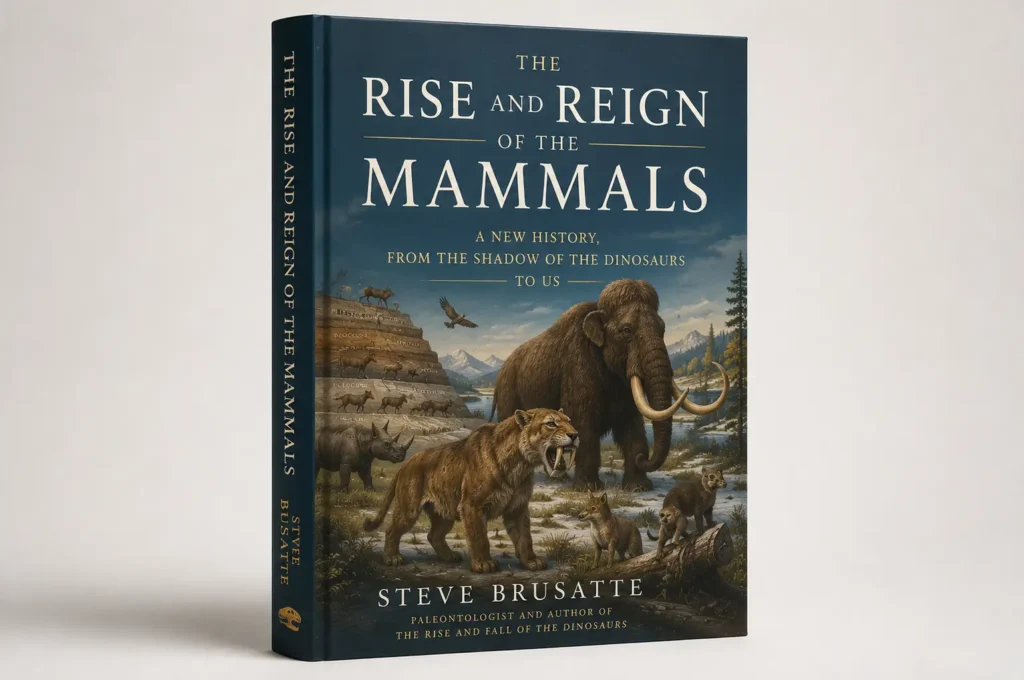
The Rise and Reign of the Mammals
A sweeping history of mammalian evolution, from their origins alongside dinosaurs through the Cenozoic and the emergence of humans.