

| Field | Information |
|---|---|
| Species | Diplodocus longus — Sauropoda, Diplodocidae |
| Period | Late Jurassic (Kimmeridgian–early Tithonian, approximately 154–149 million years ago) |
| Estimated length | 24–26 m (79–85 ft) |
| Estimated mass | Published mass estimates for Diplodocus vary substantially depending on specimen and modelling method, but many modern estimates place adult individuals broadly in the ~10–20 metric tonne range. |
| Distinguishing feature | Extremely elongated tail comprising roughly half total body length |
Quick Answer: Diplodocus was not the biggest dinosaur by mass—several other sauropods exceeded it in weight—but it ranks among the longest, with length estimates of 24–26 m (79–85 ft). Its exceptionally elongated tail accounts for much of that length. Patagotitan mayorum is generally interpreted as substantially heavier than Diplodocus, with published estimates commonly exceeding 50 metric tonnes depending on reconstruction method.
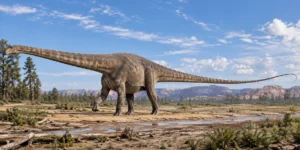
The skeleton of Diplodocus is one of the most studied of any sauropod. Its combination of extreme length, slender build, and near-horizontal posture makes it a recurring reference point for understanding sauropod body plans — and for correcting some of the oldest misconceptions in palaeontology.
Is Diplodocus the Biggest Dinosaur?
Diplodocus was not the biggest dinosaur by mass. It was, however, one of the longest animals to have walked the Earth, with well-supported length estimates of 24–26 m (79–85 ft) based on multiple well-preserved specimens. By comparison, titanosaur sauropods such as Patagotitan mayorum and giant titanosaurs such as Argentinosaurus huinculensis have been interpreted as substantially heavier, although mass estimates for these animals remain uncertain because of incomplete fossil material.
Mass estimates for Diplodocus are actively debated and have varied considerably across studies. Current estimates generally range from 10,000–16,000 kg (22,000–35,300 lb), reflecting differences in modelling methods and reference specimens. Diplodocus had a noticeably more slender body plan than many other large sauropods, significantly influencing volumetric mass reconstructions.
Within North America and the Morrison Formation specifically, Diplodocus was among the largest animals present. It shared that ecosystem with Brachiosaurus and Apatosaurus, both of which are generally interpreted as having greater body mass despite shorter or comparable overall lengths.
How Long Was Diplodocus?
Fossil evidence indicates a total body length of approximately 24–26 m (79–85 ft) for well-documented specimens, with some estimates for fragmentary material extending slightly beyond this range. Length reconstructions are supported by several well-preserved skeletons, including historically important Diplodocus carnegii specimens housed in museum collections. Length estimates exceeding 30 m (98 ft), which occasionally appear in popular sources, are not currently supported by verified skeletal material.
How Much Did Diplodocus Weigh?
Biomechanical estimates suggest a mass range of 10,000–16,000 kg (22,000–35,300 lb) for adult individuals, although mass estimation in large sauropods remains an active area of research. Different modelling approaches can produce substantially different results, and no single method has achieved universal acceptance. Consequently, individual mass estimates should be interpreted as approximations rather than precise values.
Diplodocus Neck Anatomy
The neck of Diplodocus was long but not the longest relative to body length among sauropods. Fossil evidence shows the neck accounted for a substantial proportion of total body length, extending several metres in large adults. It was constructed from fifteen elongated cervical vertebrae, each lightened by deep hollow chambers known as pleurocoels, which reduced mass without sacrificing structural integrity.
The resting posture of the neck remains an actively debated subject. Biomechanical interpretations often support a relatively low to moderately elevated resting position rather than the near-vertical neck poses common in older reconstructions, although exact habitual posture remains uncertain.
Cervical Vertebrae Structure
Each cervical vertebra in Diplodocus was elongated far beyond the proportions seen in most other animals. The neural spines—bony projections running along the top of each vertebra—were bifurcated, meaning they split into two prongs, creating a channel interpreted as accommodating ligamentous and muscular support structures involved in neck stabilisation. This arrangement may have reduced the muscular effort required to support the neck.
Diplodocus Tail Anatomy
The tail of Diplodocus is one of its most distinctive anatomical features. Fossil evidence indicates it possessed a very large number of caudal vertebrae, commonly reconstructed at around 70–80, depending on specimen completeness and interpretation, tapering progressively into a thin, whip-like distal section. This extraordinary structure accounted for roughly half of the animal’s total body length behind the hips, making it one of the most extreme tail proportions known among diplodocid sauropods.
Diplodocus Tail Function and Biomechanics
The distal portion of the Diplodocus tail—particularly the final third—became exceptionally slender and increasingly flexible toward the tip, creating the characteristic whip-like profile associated with diplodocid sauropods. This unusual anatomy has prompted biomechanical hypotheses suggesting potential roles in signalling or defence, although direct behavioural evidence is absent and the exact function remains uncertain. Structurally, the vertebrae in this region became progressively smaller and more delicate, strongly influencing interpretations of tail mechanics.
The tail also played an important biomechanical role as a counterbalance to the animal’s long neck, helping maintain overall stability and a near-horizontal body posture. Computer-based mass distribution models place the centre of mass roughly above or slightly behind the hindlimbs, supporting interpretations of a dynamically balanced body plan. Some biomechanical studies have suggested this balance may have made partial rearing possible under certain conditions, but such behaviour remains speculative and is not directly supported by fossil evidence.
Diplodocus Skeletal Proportions
The overall skeleton of Diplodocus reflects a body plan consistent with efficient large-scale foraging across broad areas. Its limbs were columnar and relatively similar in proportional length, with the forelimbs only slightly shorter than the hindlimbs, producing a generally level back rather than the elevated shoulder profile seen in sauropods such as Brachiosaurus. The skull was small relative to overall body size, lightly built, and carried at the end of a long neck.
Large adult individuals likely stood several metres tall at both the shoulder and hip, reinforcing the characteristic near-horizontal body axis of diplodocid sauropods. This overall posture is consistent with interpretations of Diplodocus as a predominantly low- to mid-level feeder, although exact feeding height and habitual neck posture remain subjects of ongoing scientific debate.
Related and Contemporary Species
- Apatosaurus — a fellow diplodocid from the Morrison Formation and one of Diplodocus‘s closest well-known relatives, distinguished by a more heavily built skeleton and generally greater body mass.
- Barosaurus — another closely related diplodocid sauropod, notable for proportionally longer cervical vertebrae and an even more elongated neck relative to body size.
- Brachiosaurus — a Morrison Formation contemporary belonging to the separate family Brachiosauridae, characterised by elevated shoulders, proportionally longer forelimbs, and generally greater body mass.
- Camarasaurus — one of the most abundant and best-represented sauropods from the Morrison Formation, differing from Diplodocus in its shorter neck, more robust body plan, and distinct feeding adaptations.
- Supersaurus — a giant diplodocid sauropod known from relatively fragmentary remains, with some reconstructions suggesting total lengths that may have exceeded those of Diplodocus, although exact estimates remain uncertain.
Frequently Asked Questions
Was Diplodocus bigger than T. rex?
Yes, Diplodocus was substantially larger than Tyrannosaurus rex in total length. At approximately 24–26 m (79–85 ft), Diplodocus was roughly twice as long as the largest known T. rex individuals, which measured around 12–13 m (39–43 ft). Diplodocus also generally exceeded T. rex in body mass, although exact comparisons vary depending on the estimation methods applied to each species. The two dinosaurs were separated by roughly 80 million years, with Diplodocus living during the Late Jurassic and T. rex during the Late Cretaceous.
How does Diplodocus compare in size to a blue whale?
In total length, Diplodocus was broadly comparable to a modern blue whale, with both reaching approximately 24–27 m (79–89 ft) in large individuals. Blue whales, however, greatly exceeded Diplodocus in body mass, with large adults commonly reaching 100–150 metric tonnes. Even the largest published mass estimates for Diplodocus are only a fraction of those recorded for modern blue whales.
Note
Body mass estimates for large sauropods, as well as interpretations of neck posture, tail function, and biomechanics, remain active areas of scientific research. Figures presented here reflect widely accepted current interpretations but may be refined as new evidence emerges.
Conclusion
Diplodocus was not the heaviest dinosaur known, but it remains one of the longest animals identified in the fossil record. Its elongated neck, exceptionally long whip-like tail, lightly built skull, and distinctive diplodocid body plan have made it one of the most intensively studied sauropods. As a result, Diplodocus continues to play an important role in scientific understanding of sauropod anatomy, biomechanics, and Late Jurassic ecosystems.
A. Primary Taxonomic Sources
Corrected citation format:
Marsh, O.C., 1878. Principal characters of American Jurassic dinosaurs. Part I. American Journal of Science and Arts, Series 3, 16(95), pp.411–416.
B. Peer-Reviewed Literature
These are appropriate and directly relevant to the article’s anatomy, biomechanics, neck posture, tail function, and diplodocid taxonomy:
- Henderson, D.M., 2006. Burly gaits: centers of mass, stability, and the trackways of sauropod dinosaurs. Journal of Vertebrate Paleontology, 26(4), pp.907–921.
- Myhrvold, N.P. and Currie, P.J., 1997. Supersonic sauropods? Tail dynamics in the diplodocids. Paleobiology, 23(4), pp.393–409.
- Taylor, M.P., Wedel, M.J. and Naish, D., 2009. Head and neck posture in sauropod dinosaurs inferred from extant animals. Acta Palaeontologica Polonica, 54(2), pp.213–220.
- Tschopp, E., Mateus, O. and Benson, R.B.J., 2015. A specimen-level phylogenetic analysis and taxonomic revision of Diplodocidae (Dinosauria, Sauropoda). PeerJ, 3:e857. https://doi.org/10.7717/peerj.857
Recommended Paleontology & Natural History Books
As an Amazon Associate, Extinct Atlas may earn from qualifying purchases.
The Rise and Fall of the Dinosaurs
A compelling history of dinosaurs, tracing their origins, diversification, 200-million-year reign, extinction, and enduring legacy.
Dinosaurs and Prehistoric Life
A richly illustrated visual reference exploring dinosaurs, fossils, evolution, and prehistoric life across geological time.
Encyclopedia Prehistorica: Dinosaurs
An interactive dinosaur book featuring spectacular three-dimensional pop-ups, particularly suited to young readers and families.
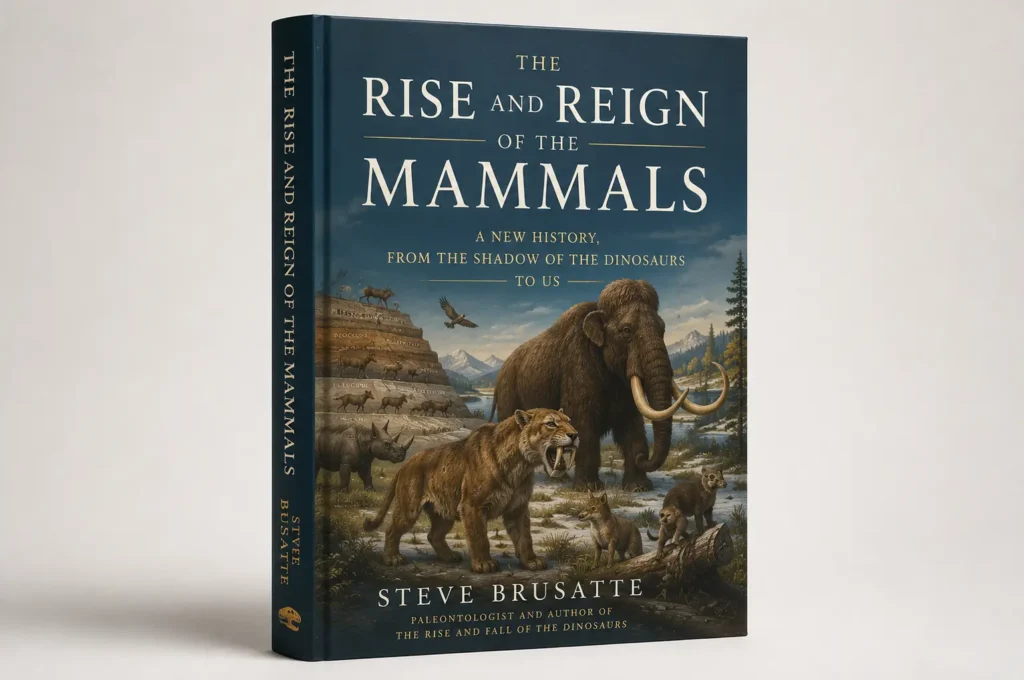
The Rise and Reign of the Mammals
A sweeping history of mammalian evolution, from their origins alongside dinosaurs through the Cenozoic and the emergence of humans.
Recommended Models
As an Amazon Associate I earn from qualifying purchases.
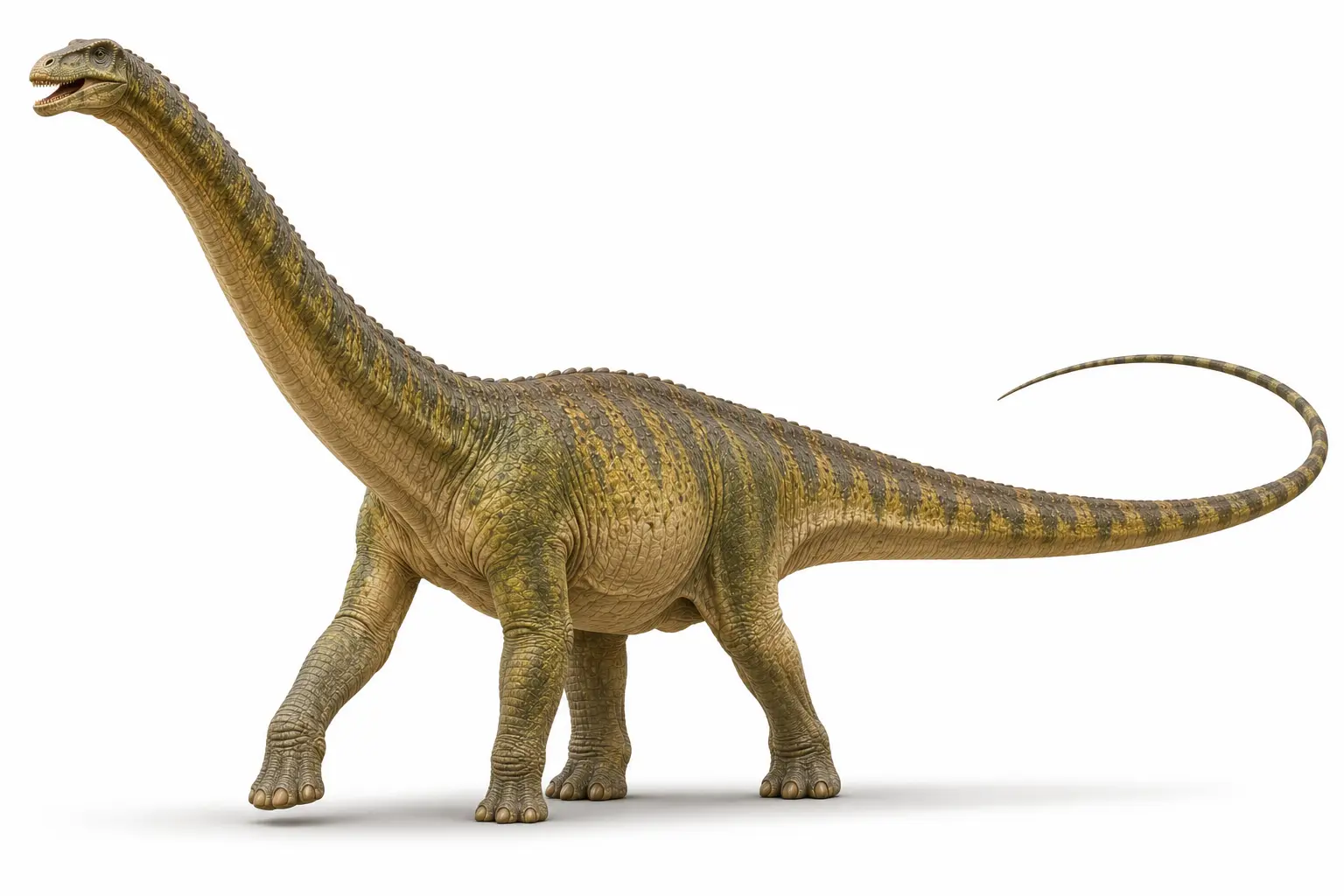
CollectA Diplodocus – Hand-Painted Dinosaur Display Model
Manufacturer: CollectA
A detailed CollectA Diplodocus display model featuring a long neck, elongated whip-like tail, and hand-painted naturalistic markings. Designed with a dynamic pose and paleontologist-approved anatomical details, it is a strong choice for dinosaur enthusiasts, collectors, and readers exploring sauropods and their palaeobiology.
View on Amazon