

Quick Info
| Field | Information |
|---|---|
| Species | Mammuthus primigenius — Proboscidea, Elephantidae |
| Period | Pleistocene–Holocene, approximately 400,000–4,000 years ago |
| Diet category | Herbivore — primary grazer with a seasonal browse component |
| Primary food sources | Grasses, sedges, and herbaceous plants |
| Evidence types | Dental microwear, stable isotope analysis, gut contents, coprolites, and pollen |
Quick Answer
Woolly mammoths primarily consumed grasses, sedges, and herbaceous plants, supplemented seasonally by shrubs and other woody vegetation. This dietary reconstruction is supported by multiple independent lines of evidence, including gut contents preserved in frozen specimens, dental wear patterns, stable isotope analysis of bone collagen, and plant remains recovered from fossilised dung.

Frozen in Siberian permafrost for thousands of years, some woolly mammoth carcasses have preserved portions of their final meals. These exceptional fossils provide direct evidence of what mammoths ate and confirm conclusions previously inferred from their teeth, bones, and ecological setting. The woolly mammoth was fundamentally a grazing herbivore adapted to exploit the productive grassland ecosystems of the mammoth steppe.
What Did Woolly Mammoths Eat?
Woolly mammoths were predominantly grazers that fed on the grasses and sedges characteristic of the mammoth-steppe ecosystem. Direct fossil evidence from frozen Siberian specimens documents the consumption of grasses, sedges, and a variety of herbaceous plants. Stable isotope analyses of bone collagen from specimens across Eurasia and North America are consistent with a diet dominated by C3 grasses and other herbaceous vegetation typical of cold Pleistocene grasslands.
Dental anatomy supports this interpretation. The high-crowned, ridged molars of woolly mammoths were specialised for processing abrasive vegetation rich in silica, particularly grasses. This tooth design, known as hypsodont lophodont dentition, evolved independently in several grazing herbivore groups and represents a highly effective adaptation for long-term grass consumption.
Seasonal Diet Variation
Woolly mammoths likely adjusted their diet according to seasonal availability. Evidence from preserved plant remains, combined with comparisons to modern elephants, suggests that summer and autumn provided the greatest diversity of food resources, including grasses, sedges, herbaceous plants, and locally available shrubs.
Winter foraging was more restricted. Tusk wear patterns and biomechanical studies have been interpreted as evidence that mammoths may have used their tusks to move snow and expose vegetation beneath. During winter, diets were probably dominated by dried grasses and sedges, supplemented by woody vegetation when more nutritious forage was unavailable.
Although the broad outlines of seasonal feeding behaviour are well supported, the precise composition of winter diets likely varied across regions and climatic conditions throughout the mammoth’s extensive geographic range.
How Do Scientists Know What Woolly Mammoths Ate?
Multiple independent lines of evidence converge on a remarkably consistent picture of the woolly mammoth diet.
Gut Contents
Exceptional preservation in Siberian permafrost has produced woolly mammoth specimens containing partially preserved stomach and intestinal contents. Botanical analyses of these materials have identified grasses, sedges, and other herbaceous plants consumed shortly before death. These rare specimens provide some of the most direct dietary evidence available for any extinct large mammal.
Dental Microwear
Microscopic wear patterns preserved on mammoth molars provide another line of evidence. Under high magnification, tooth surfaces display scratches and pits produced by food particles during chewing. Woolly mammoths typically exhibit scratch-dominated microwear patterns consistent with the regular consumption of abrasive grasses and other herbaceous vegetation, rather than the heavier pitting often associated with browse-dominated diets.
Stable Isotope Analysis
Carbon and nitrogen isotope ratios preserved in bone collagen record dietary signals accumulated over an animal’s lifetime. Woolly mammoth isotope data from specimens across Eurasia and North America are consistent with diets dominated by C3 grasses and other herbaceous plants characteristic of mammoth-steppe ecosystems. These results broadly agree with evidence from gut contents and dental wear.
Coprolites and Dung
Fossilised dung attributed to mammoths has been analysed for pollen, seeds, and plant fragments. These remains provide additional evidence for the types of vegetation available within mammoth habitats and are generally consistent with palaeobotanical reconstructions of cold, grass-dominated steppe environments.
Together, gut contents, dental microwear, stable isotopes, and coprolite studies all support the conclusion that woolly mammoths were primarily grazing herbivores adapted to open Pleistocene grasslands.
How Much Did Woolly Mammoths Eat?
No direct fossil evidence records the daily food intake of woolly mammoths. Estimates are therefore derived from body-mass scaling and comparisons with living elephants.
Large adult mammoths likely required well over 100 kg (220 lb) of vegetation per day, with some biomechanical and metabolic models suggesting intake values approaching 180 kg (400 lb) daily for the largest individuals. These figures should be regarded as approximations rather than precise measurements because they depend on assumptions about metabolism, activity levels, and food quality.
The mammoth steppe appears to have been substantially more productive than modern Arctic tundra. Palaeobotanical evidence indicates extensive grasslands with relatively high biomass and nutritional value, helping to support the large herbivore populations characteristic of Late Pleistocene ecosystems.
Did Woolly Mammoths Drink Water or Eat Snow?
No direct fossil evidence documents how woolly mammoths obtained water. However, comparison with modern elephants strongly suggests that regular access to water was essential throughout the year.
During warmer seasons, rivers, lakes, wetlands, and seasonal water bodies would have provided reliable sources of drinking water across much of the mammoth’s range. During winter, mammoths may have supplemented their water intake by consuming snow or accessing ice-covered water sources. This interpretation is based on comparisons with living cold-climate mammals and modern elephant behaviour rather than direct fossil evidence.
Regardless of the specific method, woolly mammoths would have required substantial quantities of water to support their large body size and herbivorous lifestyle.
Related and Contemporary Species
- Coelodonta antiquitatis (woolly rhinoceros) — a major grazer of the mammoth-steppe ecosystem that shared broad dietary overlap with woolly mammoths across Eurasia.
- Equus ferus (wild horse or cave horse) — a Pleistocene horse that occupied similar grassland habitats and consumed many of the same plant resources as woolly mammoths.
- Bison priscus (steppe bison) — a large grazing herbivore that co-occurred with woolly mammoths across Eurasian and North American steppe environments.
- Mammut americanum (American mastodon) — a woodland browser that specialised in leaves, twigs, and other woody vegetation, contrasting sharply with the mammoth’s predominantly grazing ecology.
- Rangifer tarandus (reindeer/caribou) — a living Arctic and sub-Arctic herbivore that provides a useful modern comparison for seasonal feeding behaviour in cold environments.
Frequently Asked Questions
Did woolly mammoths eat trees?
Woolly mammoths primarily consumed grasses, sedges, and other herbaceous plants rather than trees. Stable isotope analyses, dental microwear studies, and preserved gut contents consistently indicate a grass-dominated diet. Woody vegetation was likely consumed opportunistically, particularly during winter or in regions where shrubs were abundant, but trees were not a primary food resource in the way they were for browsing species such as the American mastodon.
How do scientists know what woolly mammoths ate?
Scientists reconstruct the woolly mammoth’s diet using several independent forms of evidence. Preserved gut contents from frozen specimens provide direct records of recently consumed plants. Dental microwear analysis reveals the physical properties of foods processed by the teeth. Stable carbon and nitrogen isotope ratios preserved in bone collagen provide long-term dietary signals, while pollen and plant remains recovered from fossilised dung help reconstruct both diet and habitat. The agreement among these different methods provides strong support for a predominantly grazing lifestyle.
Note: Estimates of daily food intake, the exact composition of winter diets, and the identification of individual plant species from gut-content studies continue to be refined as new specimens and analytical techniques become available. The broad conclusion that woolly mammoths were primarily grazers, however, is supported by multiple independent lines of evidence.
Conclusion
The woolly mammoth’s diet was both specialised and flexible. Grasses and sedges formed the foundation of its feeding ecology, supplemented by seasonally available herbaceous plants, shrubs, and limited woody browse. Few extinct mammals are understood as well from a dietary perspective. The fossil record preserves not only the teeth that processed mammoth food, but in exceptional cases the food itself, making the woolly mammoth one of the best-documented herbivores of the Pleistocene.
References
B. Peer-Reviewed Literature
Bocherens, H., Drucker, D.G., Billiou, D., Geneste, J.-M. and van der Plicht, J., 2006. Bears and humans in Chauvet Cave (Vallon-Pont-d’Arc, Ardèche, France): insights from stable isotopes and radiocarbon dating of bone collagen. Journal of Human Evolution, 50(3), pp.370–376.
Bocherens, H., 2015. Isotopic tracking of large herbivore palaeoecology in Late Pleistocene mammoth-steppe ecosystems. Quaternary Science Reviews, 117, pp.42–71.
Rivals, F., Semprebon, G.M., Lister, A.M. and Solounias, N., 2010. A comparison of dental wear patterns in Pleistocene mammoths and extant elephants: implications for mammoth feeding ecology. Quaternary International, 255, pp.188–195.
van Geel, B., Mol, D., Tikhonov, A.N., van der Plicht, J., van Reenen, G.B. and Pals, J.P., 2011. Paleo-environmental and dietary analysis of intestinal contents of a Late Pleistocene woolly mammoth from north-eastern Siberia. Quaternary Science Reviews, 30(27–28), pp.3935–3946.
C. Monographs, Books, and Technical Reports
Lister, A.M. and Bahn, P., 2007. Mammoths: Giants of the Ice Age. Revised Edition. University of California Press, Berkeley.
Haynes, G., 1991. Mammoths, Mastodonts, and Elephants: Biology, Behavior, and the Fossil Record. Cambridge University Press, Cambridge.
D. Databases and Online Resources
Yukon Beringia Interpretive Centre. Educational resources on woolly mammoths, mammoth-steppe ecology, and Pleistocene environments.
Paleobiology Database. Occurrence and distribution records for Mammuthus primigenius and associated Pleistocene fauna.
Recommended Paleontology & Natural History Books
As an Amazon Associate, Extinct Atlas may earn from qualifying purchases.
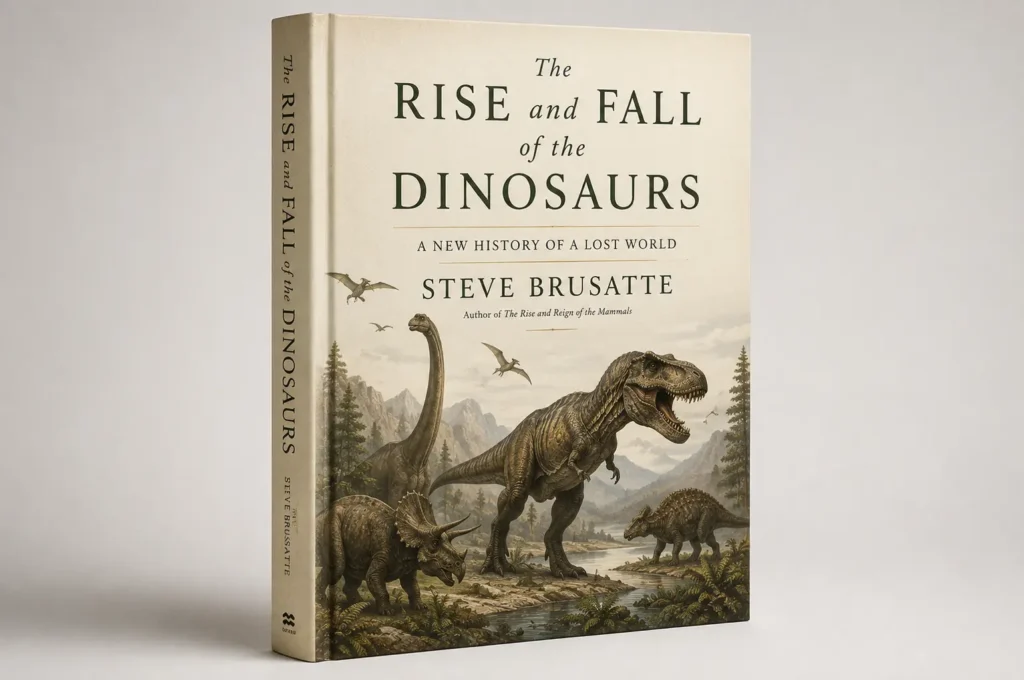
The Rise and Fall of the Dinosaurs
A compelling history of dinosaurs, tracing their origins, diversification, 200-million-year reign, extinction, and enduring legacy.
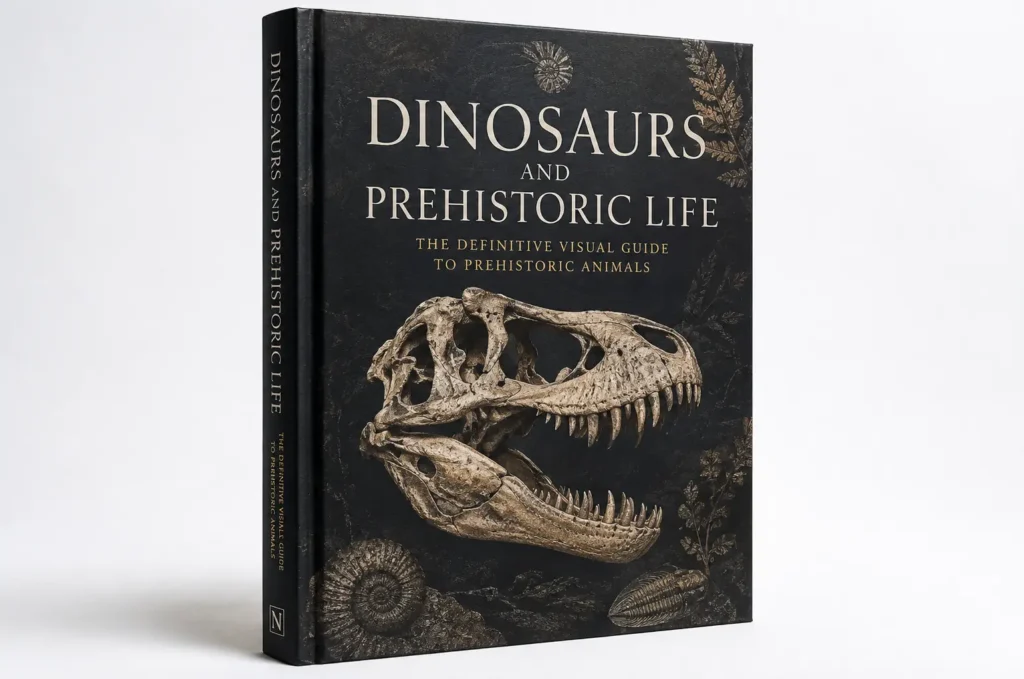
Dinosaurs and Prehistoric Life
A richly illustrated visual reference exploring dinosaurs, fossils, evolution, and prehistoric life across geological time.
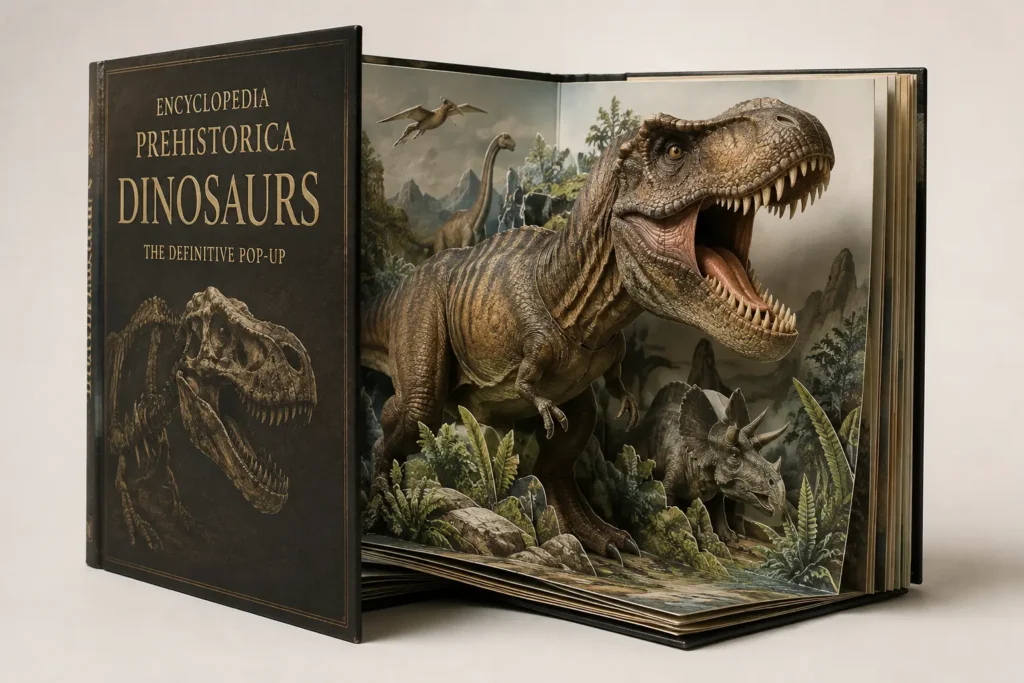
Encyclopedia Prehistorica: Dinosaurs
An interactive dinosaur book featuring spectacular three-dimensional pop-ups, particularly suited to young readers and families.
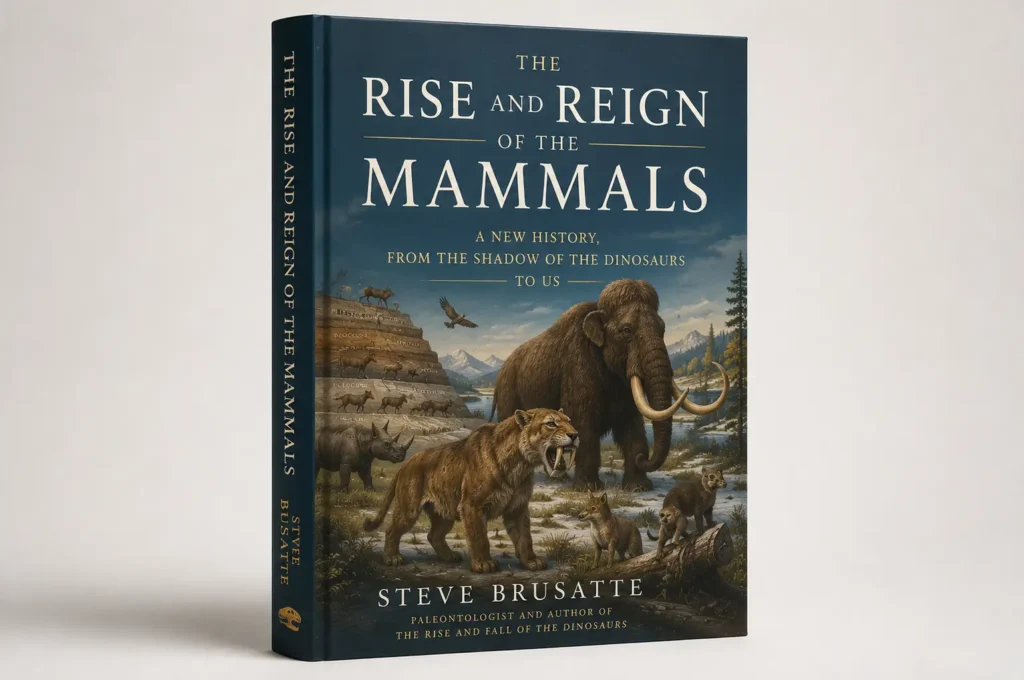
The Rise and Reign of the Mammals
A sweeping history of mammalian evolution, from their origins alongside dinosaurs through the Cenozoic and the emergence of humans.