

Quick Information

| Field | Information |
|---|---|
| Species | Mammuthus primigenius — Proboscidea, Elephantidae |
| Period | Pleistocene–Holocene, approximately 400,000–4,000 years ago |
| Shoulder Height (Males) | 2.7–3.4 m (8.9–11.2 ft) |
| Body Mass (Males) | 5,500–8,000 kg (12,100–17,600 lb) |
| Maximum Known Tusk Length | More than 4 m (13 ft) in exceptional individuals |
Quick Answer
Woolly mammoths stood approximately 2.7–3.4 metres (8.9–11.2 ft) at the shoulder and weighed between 5,500 and 8,000 kilograms (12,100–17,600 lb) in large adult males. Females were considerably smaller. Although broadly comparable in size to modern elephants, woolly mammoths possessed a more compact, cold-adapted body plan characterized by a domed skull, reduced ears, a shortened tail, and a dense insulating coat.
A mature male woolly mammoth was among the most imposing mammals of the Ice Age. Weighing as much as a large truck and equipped with enormous curved tusks, it was built to survive the extreme conditions of the mammoth steppe. Virtually every aspect of its anatomy reflects adaptation to life in cold northern environments.
How Big Was the Woolly Mammoth?
Woolly mammoths were similar in overall size to many modern African elephants but differed noticeably in body proportions. Fossil skeletons reveal a steeply domed skull, elevated shoulders, relatively short ears, and a shortened tail. Together, these features reduced heat loss and helped the species thrive in Arctic and sub-Arctic climates.
Like modern elephants, woolly mammoths exhibited pronounced sexual dimorphism. Adult males typically stood between 2.7 and 3.4 metres (8.9–11.2 ft) at the shoulder, while females generally reached 2.0–2.6 metres (6.6–8.5 ft). Body-mass estimates suggest that males commonly weighed between 5,500 and 8,000 kilograms (12,100–17,600 lb), whereas females were substantially lighter, typically ranging from approximately 3,000 to 4,700 kilograms (6,600–10,400 lb).
Although these figures represent typical adult animals, considerable variation existed between individuals, populations, and geographic regions.
The Shoulder Hump
One of the woolly mammoth’s most recognizable features was its elevated shoulder profile. This characteristic was created in part by the elongated neural spines of the thoracic vertebrae, which provided attachment sites for powerful neck and shoulder muscles.
Evidence from exceptionally preserved specimens suggests that the shoulder region also contained substantial soft tissue, including fat deposits. These reserves may have functioned as an energy store during periods of food scarcity, although the precise contribution of fat versus muscle to the hump’s external appearance remains uncertain.
The combination of skeletal structure and soft tissue produced the distinctive silhouette seen in both fossil reconstructions and preserved mammoth remains recovered from Siberian permafrost.
Body Size Variation Across the Range
Woolly mammoths were not identical across their vast geographic range. Fossil evidence from Eurasia and North America indicates moderate variation in body size between populations, influenced by regional environmental conditions, food availability, and evolutionary history.
Some northern populations appear to have been particularly robust, while others were somewhat smaller. As with modern elephants, age, sex, and local ecological conditions contributed substantially to individual variation, making precise comparisons between populations difficult.
The final population on Wrangel Island was generally smaller than many mainland mammoths. This size reduction is commonly associated with long-term island isolation, where limited resources can favour smaller body sizes over evolutionary time. However, Wrangel mammoths remained substantial animals and should not be regarded as miniature descendants of their mainland ancestors.
Overall, woolly mammoths exhibited geographic variation in size while retaining the distinctive body proportions and cold-adapted anatomy characteristic of the species.
Woolly Mammoth Tusk Size and Function
Woolly mammoth tusks were enlarged upper incisor teeth, homologous to the tusks of modern elephants. Both males and females possessed tusks, although those of males were typically much larger and more strongly curved.
Exceptional specimens preserve tusks exceeding 4 metres (13 ft) in length, among the largest known in any mammoth species. These tusks grew continuously throughout life and served multiple functions, including foraging, display, and social interactions.
One of the most distinctive features of woolly mammoth tusks was their pronounced spiral curvature. This characteristic shape is consistently observed across fossil specimens and distinguishes the species from many other mammoths. Researchers have proposed that tusks may have been used to move snow while foraging during winter, although direct evidence for this specific behaviour remains limited.
Wear patterns on fossil tusks indicate frequent contact with soil and vegetation, suggesting an important role in feeding activities. Tusks also likely functioned in competition between individuals, particularly males, as supported by healed injuries and skeletal damage consistent with tusk-related combat.
Tusk Growth and Age
Like the tusks of living elephants, woolly mammoth tusks grew continuously throughout life. Their internal structure preserves annual and seasonal growth layers that can be studied in much the same way as tree rings.
Analysis of these growth records has provided remarkable insights into mammoth biology. Researchers have used tusk growth layers to estimate age at death, reconstruct seasonal movements, identify periods of nutritional stress, and investigate aspects of reproductive history in female mammoths.
As a result, mammoth tusks represent one of the most valuable sources of information about the life histories of individual Ice Age animals.
Woolly Mammoth Coat and Cold-Adaptation Anatomy
Exceptionally preserved remains recovered from Siberian permafrost provide direct evidence of the woolly mammoth’s external appearance and adaptations to cold environments.
The coat consisted of multiple layers, including a dense insulating undercoat covered by longer guard hairs that could reach considerable lengths. Preserved specimens indicate that coat colour varied, ranging from dark brown to lighter brown or yellowish shades. Combined with a substantial layer of body fat beneath the skin, this insulation helped mammoths maintain body temperature in the harsh climates of the mammoth steppe.
Several anatomical features reduced heat loss. Compared with modern elephants, woolly mammoths possessed much smaller ears and shorter tails, reducing the amount of exposed surface area vulnerable to freezing temperatures. Their compact body proportions further improved heat retention.
The trunk remained a highly versatile feeding and sensory organ. Evidence from soft-tissue preservation and skeletal anatomy suggests that woolly mammoths possessed a finger-like projection at the tip of the trunk, similar in function to those of living elephants, allowing precise manipulation of vegetation and other objects.
Together, the coat, fat reserves, reduced extremities, and specialised body proportions made the woolly mammoth one of the most cold-adapted large mammals ever to evolve.
How Does the Woolly Mammoth Compare to Modern Elephants?
The woolly mammoth’s closest living relative is the Asian elephant (Elephas maximus), a relationship confirmed by both anatomical and genomic evidence. For size comparisons, however, the African savanna elephant (Loxodonta africana) provides the most useful modern benchmark because it is the largest living land animal.
Although woolly mammoths and modern elephants belonged to the same family, they differed noticeably in body proportions and adaptations. Mammoths possessed a high-domed skull, elevated shoulders, shorter ears, a shortened tail, and a dense insulating coat, all of which were adaptations to life in cold environments.
Size Comparison
| Feature | Woolly Mammoth (Male) | African Savanna Elephant (Male) | Asian Elephant (Male) |
|---|---|---|---|
| Shoulder Height | 2.7–3.4 m (8.9–11.2 ft) | Typically 3.0–4.0 m (9.8–13.1 ft) | Typically 2.5–3.5 m (8.2–11.5 ft) |
| Body Mass | 5,500–8,000 kg (12,100–17,600 lb) | Typically 4,000–7,000 kg (8,800–15,400 lb) | Typically 3,000–6,000 kg (6,600–13,200 lb) |
| Tusks | Long, strongly curved; exceptional specimens exceeded 4 m (13 ft) | Long, generally straighter than mammoth tusks | Usually shorter; prominent primarily in males |
| Ear Size | Small | Very large | Intermediate |
| Body Covering | Dense insulating fur | Sparse hair | Sparse hair |
| Skull Profile | High-domed | More rounded | Moderately domed |
These figures represent typical adult ranges rather than absolute maxima. Considerable variation occurred within all three species, and exceptionally large individuals may fall outside the values shown.
In terms of height, the largest African savanna elephants generally exceeded woolly mammoths. In terms of overall build, however, woolly mammoths were often more compact and heavily constructed, reflecting their adaptation to cold environments. As a result, some large male mammoths may have approached or exceeded the body mass of similarly sized African elephants despite being slightly shorter at the shoulder.
The most obvious difference was external appearance. Unlike modern elephants, woolly mammoths possessed a thick insulating coat, substantial body-fat reserves, and greatly reduced ears and tails—features that helped conserve heat in Ice Age climates.
Related and Contemporary Species
Steppe Mammoth (Mammuthus trogontherii)
The steppe mammoth was the direct evolutionary predecessor of the woolly mammoth and among the largest mammoth species known. Some individuals reached shoulder heights well above those typical of woolly mammoths, making them among the largest land mammals of the Pleistocene.
Columbian Mammoth (Mammuthus columbi)
A close North American relative of the woolly mammoth, the Columbian mammoth inhabited more temperate environments and generally attained larger average body sizes. Some males reached approximately 4 metres (13 ft) at the shoulder.
African Savanna Elephant (Loxodonta africana)
The largest living land animal, the African savanna elephant, provides the most familiar modern comparison for woolly mammoth size, anatomy, and behaviour.
Asian Elephant (Elephas maximus)
The woolly mammoth’s closest living relative. Shared anatomical traits include a relatively domed skull, complex social behaviour, long gestation periods, and similar patterns of growth and reproduction.
American Mastodon (Mammut americanum)
Although often associated with mammoths, mastodons belonged to a separate proboscidean lineage and occupied different ecological niches. They were broadly comparable in size to smaller mammoths but possessed distinct skulls, teeth, and feeding adaptations.
Frequently Asked Questions
Are woolly mammoths related to elephants?
Yes. Woolly mammoths belonged to the family Elephantidae and were closely related to modern elephants. Genetic and anatomical evidence identify the Asian elephant (Elephas maximus) as the woolly mammoth’s closest living relative.
Mammoths and modern elephants descended from a common ancestor several million years ago and subsequently evolved along separate evolutionary paths. As a result, mammoths were not the ancestors of living elephants; instead, both groups represent distinct branches of the elephant family tree.
Although separated by thousands of generations, woolly mammoths and Asian elephants retained many similarities in anatomy, behaviour, reproduction, and social structure. At the same time, mammoths evolved a suite of specialized adaptations—including dense fur, reduced ears, and extensive fat reserves—that enabled them to thrive in the cold environments of the mammoth steppe.
Scientific Note
Body-mass estimates, tusk functions, and certain aspects of soft-tissue anatomy remain subjects of ongoing research. New fossil discoveries, improved analytical techniques, and advances in ancient DNA studies continue to refine scientific understanding of woolly mammoth biology. The information presented here reflects current evidence and broadly accepted interpretations but may be revised as new data become available.
Conclusion
The woolly mammoth was far more than a modern elephant covered in fur. It was a highly specialized Ice Age herbivore whose anatomy reflected hundreds of thousands of years of adaptation to cold, open grassland environments.
Its domed skull, elevated shoulders, reduced ears and tail, dense insulating coat, substantial fat reserves, and enormous curved tusks formed an integrated suite of adaptations that allowed the species to survive some of the harshest climates inhabited by any large terrestrial mammal.
Understanding the woolly mammoth’s size, proportions, and anatomy provides important context for interpreting its behaviour, ecology, and evolutionary history. From its towering stature to its remarkable cold-weather adaptations, the species remains one of the most recognizable and extensively studied mammals of the Pleistocene.
References
Peer-Reviewed Literature
Fisher, D.C. (2009). Paleobiology and extinction of Proboscideans in the Great Lakes region of North America. In: Haynes, G. (Ed.), American Megafaunal Extinctions at the End of the Pleistocene (pp. 55–75). Springer.
Lister, A.M., & Stuart, A.J. (2008). The impact of climate change on large mammal distribution and extinction: Evidence from the Late Quaternary. Philosophical Transactions of the Royal Society B: Biological Sciences, 363, 2211–2224.
Palkopoulou, E., Lipson, M., Mallick, S., et al. (2018). A comprehensive genomic history of extinct and living elephants. Proceedings of the National Academy of Sciences, 115(11), E2566–E2574.
van der Valk, T., Pečnerová, P., Díez-del-Molino, D., et al. (2021). Million-year-old DNA sheds light on the genomic history of mammoths. Nature, 591, 265–269. https://doi.org/10.1038/s41586-021-03224-9
Rogers, R.L., & Slatkin, M. (2017). Excess of genomic defects in a woolly mammoth on Wrangel Island. PLoS Genetics, 13(3), e1006601.
Palkopoulou, E., Mallick, S., Skoglund, P., et al. (2015). Complete genomes reveal signatures of demographic and genetic declines in the woolly mammoth. Current Biology, 25(10), 1395–1400.
Books and Monographs
Lister, A.M., & Bahn, P. (2007). Mammoths: Giants of the Ice Age (Revised Edition). University of California Press.
Stuart, A.J. (2021). Vanished Giants: The Lost World of the Ice Age. University of Chicago Press.
Shapiro, B. (2015). How to Clone a Mammoth: The Science of De-Extinction. Princeton University Press.
Further Reading and Reference Resources
Smithsonian National Museum of Natural History — General background information on mammoths, elephants, and Pleistocene ecosystems.
American Museum of Natural History — Educational resources on mammoths, Ice Age environments, and proboscidean evolution.
Recommended Paleontology & Natural History Books
As an Amazon Associate, Extinct Atlas may earn from qualifying purchases.
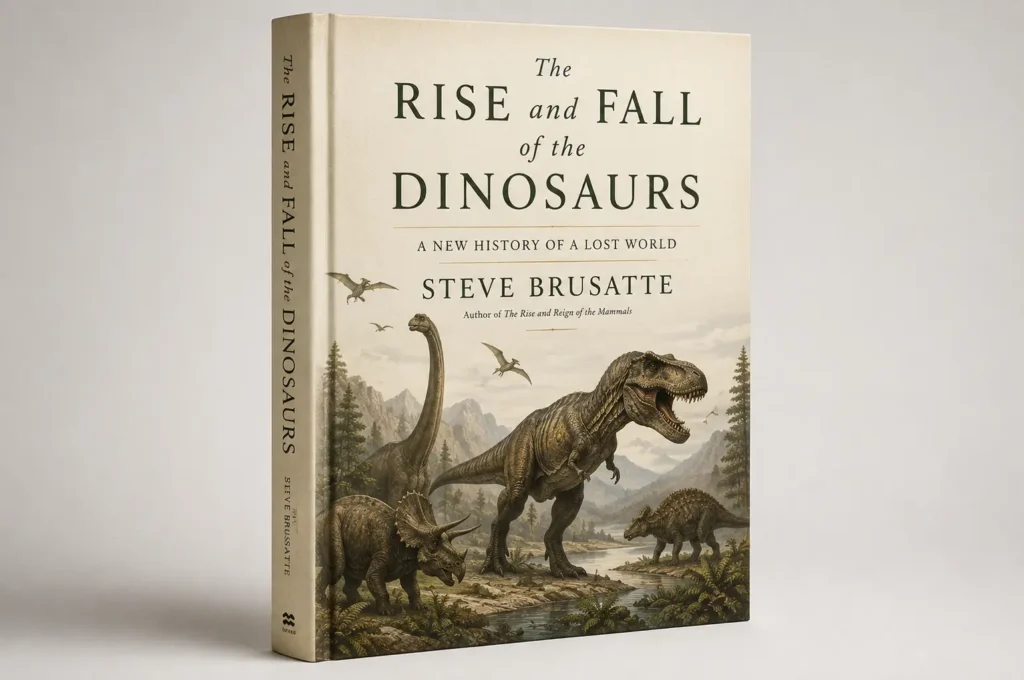
The Rise and Fall of the Dinosaurs
A compelling history of dinosaurs, tracing their origins, diversification, 200-million-year reign, extinction, and enduring legacy.
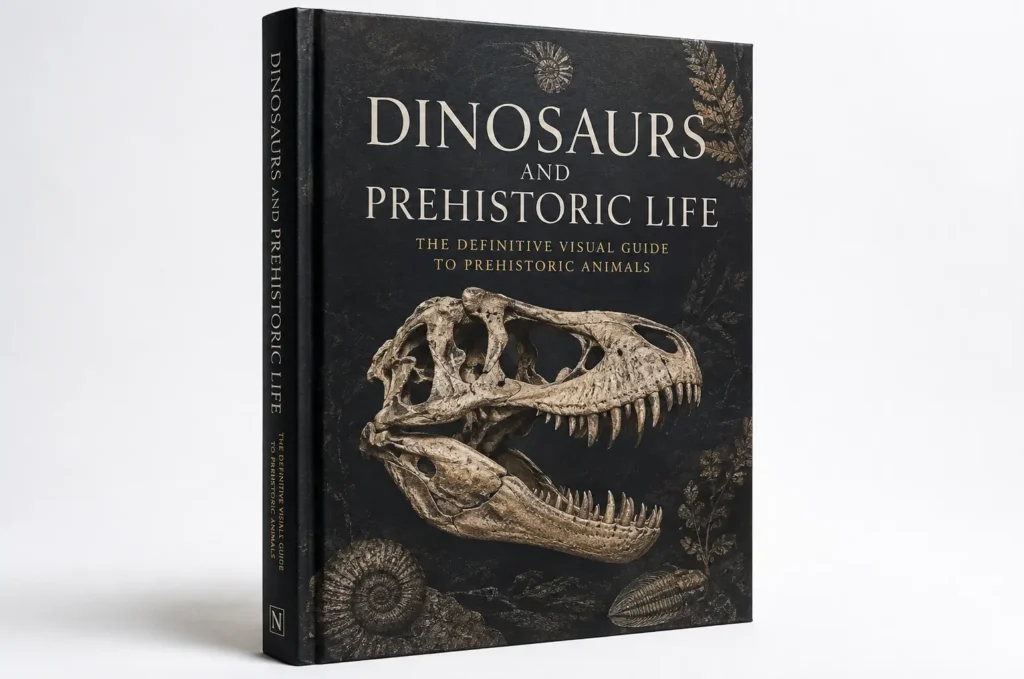
Dinosaurs and Prehistoric Life
A richly illustrated visual reference exploring dinosaurs, fossils, evolution, and prehistoric life across geological time.
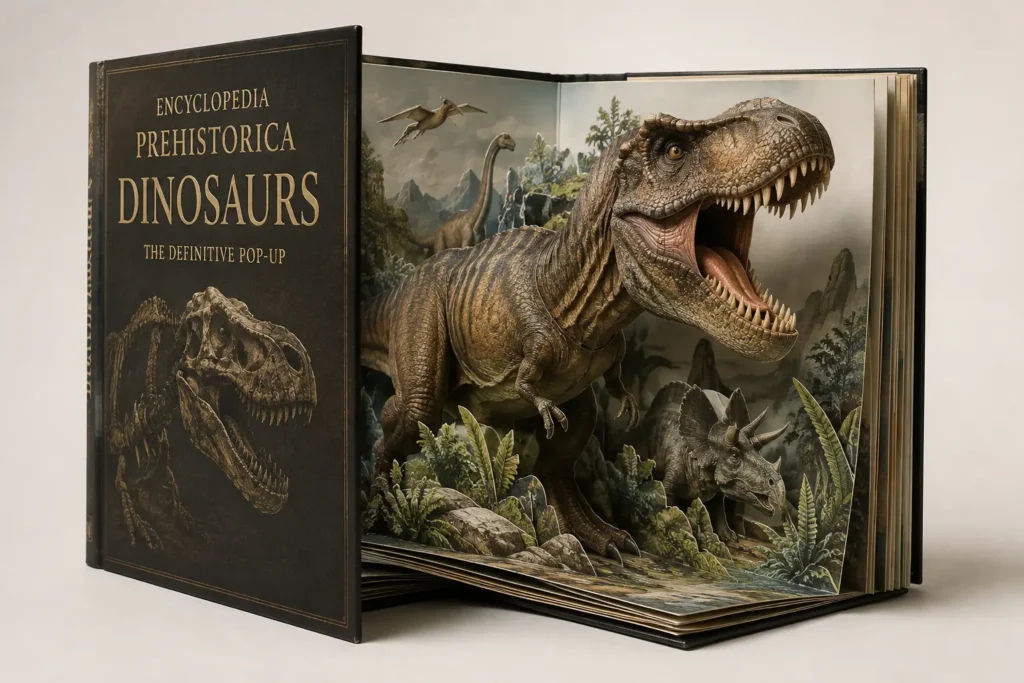
Encyclopedia Prehistorica: Dinosaurs
An interactive dinosaur book featuring spectacular three-dimensional pop-ups, particularly suited to young readers and families.
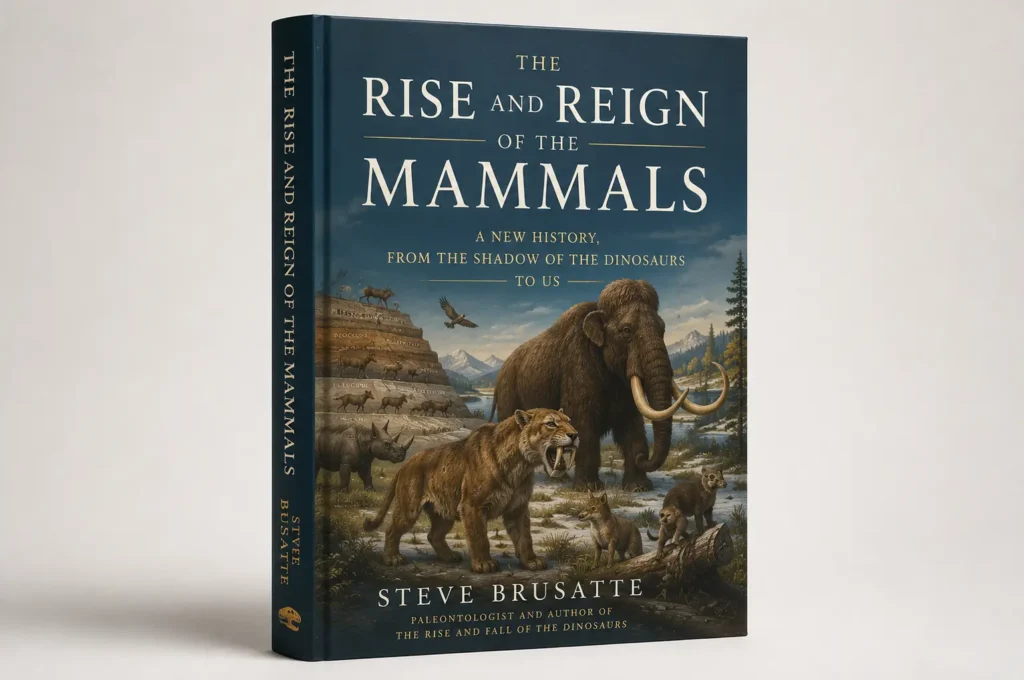
The Rise and Reign of the Mammals
A sweeping history of mammalian evolution, from their origins alongside dinosaurs through the Cenozoic and the emergence of humans.