
At a Glance
| Field | Information |
|---|---|
| Species | Parasaurolophus walkeri, P. tubicen, P. cyrtocristatus |
| Period | Late Cretaceous (76.5–73 Ma) |
| Social structure | Inferred gregarious; direct fossil evidence for herding limited but present in hadrosaurs broadly |
| Locomotion | Quadrupedal at normal pace; bipedal capable; speed estimates 20–35 km/h (12–22 mph) when bipedal |
| Primary defence | Speed, group vigilance, and possibly crest-based alarm calls |
| Evidence quality | Mostly Tier 3 (comparative inference); some Tier 1 trackway evidence |
Quick Answer: Parasaurolophus is inferred to have been a social, herd-living animal based on comparison with related hadrosaurs and the communicative function of its crest. Direct fossil evidence for herding in Parasaurolophus specifically is limited. Speed estimates based on biomechanical modelling suggest it could reach 20–35 km/h (12–22 mph) on its hindlimbs, its primary defence being flight rather than combat.
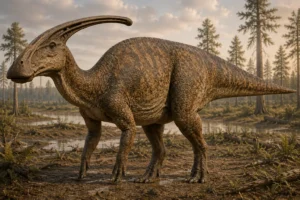
Parasaurolophus left behind bones and trackways, not behaviour. What we know about how it lived is built from fossil evidence, comparison with living animals, and careful inference — and it is worth being clear about which is which.
Did Parasaurolophus Live in Herds?
Herding behaviour in Parasaurolophus is inferred rather than directly demonstrated by fossil evidence specific to this genus. The inference rests on three lines of evidence.
Hadrosaur Bonebeds
Multiple hadrosaur bonebeds — sites where the remains of many individuals are preserved together — have been documented across North America. Some of these contain mixed-age classes, which is consistent with social grouping rather than chance accumulation. However, most well-documented hadrosaur bonebeds involve species other than Parasaurolophus, and interpreting bonebeds as evidence of living herds requires ruling out alternative explanations such as drought-driven aggregation at water sources or post-mortem hydraulic sorting.
Crest Function as Social Signal
The crest’s inferred acoustic and visual display function is consistent with a social animal that needed to communicate across distance — to maintain group cohesion, signal alarm, or establish individual or species identity. Based on comparison with modern gregarious animals, a complex signalling apparatus of this kind is more parsimonious in a social species than in a solitary one. This is Tier 3 inference, not direct evidence.
Phylogenetic Context
Closely related hadrosaurs show evidence of gregarious behaviour, and the absence of contradicting evidence for Parasaurolophus makes herding the most reasonable working hypothesis. It is not confirmed by direct fossil evidence for this genus specifically.
Crest-Based Communication in Social Context
The acoustic mechanics of the crest are covered in full in our crest anatomy guide. In behavioural terms, the crest’s likely communicative functions included:
Species and Individual Recognition
Crest shape varied between species and changed through ontogeny. Biomechanical modelling suggests that different crest shapes produce different sound signatures. In a mixed-species hadrosaur community — as documented in the Dinosaur Park Formation — acoustic differentiation between species would have had clear social value.
Alarm Signalling
A low-frequency resonating call carries well through dense vegetation and over distance. Based on comparison with modern animals that use similar low-frequency vocalisations — elephants, for example — alarm calls that travel beyond the range of direct vision would have been useful in a large herbivore living in forested or semi-open Late Cretaceous environments.
Mate and Status Signalling
Crest size varied, possibly by sex and certainly by age. Visual and acoustic display in the context of mate selection or social hierarchy is inferred by comparison with modern animals exhibiting similar sexually dimorphic display structures. This is speculative and not directly evidenced in the fossil record.
Speed and Locomotion
Estimates
Biomechanical estimates for Parasaurolophus locomotion vary depending on the model assumptions, including gait, posture, and soft-tissue reconstruction. Current modelling suggests:
- Quadrupedal walking: approximately 5–10 km/h (3–6 mph) — consistent with a large herbivore foraging pace
- Bipedal running: approximately 20–35 km/h (12–22 mph) — with the upper range representing short-duration burst speed rather than sustained locomotion
These values are derived from biomechanical modelling of limb proportions, joint mechanics, and comparison with extant animals of similar body mass. They should be treated as approximate ranges rather than precise measurements.
No Parasaurolophus-specific trackway analysis has yielded direct speed estimates. However, hadrosaur trackways more broadly support habitual quadrupedal locomotion at low speeds, with facultative bipedalism used for higher-speed movement or behavioural contexts such as escape.
Gait
Trackway evidence from hadrosaurs broadly — including from the Dinosaur Park Formation — shows that large hadrosaurs placed all four limbs on the ground during normal locomotion. Bipedal posture was used selectively, likely during feeding and possibly during faster movement. The transition between gaits was probably fluid rather than fixed.
Speed as Primary Defence
Given the absence of armour, horns, or weaponised tail structures, speed and group vigilance were almost certainly the primary defensive strategies available to Parasaurolophus. An animal of its size — 2,500–4,000 kg (5,500–8,800 lb) — could not rely on agility alone. Group living would have provided the additional benefit of multiple sets of eyes and ears, with the crest’s acoustic range amplifying the group’s ability to coordinate alarm responses across distance.
Feeding Behaviour
Parasaurolophus was a herbivore that fed on the vegetation available in its Late Cretaceous habitat. Its diet is covered at a summary level in the hub page and in more detail in the diet section. In behavioural terms, the relevant points are:
- Quadrupedal posture during foraging allowed low browsing of ground-level and mid-height vegetation
- Bipedal posture extended the feeding height range, enabling access to higher foliage
- The dental battery — hundreds of tightly packed teeth replaced continuously throughout life — suggests a diet requiring sustained, high-volume processing of tough plant material
What the Evidence Does Not Show
It is worth being explicit about the limits of the behavioural evidence:
- There is no direct fossil evidence of Parasaurolophus nesting or parental care, though related hadrosaurs such as Maiasaura provide strong evidence for nest-tending in the broader family
- There is no direct evidence of migratory behaviour in Parasaurolophus, though some researchers have proposed seasonal movement based on formation distribution — this remains speculative.
- Specific social hierarchy structures cannot be reconstructed from fossil evidence.
- Individual interactions — play, aggression, cooperation — are entirely outside what the fossil record can document for this species.
Related and Contemporary Species
- Corythosaurus: A crested lambeosaurine from the same Dinosaur Park Formation; its bonebed evidence contributes to the hadrosaur herding inference, and its crest provides a behavioural comparison point.
- Maiasaura: A hadrosaur from Montana with direct nesting and parental care evidence; its behaviour informs cautious inference about hadrosaur social structure more broadly, including for Parasaurolophus.
- Gorgosaurus: The primary large predator in P. walkeri‘s ecosystem; its presence defines the predation pressure that likely shaped Parasaurolophus’s defensive and social behaviour.
- Edmontosaurus: A large non-crested hadrosaur with bonebed evidence for herding; its well-documented social behaviour provides the strongest direct hadrosaur comparison for inferring Parasaurolophus group living.
Frequently Asked Questions
Did Parasaurolophus live in herds?
Herding is inferred from the crest’s likely communicative function and from hadrosaur bonebed evidence more broadly, but direct fossil evidence for group living in Parasaurolophus specifically is limited. Based on comparison with related species and the animal’s lack of individual defensive weapons, gregarious behaviour is considered the most reasonable working hypothesis.
How fast could Parasaurolophus run?
Biomechanical modelling based on limb proportions suggests Parasaurolophus could reach approximately 20–35 km/h (12–22 mph) on its hindlimbs at burst speed. These are modelled estimates, not figures derived from Parasaurolophus-specific trackway analysis, and should be treated as approximate ranges rather than precise values.
How did Parasaurolophus defend itself?
Parasaurolophus had no armour, horns, or weaponised tail. Its primary defences were almost certainly speed, group vigilance, and the crest’s ability to produce alarm calls carrying over long distances. In a hypothetical predator encounter, flight rather than combat was the most viable response for an animal of its build.
Conclusion
Parasaurolophus behaviour is reconstructed from a combination of direct fossil evidence, biomechanical modelling, and careful comparison with living and related animals. The picture that emerges — a social, communicative, fast-moving herbivore — is well-supported as a working model, provided the distinction between what is evidenced and what is inferred is kept clearly in view.
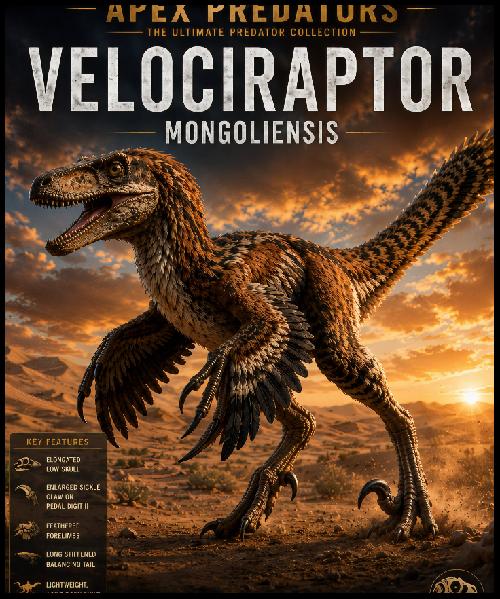
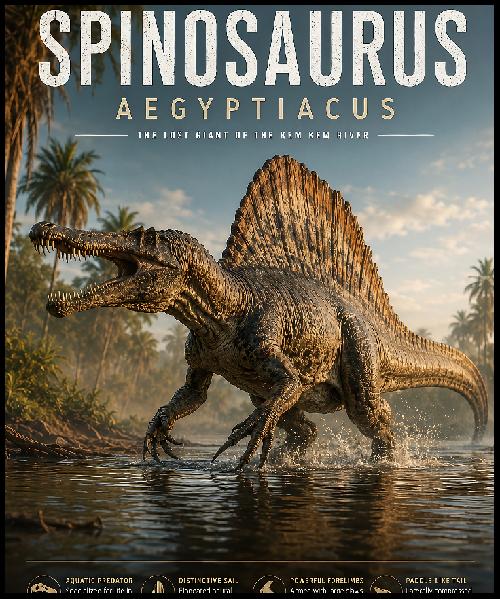
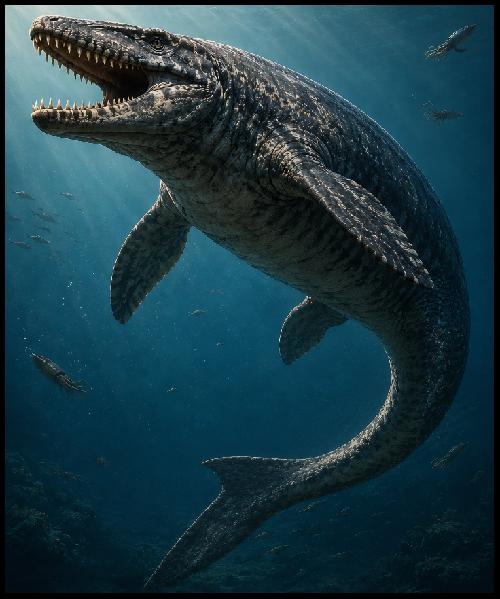
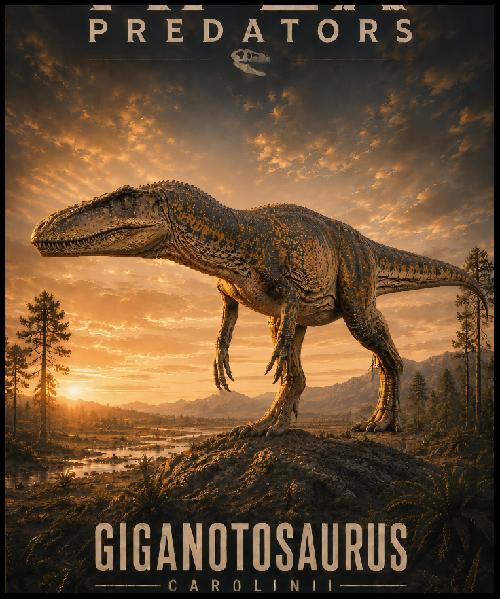
Featured Museum Collections
Museum-quality paleoart and educational poster
collections based on evidence-informed prehistoric
Life reconstructions.