

At a Glance
| Feature | T. rex | Triceratops |
|---|---|---|
| Period | Late Cretaceous (68–66 Ma) | Late Cretaceous (68–66 Ma) |
| Length | 12–13 m (39–43 ft) | 8–9 m (26–30 ft) |
| Weight | 8,000–14,000 kg (17,600–30,900 lb) | 6,000–12,000 kg (13,200–26,400 lb) |
| Primary weapon | Bone-crushing jaws, ~35,000–57,000 N bite force | Three horns, neck frill, low centre of gravity |
| Habitat | Hell Creek Formation, North America | Hell Creek Formation, North America |
| Fossil interaction evidence | Confirmed — tooth-marked Triceratops bones from multiple specimens | — |
Quick Answer: T. rex and Triceratops were contemporaries in the same Late Cretaceous ecosystem, and fossil evidence confirms they interacted. T. rex tooth marks have been found on Triceratops bones, establishing that T. rex fed on Triceratops. The bite marks recovered to date are consistent with post-mortem feeding rather than attacks on living animals, which means the fossil record confirms T. rex as a Triceratops consumer, but does not yet directly confirm live predation versus scavenging.

The bones tell the story plainly. A Triceratops pelvis, recovered from the Hell Creek Formation, bears a row of deep parallel gouges — T. rex tooth marks, pressed into bone with enough force to scrape the surface clean. The same pelvis shows feeding marks from multiple angles. This was not a brief encounter. It was a meal.
How Did T. Rex and Triceratops Compare?
T. rex and Triceratops were the two largest animals in their shared ecosystem, and they overlapped almost exactly in time and geography. Both are found throughout the Hell Creek Formation of Montana, North Dakota, South Dakota, and Wyoming, in sediments dating to the final two million years of the Cretaceous. Triceratops was the most common large herbivore in the Hell Creek fossil record — it constituted approximately 40% of large dinosaur specimens in some census counts — making it by far the most frequently available large prey item for T. rex.
In raw mass, the two were broadly comparable. T. rex estimates range from 8,000 to 14,000 kilograms (17,600–30,900 lb); large Triceratops reached approximately 6,000–12,000 kilograms (13,200–26,400 lb). T. rex had the advantage in height, jaw reach, and bite force; Triceratops had the advantage in frontal armament, low centre of gravity, and passive defensive architecture.
T. Rex: Weapons and Capabilities
T. rex’s primary weapon was its jaws. Biomechanical estimates place total bite force at approximately 35,000–57,000 newtons — sufficient to crush bone and penetrate the thick hide of large ceratopsians. The teeth were not blades designed to slice, but robust, rounded structures built to puncture and grip. [Freshness flag: review if updated bite force modelling has been published]
Height provided a tactical advantage: standing 3.7–4 metres (12–13 ft) at the hip, T. rex could potentially deliver bites to the Triceratops’s back, flanks, and haunches while keeping its own body clear of the horns. The powerful hind legs allowed directional movement and rapid lateral repositioning that a low-slung quadruped could not match at the same pace.
Triceratops: Defences and Weapons
Triceratops carried three horns — two long brow horns reaching up to 1 metre (3 ft) in length and a shorter nasal horn — backed by a solid bony frill extending from the back of the skull. The brow horns were capable of generating substantial forward force in a directed charge or thrust. The neck musculature was robust enough to drive both upward and sideways horn movements.
The frill was once assumed to function primarily in defence, but current evidence suggests it also served in display and species recognition. Its structural role against T. rex specifically is difficult to quantify. The low, wide stance and heavy build of Triceratops would have made it difficult to knock over or flip, unlike lighter prey. The most vulnerable region — the neck and hindquarters — was partially protected by the frill anteriorly and by bulk and proximity to the ground posteriorly.
What Does Fossil Evidence Show?
Fossil evidence of direct T. rex–Triceratops interaction is among the most substantial for any predator-prey pair in the Mesozoic record. Several Triceratops specimens bear T. rex tooth marks, and the patterns of those marks reveal feeding behaviour in detail.
A Triceratops pelvis from the Hell Creek Formation shows feeding marks consistent with T. rex repeatedly repositioning to access different portions of the carcass. Marks on the frill region — an area with limited meat — suggest T. rex was manipulating the skull, possibly to access neck musculature. This systematic processing implies deliberate feeding behaviour.
Critically, the bite marks found on Triceratops specimens to date are consistent with post-mortem feeding — they do not show the wound patterns that would confirm attack on a living animal. This means the evidence establishes T. rex as a Triceratops consumer but does not yet directly confirm live predation versus scavenging of animals that died by other means. This is an important distinction that should not be elided.
Did Triceratops Fight Back?
Whether Triceratops successfully defended itself against T. rex attacks is speculative — direct fossil evidence of a defensive interaction (horn wounds on T. rex bone, for example) has not been confirmed in the published literature. [verify before publishing — check current literature for any confirmed T. rex specimens with horn-consistent ante-mortem injuries]
Speculatively, a healthy adult Triceratops facing a direct frontal approach would have presented a formidable target. The brow horns were large enough to cause serious injury to an attacker, and the mass of the animal made it difficult to disable quickly. Whether T. rex preferentially targeted juveniles, injured individuals, or was willing to engage healthy adults is unknown. Modern large predators typically target vulnerable individuals when possible — there is no strong reason to think T. rex behaved differently, but this is an inference, not evidence.
The Temporal Overlap: Are We Sure They Met?
Yes — this is one of the most firmly established facts about this pairing. Both species are found in the Hell Creek Formation and the equivalent Lance Formation, in sediments dated to approximately 68–66 million years ago. Both went extinct at the Cretaceous–Palaeogene boundary, 66 million years ago. The overlap is real, well-documented, and not in dispute.
Unlike some popular predator-prey comparisons — T. rex and Stegosaurus, for example, which were separated by approximately 80 million years — T. rex and Triceratops genuinely coexisted, and the tooth marks prove they interacted.
Related and Contemporary Species
- Edmontosaurus annectens — the other principal T. rex prey; comparison with Triceratops feeding evidence helps clarify prey selection patterns between a well-defended and a less-defended prey species.
- Torosaurus latus — a large ceratopsian from the same formation, closely related to Triceratops; its status as a separate species or a mature Triceratops individual remains debated. (Taxonomic status actively discussed.)
- Ankylosaurus magniventris — shared the Hell Creek ecosystem and used a completely different defensive strategy; see T. rex vs Ankylosaurus.
- Pachycephalosaurus wyomingensis — a smaller Hell Creek herbivore without the defensive architecture of Triceratops; likely a more regularly taken prey item.
Frequently Asked Questions
Did T. rex eat Triceratops?
Yes — fossil evidence confirms it. Multiple Triceratops specimens bear T. rex tooth marks. Whether T. rex actively hunted live Triceratops or primarily scavenged them is less certain, as the bite marks recovered to date are consistent with post-mortem feeding.
Who would win in a fight between T. rex and Triceratops?
No fossil evidence records the outcome of a live confrontation. Speculatively, the result would depend on the age, health, and condition of both animals, as it does in most large predator-prey encounters today. T. rex could deliver fatal wounds from above and behind; a Triceratops horn strike on a vital area could cripple or kill an attacker.
When did T. rex and Triceratops live?
Both species lived approximately 68–66 million years ago in what is now western North America, sharing the Hell Creek ecosystem until both went extinct at the K-Pg boundary 66 million years ago.
References
Happ J. 2008. An analysis of predator-prey behavior in a head-to-head encounter between Tyrannosaurus rex and Triceratops horridus. In: Larson P, Carpenter K, editors. Tyrannosaurus rex, the Tyrant King. Bloomington: Indiana University Press. p. 355–368.
Erickson GM, Van Kirk SD, Su J, Levenston ME, Caler WE, Carter DR. 1996. Bite-force estimation for Tyrannosaurus rex from tooth-marked bones. Nature. 382(6593):706–708.
Brochu CA. 2003. Osteology of Tyrannosaurus rex: insights from a nearly complete skeleton and high-resolution computed tomographic analysis of the skull. Society of Vertebrate Paleontology Memoir. 7:1–138.
Farke AA, Wolff EDS, Tanke DH. 2009. Evidence of combat in Triceratops. PLoS ONE. 4(1):e4252.
Scannella JB, Horner JR. 2010. Torosaurus marsh, 1891, is Triceratops marsh, 1889 (Ceratopsidae: Chasmosaurinae): synonymy through ontogeny. Journal of Vertebrate Paleontology. 30(4):1157–1168.
Fowler DW, Sullivan RM. 2006. A ceratopsid scapula with tooth marks from the Upper Cretaceous of New Mexico and the feeding behavior of large theropods. New Mexico Museum of Natural History and Science Bulletin. 35:355–364.
Longrich NR, Horner JR, Erickson GM, Currie PJ. 2010. Cannibalism in Tyrannosaurus rex. PLoS ONE. 5(10):e13419.
Carr TD. 2020. A high-resolution growth series of Tyrannosaurus rex was obtained from multiple lines of evidence. PeerJ. 8:e9192.
Recommended Paleontology & Natural History Books
As an Amazon Associate, Extinct Atlas may earn from qualifying purchases.
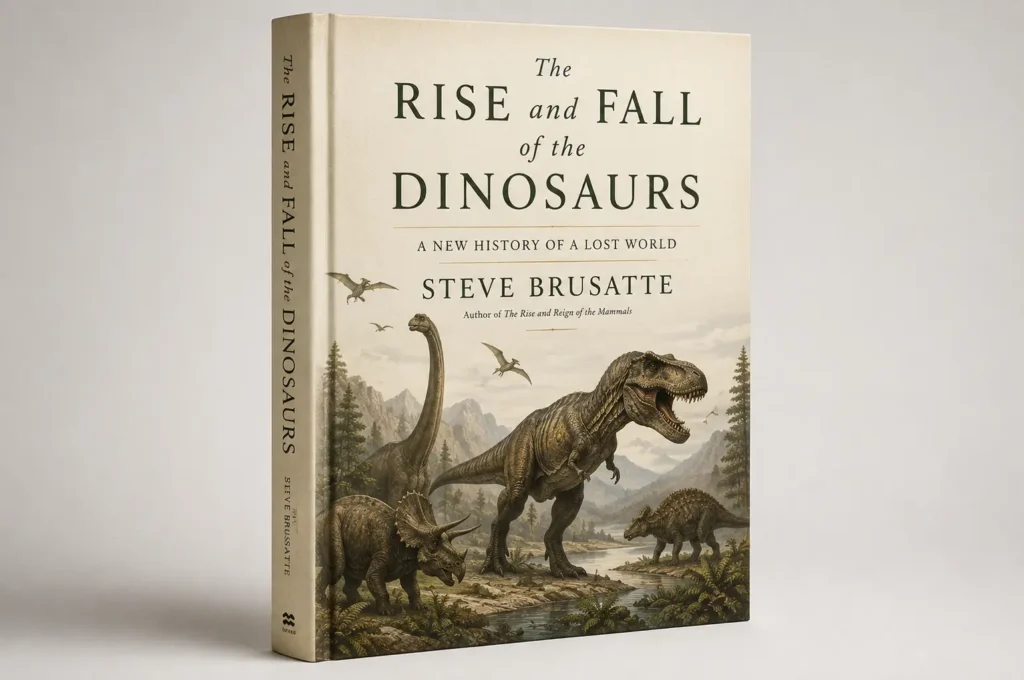
The Rise and Fall of the Dinosaurs
A compelling history of dinosaurs, tracing their origins, diversification, 200-million-year reign, extinction, and enduring legacy.
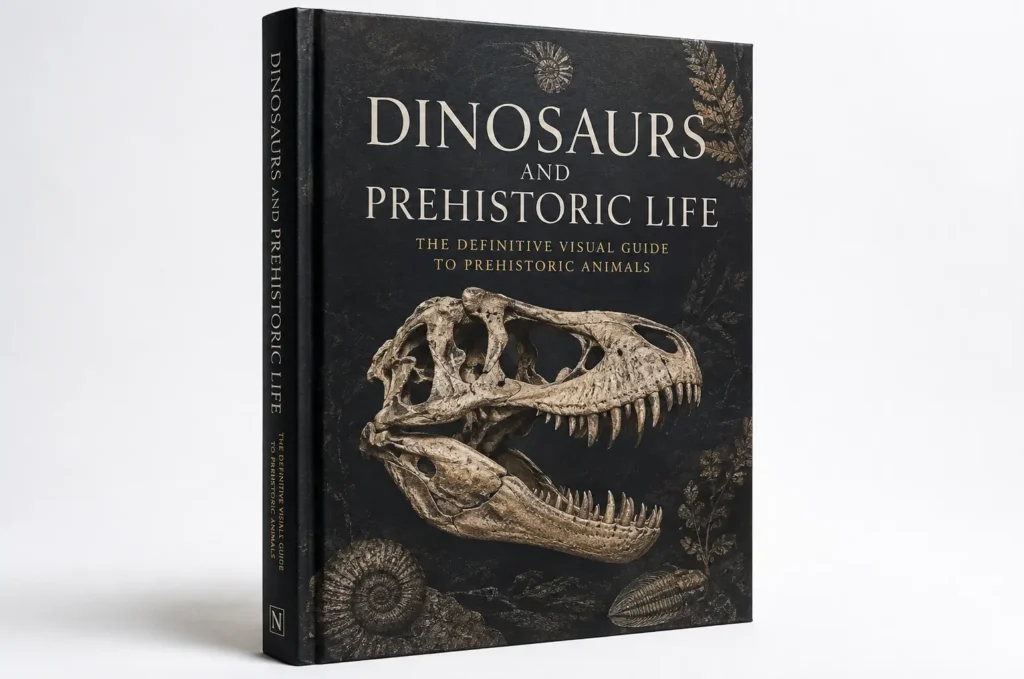
Dinosaurs and Prehistoric Life
A richly illustrated visual reference exploring dinosaurs, fossils, evolution, and prehistoric life across geological time.
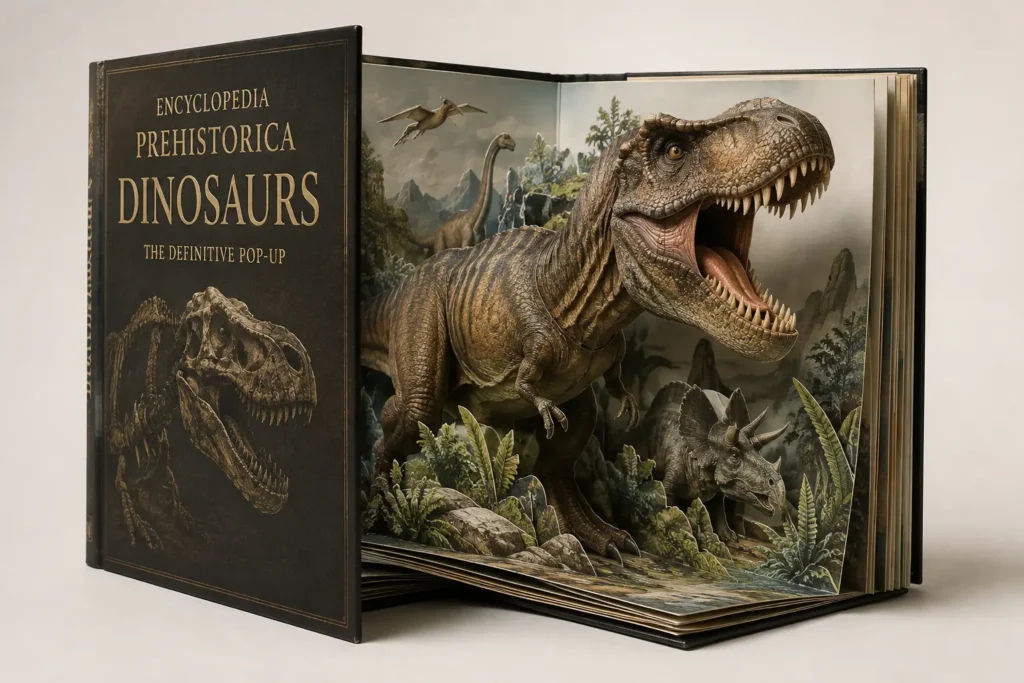
Encyclopedia Prehistorica: Dinosaurs
An interactive dinosaur book featuring spectacular three-dimensional pop-ups, particularly suited to young readers and families.
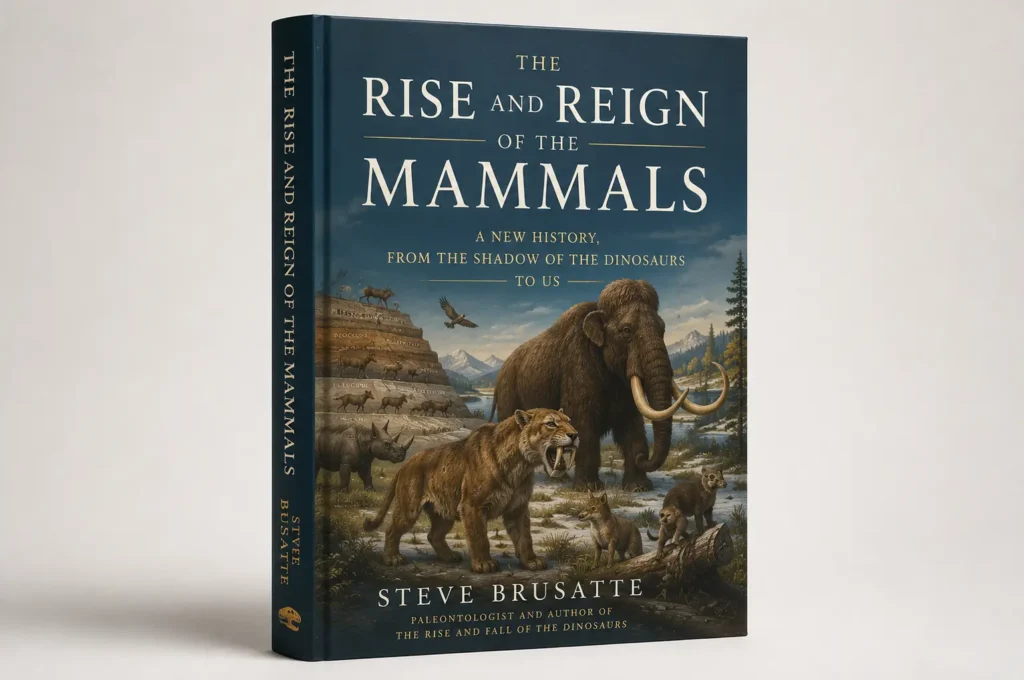
The Rise and Reign of the Mammals
A sweeping history of mammalian evolution, from their origins alongside dinosaurs through the Cenozoic and the emergence of humans.