
Species Quick Info
| Field | Information |
|---|---|
| Scientific Name | Carnotaurus sastrei |
| Topic | Habitat |
| Geological Age | Late Cretaceous (Maastrichtian) |
| Age Range | Approximately 72–69.9 million years ago |
| Formation | La Colonia Formation (commonly cited; stratigraphic interpretation remains discussed) |
| Region | Patagonia, Argentina |
| Paleocontinent | South America (Gondwana) |
| Environment Type | Coastal plains, floodplains, river systems |
| Evidence Strength | Direct Geological Evidence |
Quick Answer
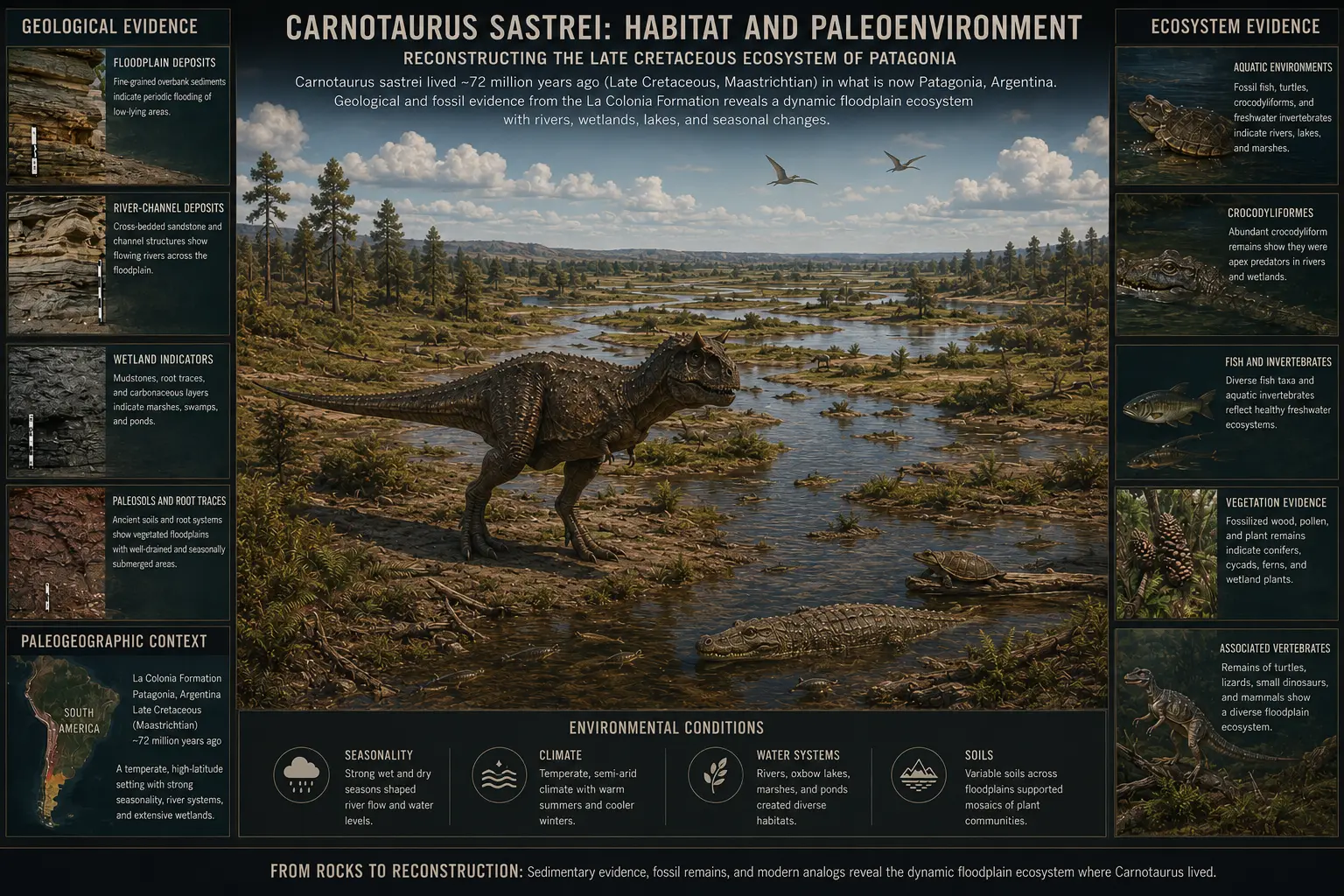
Carnotaurus sastrei lived in Patagonia during the Late Cretaceous, approximately 72–69.9 million years ago. Fossils come from the La Colonia Formation of Argentina, which preserves evidence of coastal plains, river systems, floodplains, wetlands, and nearby marine environments. Current evidence suggests that Carnotaurus inhabited a diverse landscape that supported numerous vertebrate species, including dinosaurs, crocodyliforms, turtles, fishes, and small mammals. While its exact habitat preferences cannot be determined, it was likely a large terrestrial predator occupying a variety of lowland environments.

Summary
| Topic | Current Understanding |
|---|---|
| Formation | La Colonia Formation (commonly cited; stratigraphic interpretation remains discussed) |
| Geological Age | Maastrichtian |
| Modern Location | Chubut Province, Argentina |
| Paleocontinent | South America |
| Environment | Coastal plains and floodplains |
| Climate | Seasonal subtropical to temperate |
| Evidence Strength | Direct Geological Evidence |
Introduction
Understanding where Carnotaurus lived requires combining fossil evidence with geological and paleoenvironmental data. Unlike anatomy, habitat cannot be preserved directly within a skeleton. Instead, researchers reconstruct ancient environments through sediments, associated fossils, stratigraphy, and regional geology.
Habitat Evidence Strength
| Topic | Confidence |
|---|---|
| Fossil Locality | High |
| Geological Formation | High |
| Coastal Influence | High |
| Floodplain Environment | High |
| Climate Reconstruction | Moderate |
| Habitat Preference | Low |
| Seasonal Behavior | Low |
The fossil remains of Carnotaurus were discovered in the La Colonia Formation of Patagonia. This formation preserves evidence of a complex Late Cretaceous ecosystem situated near the margin of the South Atlantic Ocean. Rivers, floodplains, wetlands, and coastal environments all contributed to the landscape in which Carnotaurus lived.
Although many details remain uncertain, the geological evidence provides a relatively robust picture of the environments occupied by this distinctive abelisaurid predator.
Geographic Location
Geographic Summary
| Topic | Information |
|---|---|
| Discovery Locality | Estancia Pocho Sastre |
| Province | Chubut |
| Country | Argentina |
| Paleolatitude | Southern Gondwana |
During the Late Cretaceous, South America was already separated from Africa and supported a distinctive dinosaur fauna dominated by groups such as abelisaurids and titanosaurs.
Carnotaurus lived in southern Gondwana, a region characterized by evolving coastal ecosystems and diverse terrestrial vertebrate communities.
Evidence Strength
Direct Evidence
The geographic origin of the fossils is documented directly from the discovery locality.
The La Colonia Formation
The habitat of Carnotaurus is primarily reconstructed from the La Colonia Formation, the geological unit that yielded the holotype specimen.
Formation Overview
| Topic | Information |
|---|---|
| Formation | La Colonia Formation (commonly cited; stratigraphic interpretation remains discussed) |
| Geological Age | Maastrichtian |
| Depositional Setting | Coastal and continental |
| Sedimentary Environment | Rivers, floodplains, lagoons |
| Marine Influence | Present |
The formation contains sediments deposited across a variety of environments. Evidence suggests interactions between terrestrial and coastal systems, producing a landscape with considerable ecological diversity.
These deposits preserve numerous vertebrates and provide important context for understanding the ecosystem occupied by Carnotaurus.
Evidence Strength
Direct Geological Evidence
Environmental reconstruction is based on preserved sediments and associated fossils.
What Did the Environment Look Like?
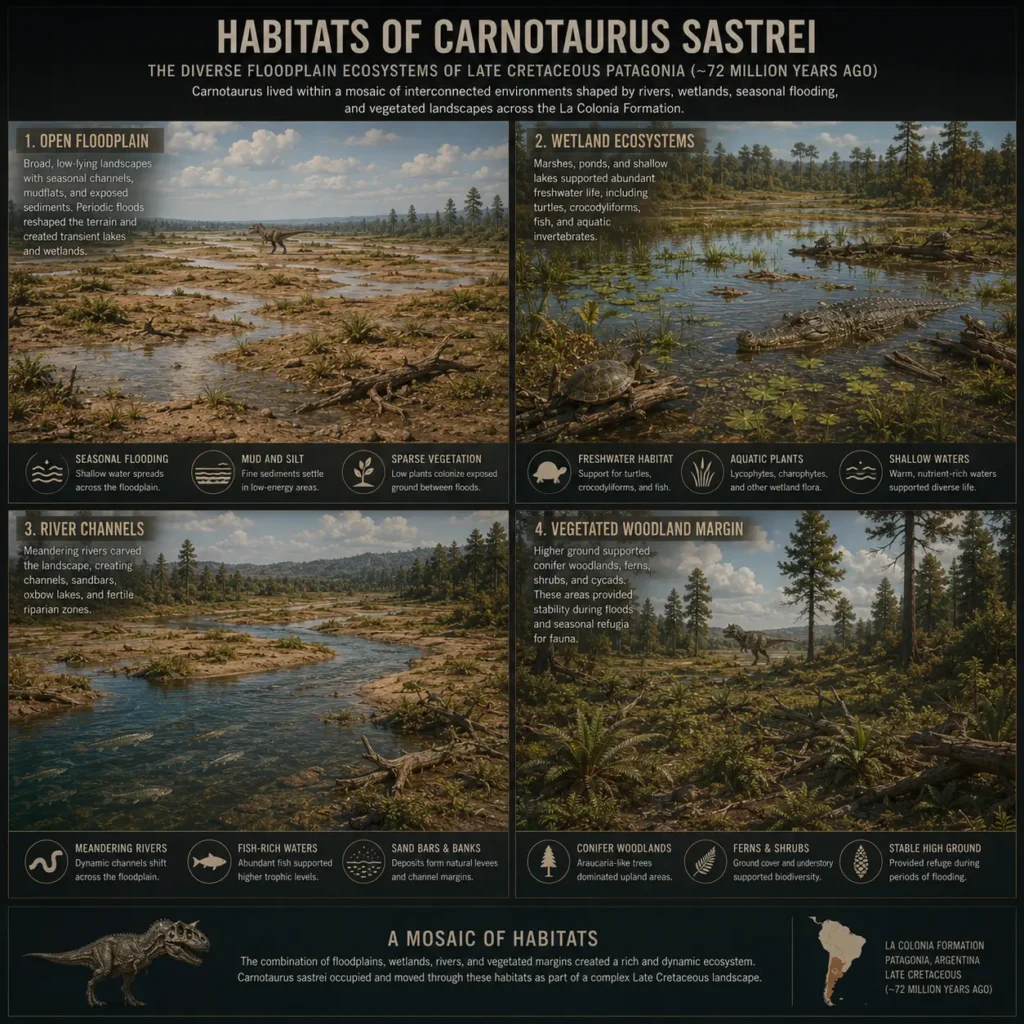
Current geological evidence suggests that Carnotaurus inhabited a mosaic of environments rather than a single habitat type.
Reconstructed Environments
| Environment | Evidence |
|---|---|
| Floodplains | Strong |
| River Channels | Strong |
| Coastal Plains | Strong |
| Wetlands | Moderate |
| Lagoons | Moderate |
| Nearshore Marine Areas | Moderate |
The landscape likely included broad lowlands crossed by river systems that periodically flooded surrounding areas. Wetlands and coastal environments would have created diverse ecological niches capable of supporting a wide range of vertebrates.
Environmental Diversity
| Habitat Feature | Likely Presence |
|---|---|
| Vegetated Areas | Yes |
| Freshwater Sources | Yes |
| Seasonal Flooding | Likely |
| Coastal Influence | Yes |
| Marine Connectivity | Present |
Such environmental complexity may have contributed to the high biodiversity observed within the formation.
Climate
Determining the exact climate of the Carnotaurus ecosystem remains difficult, but geological evidence allows broad inferences.
Climate Reconstruction
| Topic | Assessment |
|---|---|
| Temperature | Warm |
| Seasonality | Present |
| Precipitation | Moderate |
| Aridity | Variable |
| Confidence Level | Moderate |
Most reconstructions suggest a relatively warm climate with seasonal environmental variation.
Unlike many popular depictions of dinosaur environments as uniformly tropical, Late Cretaceous Patagonia likely experienced fluctuations in rainfall and local environmental conditions.
Evidence Strength
Strong Inference
Climate interpretations derive from sedimentological and paleoenvironmental evidence rather than direct measurement.
Animals That Shared the Habitat
The La Colonia ecosystem supported a diverse vertebrate fauna.
Associated Fauna
| Group | Presence |
|---|---|
| Titanosaur Dinosaurs | Confirmed |
| Theropod Dinosaurs | Confirmed |
| Crocodyliforms | Confirmed |
| Turtles | Confirmed |
| Fishes | Confirmed |
| Mammals | Confirmed |
| Amphibians | Confirmed |
These animals occupied a range of ecological roles, creating a complex food web within which Carnotaurus functioned as a large terrestrial predator.
Evidence Strength
Direct Fossil Evidence
Associated fossils occur within the same geological formation.
Carnotaurus Within Its Ecosystem
Ecological Role
| Topic | Assessment |
|---|---|
| Trophic Level | High |
| Habitat Use | Terrestrial |
| Predator Status | Large Carnivore |
| Ecosystem Position | Predatory Consumer |
Carnotaurus likely occupied one of the highest trophic levels within its environment. Its body size and predatory adaptations suggest that it was among the dominant terrestrial carnivores of the ecosystem.
However, direct evidence for specific ecological interactions remains limited.
Evidence Strength
Strong Inference
Ecological role is reconstructed from anatomy and environmental context.
Paleogeographic Context
The world inhabited by Carnotaurus differed substantially from the modern Earth.
Paleogeographic Overview
| Topic | Assessment |
|---|---|
| Continent | South America |
| Ocean Influence | Significant |
| Gondwanan Heritage | Present |
| Continental Isolation | Increasing |
By the Maastrichtian, South America had developed a distinctive fauna due in part to geographic isolation. Abelisaurids became dominant large predators across many southern ecosystems, and Carnotaurus represents one of the most specialized examples of this evolutionary trend.
Evidence Assessment
Habitat Evidence Overview
| Topic | Evidence Strength |
|---|---|
| Fossil Locality | Direct Evidence |
| Geological Formation | Direct Evidence |
| Environmental Reconstruction | Direct Geological Evidence |
| Climate Reconstruction | Strong Inference |
| Ecosystem Structure | Strong Inference |
| Habitat Preference | Limited Evidence |
The strongest evidence concerns the geological setting and location of the fossils. Confidence decreases when attempting to reconstruct detailed ecological preferences or behavioral habitat use.
Remaining Scientific Uncertainties
| Topic | Current Status |
|---|---|
| Preferred Habitat Type | Unknown |
| Seasonal Movements | Unknown |
| Territory Size | Unknown |
| Specific Ecological Interactions | Poorly Known |
| Climate Details | Under Investigation |
| Population Distribution | Incompletely Understood |
Although the La Colonia Formation provides valuable environmental information, many aspects of Carnotaurus ecology remain unresolved because behavior and habitat selection do not fossilize directly.
Future discoveries and refined geological analyses may improve understanding of how Carnotaurus interacted with its environment.
FAQ
Where did Carnotaurus live?
Carnotaurus lived in what is now Patagonia, Argentina, during the Late Cretaceous.
What formation contains Carnotaurus fossils?
The species is known from the La Colonia Formation.
Was Carnotaurus a desert dinosaur?
Current evidence does not support a purely desert environment. Geological data indicate floodplains, river systems, and coastal habitats.
What other animals lived with Carnotaurus?
The ecosystem included titanosaurs, crocodyliforms, turtles, fishes, mammals, and other vertebrates.
Did Carnotaurus live near the ocean?
Yes. The La Colonia Formation shows evidence of coastal influence and nearby marine environments.
Current Scientific Understanding
Current evidence indicates that Carnotaurus sastrei inhabited the coastal plains, floodplains, river systems, and wetland environments of Late Cretaceous Patagonia. This reconstruction is supported by geological and fossil evidence from the La Colonia Formation, which preserves a diverse ecosystem influenced by both terrestrial and coastal processes.
The strongest evidence concerns the geographic location and environmental setting of the fossils. Researchers can confidently identify the formation, age, and general landscape in which Carnotaurus lived. Greater uncertainty exists when attempting to reconstruct specific habitat preferences, territorial behavior, or ecological interactions.
Overall, Carnotaurus appears to have been a large terrestrial predator occupying a dynamic coastal ecosystem within the final stages of the Age of Dinosaurs.
References
A. Primary Taxonomic Sources
Bonaparte, J.F. 1985. A horned Cretaceous carnosaur from Patagonia. National Geographic Research 1(2):149–151.
Bonaparte, J.F., Novas, F.E., and Coria, R.A. 1990. Carnotaurus sastrei Bonaparte, the horned, lightly built carnosaur from the Middle Cretaceous of Patagonia. Contributions in Science 416:1–42.
B. Scientific Literature
Gasparini, Z., Salgado, L., and Coria, R.A. Various studies on the vertebrate assemblages and paleoenvironment of the La Colonia Formation.
Delcourt, R. 2018. Ceratosaur palaeobiology: New insights on evolution and ecology of the southern rulers. Scientific Reports 8:9730.
Pol, D., Leardi, J.M., Lecuona, A., and collaborators. Recent research on the geology, age, and paleoenvironment of the La Colonia Formation.
C. Books and Reference Works
Holtz, T.R. Jr. 2011. Dinosaurs: The Most Complete, Up-to-Date Encyclopedia for Dinosaur Lovers of All Ages.
Paul, G.S. 2016. The Princeton Field Guide to Dinosaurs. 2nd Edition. Princeton University Press.
D. Databases and Online Resources
Paleobiology Database. Occurrence and geological information for Carnotaurus sastrei.
Recommended Paleontology & Natural History Books
As an Amazon Associate, Extinct Atlas may earn from qualifying purchases.
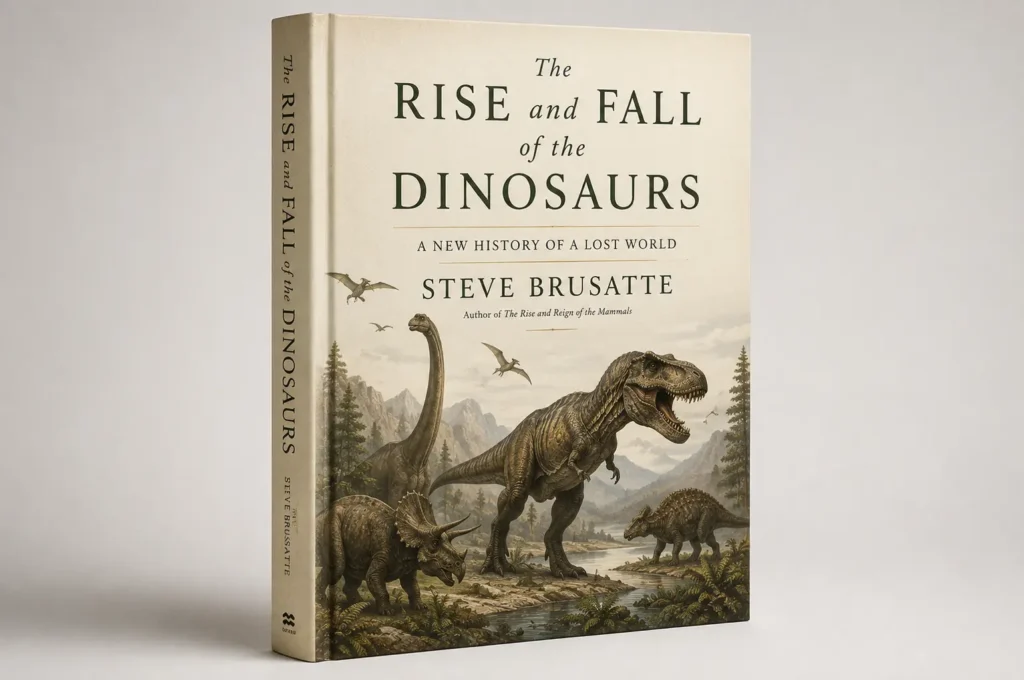
The Rise and Fall of the Dinosaurs
A compelling history of dinosaurs, tracing their origins, diversification, 200-million-year reign, extinction, and enduring legacy.
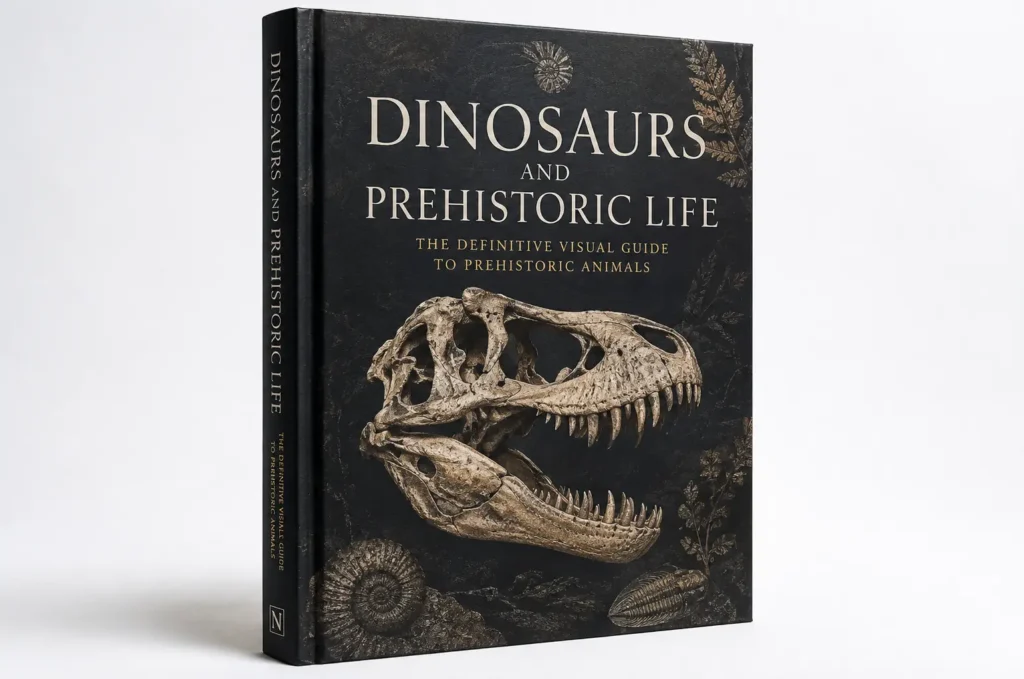
Dinosaurs and Prehistoric Life
A richly illustrated visual reference exploring dinosaurs, fossils, evolution, and prehistoric life across geological time.
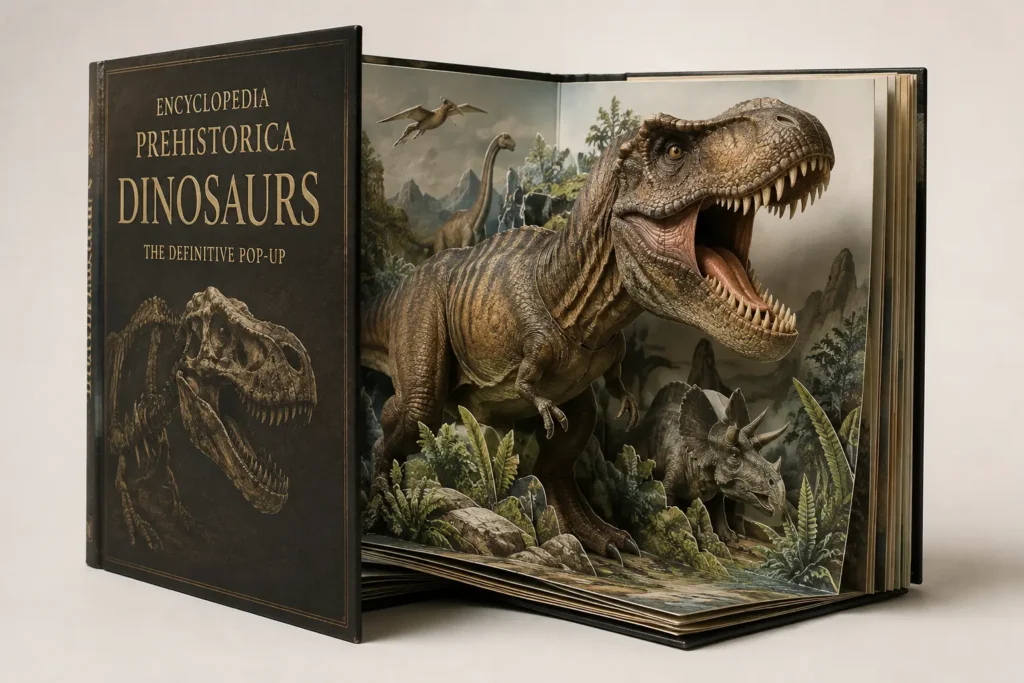
Encyclopedia Prehistorica: Dinosaurs
An interactive dinosaur book featuring spectacular three-dimensional pop-ups, particularly suited to young readers and families.
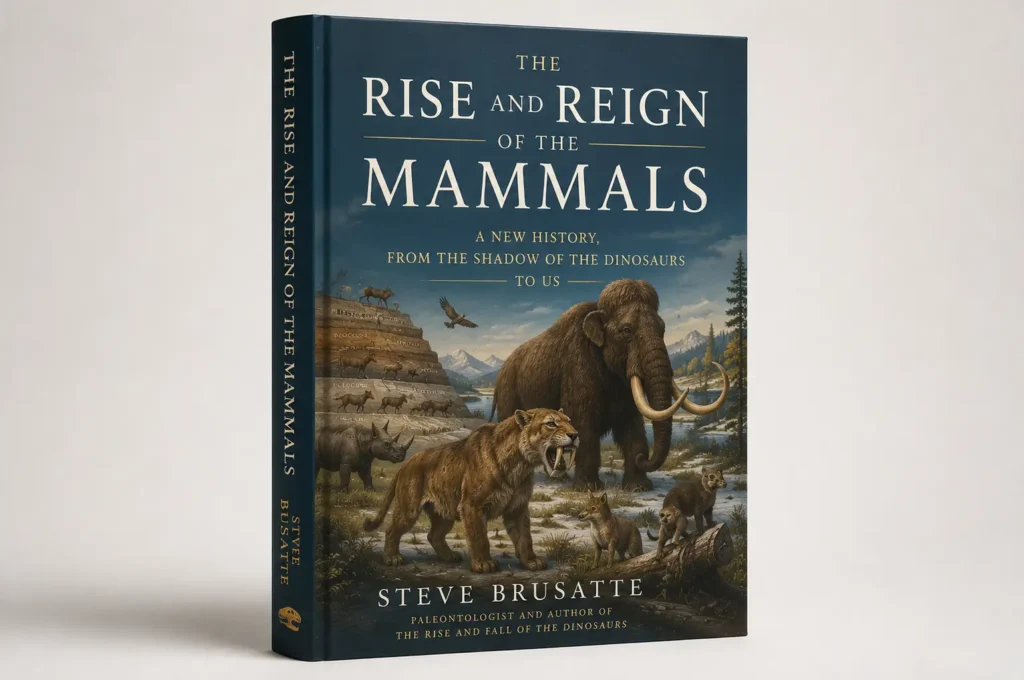
The Rise and Reign of the Mammals
A sweeping history of mammalian evolution, from their origins alongside dinosaurs through the Cenozoic and the emergence of humans.