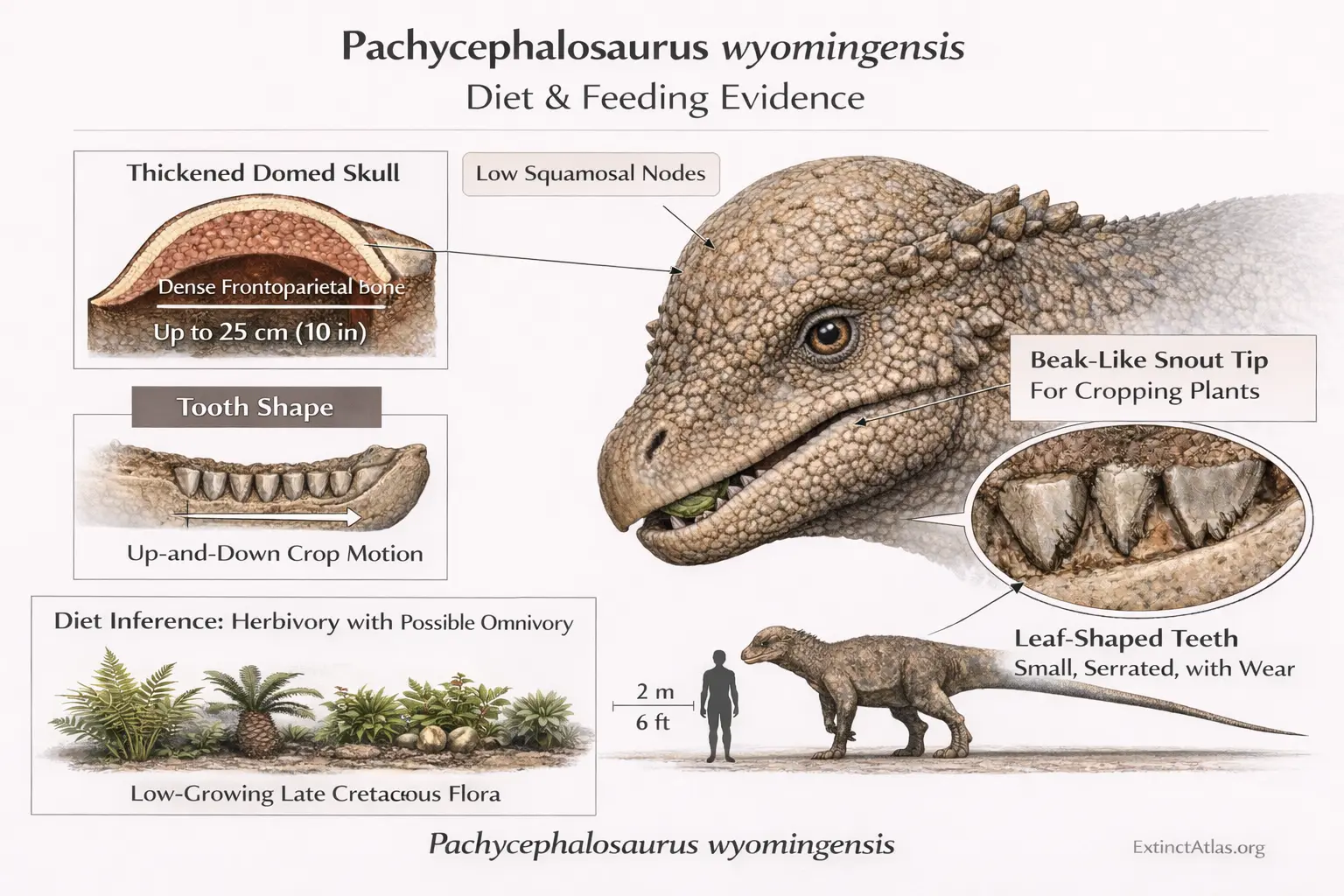
Pachycephalosaurus has traditionally been classified as a herbivore, browsing on Late Cretaceous vegetation with its leaf-shaped teeth. However, a 2018 discovery of juvenile skull material revealed unexpectedly sharp, serrated front teeth that suggest at least some individuals may have consumed animal protein, potentially including insects, small vertebrates, or carrion. This finding has reopened debate about the dietary ecology of pachycephalosaurs and challenged the simple herbivore label.
Traditional Herbivore Classification
For decades following its formal description, Pachycephalosaurus was confidently classified as a herbivorous dinosaur based on its dentition and jaw structure. The teeth are relatively small, leaf-shaped, and possess serrated edges suitable for processing plant material. This dental morphology resembles that of other known herbivorous ornithischians, and the absence of obvious carnivorous adaptations (such as recurved, blade-like teeth or powerful jaw muscles for shearing flesh) supported the herbivore interpretation.
The animal’s position within Marginocephalia, a clade that includes the definitively herbivorous ceratopsians (horned dinosaurs), also supported plant-eating ecology. Phylogenetic bracketing—inferring traits based on closely related species—suggested Pachycephalosaurus shared the herbivorous diet of its relatives.
Reconstructions of Hell Creek Formation plant communities showed abundant vegetation available to herbivores, including ferns, cycads, conifers, and flowering plants. Pachycephalosaurus would have had access to a diverse plant food base, including leaves, seeds, fruits, and possibly bark or woody material.
The 2018 Juvenile Skull Discovery
TIER 2 EVIDENCE: The 2018 specimen described here is a single juvenile individual. While it provides important new data, interpretations based on one specimen require caution, particularly when inferring diet across an entire species or growth trajectory.
In 2018, researchers published a description of a juvenile Pachycephalosaurus skull that revealed unexpected dental features not visible in adult specimens. The front teeth (premaxillary and anterior dentary teeth) were sharply pointed and possessed fine serrations along their edges—morphology more consistent with piercing and gripping animal tissue than with processing fibrous plant material.
This discovery raised immediate questions about dietary ontogeny (changes in diet as animals grow) and whether adult herbivory was the complete picture. The teeth resembled those seen in omnivorous or opportunistically carnivorous reptiles, capable of capturing and consuming insects, small vertebrates, eggs, or scavenged meat.
| Dental Feature | Juvenile Specimen | Adult Specimens |
|---|---|---|
| Front tooth shape | Sharply pointed, recurved | Reduced or absent in some individuals |
| Serration pattern | Fine, well-defined serrations | Coarser or absent |
| Wear patterns | Limited data due to specimen age | Wear consistent with plant processing |
| Jaw muscle attachment | Relatively weak (juvenile) | More robust (adult) |
The juvenile specimen came from the Hell Creek Formation in Montana and is currently housed in a museum collection where it continues to be studied. Its excellent preservation allowed detailed examination of tooth morphology that is often obscured in fragmentary or weathered specimens.
Omnivory vs. Herbivory Debate
The 2018 discovery sparked renewed debate about whether Pachycephalosaurus should be classified as an omnivore rather than a strict herbivore. Omnivory—consuming both plant and animal matter—is relatively common in modern reptiles and birds (the closest living relatives of non-avian dinosaurs), so there is no inherent biological barrier to dinosaurs adopting mixed diets.
Arguments for omnivory:
The sharp, serrated front teeth in juveniles suggest the capability for consuming animal protein. Modern omnivorous reptiles, including many lizards and some turtles, possess similar dental adaptations for capturing insects and small prey while also processing plant material with their cheek teeth.
Nutritional requirements during rapid growth may have driven juvenile Pachycephalosaurus to seek protein-rich foods. Many modern herbivorous birds and mammals consume insects or small animals opportunistically, particularly during breeding seasons or periods of high metabolic demand.
The relatively small body size of juveniles (compared to adults) and higher surface-area-to-volume ratio would increase metabolic needs, potentially favoring energy-dense animal foods during early growth phases.
Arguments for continued herbivore classification:
A single juvenile specimen is insufficient to overturn the herbivore classification for the entire species. Ontogenetic dietary shifts occur in many animals, and juvenile tooth morphology may not reflect adult feeding ecology.
The majority of teeth in Pachycephalosaurus—including the larger cheek teeth that make up most of the dentition—retain herbivorous morphology across all growth stages. Even if juveniles consumed some animal protein, this does not necessarily indicate omnivory as a defining ecological strategy.
Tooth wear patterns in adult specimens, where preserved, show evidence of plant processing rather than meat consumption. The wear facets and scratch patterns are consistent with grinding fibrous vegetation, not slicing flesh or crushing bone.
TIER 3 EVIDENCE: Stomach contents or coprolites (fossilized feces) definitively attributable to Pachycephalosaurus have not been discovered. Dietary interpretations, therefore, rely on dental morphology, wear patterns, and comparison with living animals—all indirect lines of evidence.
Tooth Structure and Function
Pachycephalosaurus dentition shows clear differentiation between front teeth and cheek teeth, a pattern seen in many herbivorous and omnivorous reptiles. The front teeth (when present) are smaller and more conical, while the cheek teeth are broader, leaf-shaped, and bear serrations along their edges.
The cheek teeth possess a morphology well-suited for processing tough plant material. The serrated edges would help slice through fibrous leaves and stems, while the relatively broad crown surface could crush seeds or fruits. The teeth are set in a moderately deep jaw, providing reasonable bite force for an animal of its size.
Unlike hadrosaurs (duck-billed dinosaurs) and ceratopsians, which evolved complex dental batteries with hundreds of tightly packed teeth for grinding vegetation, Pachycephalosaurus retained a simpler tooth arrangement. This suggests a less specialized diet—the animal likely consumed a variety of plant types rather than focusing exclusively on tough, fibrous vegetation that requires extensive processing.
The tooth replacement rate in Pachycephalosaurus is not well-documented due to limited skull material, but related pachycephalosaurs show continuous tooth replacement typical of reptiles. Teeth were shed and replaced throughout life, allowing worn or damaged teeth to be replaced with functional ones.
Jaw muscle reconstruction based on skull morphology indicates moderate bite forces. The jaw muscles are attached to relatively small areas on the skull compared to large-headed herbivores like Triceratops, limiting maximum bite strength. This supports a diet of relatively soft to moderately tough plant material (leaves, fruits, soft stems) rather than extremely fibrous or woody vegetation.
Inferred Diet Based on Available Evidence
TIER 2 EVIDENCE: The dietary reconstruction presented here synthesizes dental morphology, jaw mechanics, and paleoenvironmental context. However, without direct preservation of stomach contents, all specific food items remain inferred rather than confirmed.
Based on current evidence, the most likely diet for adult Pachycephalosaurus consisted primarily of plant material with possible opportunistic consumption of animal protein. The plant component likely included:
Leaves and soft vegetation: The cheek teeth are well-suited for processing ferns, cycad fronds, and the leaves of flowering plants that were becoming increasingly common in Late Cretaceous ecosystems.
Fruits and seeds: The Hell Creek Formation preserves evidence of diverse fruiting plants. The moderately strong jaws of Pachycephalosaurus could crush seeds and process fleshy fruits, providing seasonal nutrition.
Soft stems and shoots: Young plant growth, particularly in the spring and early summer, would offer nutrient-rich food requiring less mechanical processing than mature, toughened vegetation.
The potential animal component of the diet, supported by the 2018 juvenile tooth discovery, might have included:
Insects: Large insects were abundant in Cretaceous ecosystems, and many modern herbivorous reptiles consume insects opportunistically. The pointed front teeth would be effective for capturing beetles, orthopterans (crickets and relatives), and other invertebrates.
Small vertebrates: Juvenile lizards, mammals, or amphibians could have been prey for opportunistic Pachycephalosaurus, particularly juveniles with sharp teeth. However, no direct evidence supports regular predation on vertebrates.
Eggs: Dinosaur or other reptile eggs would provide concentrated nutrition, and many modern omnivores seek out eggs when available. The jaws of Pachycephalosaurus could crush thin-shelled eggs, though there is no fossil evidence of this behavior.
Carrion: Scavenging would require no hunting adaptations and could supplement the diet opportunistically. However, the relatively small size of Pachycephalosaurus and its lack of specialized scavenging features (such as powerful beaks or bone-crushing jaws) suggest carrion was not a major dietary component.
Dietary Ontogeny: Juvenile vs. Adult Feeding
The 2018 juvenile specimen raises important questions about whether the diet changed as Pachycephalosaurus grew. Dietary ontogeny is common in modern animals—many species consume different foods as juveniles than they do as adults, reflecting changing nutritional needs and mechanical capabilities.
If juveniles consumed more animal protein than adults, this could reflect several selective pressures. Rapid growth requires high-quality protein, and juveniles may have been more agile and better suited for capturing small prey than bulkier adults. As animals matured and dome development consumed metabolic resources, dietary shifts toward abundant plant material may have been energetically favorable.
Alternatively, the sharp teeth in juveniles may not indicate dietary differences but rather represent a retained ancestral feature that diminishes as the skull remodels during growth. Many modern reptiles show ontogenetic changes in tooth shape that do not correspond to actual dietary shifts.
TIER 3 EVIDENCE: Without multiple juvenile specimens showing consistent dental patterns or isotopic analysis of bone chemistry across growth stages, the extent and nature of dietary ontogeny in Pachycephalosaurus remains speculative.
Comparison with Related Species
Other pachycephalosaurs for which dental material is available show similar patterns: relatively simple, leaf-shaped teeth consistent with herbivory, with some variation in tooth size and serration patterns that may reflect dietary specialization.
Stegoceras, a smaller and earlier pachycephalosaur, possesses teeth that closely resemble those of adult Pachycephalosaurus, supporting a primarily herbivorous diet for the family as a whole. The consistency across pachycephalosaur species suggests herbivory was the ancestral condition, with any omnivorous tendencies being secondary adaptations or opportunistic behaviors rather than the primary feeding strategy.
Ceratopsians, the sister group to pachycephalosaurs within Marginocephalia, were definitively herbivorous, possessing complex dental batteries for processing tough vegetation. This phylogenetic context supports herbivory as the baseline diet for Pachycephalosaurus, even if individual variation or ontogenetic shifts introduced omnivorous elements.
What Fossil Evidence Cannot Tell Us?
Despite advances in understanding Pachycephalosaurus’s diet, significant gaps remain:
- Seasonal dietary variation: Modern herbivores often adjust their diet seasonally based on plant availability, consuming fruits when abundant and switching to leaves or bark during lean periods. Fossil evidence cannot capture these temporal patterns.
- Individual dietary specialization: Within modern species, individuals often specialize in different food types based on age, sex, social status, or learned behaviors. The fossil record collapses this variation into single snapshots.
- Digestive physiology: We cannot determine whether Pachycephalosaurus possessed specialized gut anatomy (such as enlarged fermentation chambers) for processing plant material. Soft tissue is not preserved, leaving the digestive strategy uncertain.
- Feeding behavior and selectivity: Even knowing the general diet, we cannot determine whether Pachycephalosaurus selectively fed on specific plant parts (choosing young leaves over mature ones, for example) or consumed plants indiscriminately.
Frequently Asked Questions
Was Pachycephalosaurus a carnivore?
No. Even with the 2018 discovery of sharp teeth in a juvenile specimen, the overall dental and jaw anatomy of Pachycephalosaurus indicates a plant-based diet. At most, the species may have been omnivorous, consuming insects or small animals opportunistically while primarily feeding on vegetation.
What plants did Pachycephalosaurus eat?
Based on Hell Creek Formation plant fossils, likely food sources included ferns, cycad leaves, conifer needles, and flowering plant foliage, fruits, and seeds. The exact species consumed cannot be determined from dental morphology alone, but the animal’s jaw structure suggests it processed relatively soft to moderately tough plant material rather than extremely fibrous vegetation.
Did Pachycephalosaurus hunt other dinosaurs?
No evidence supports active predation on other dinosaurs. The sharp teeth in the juvenile specimen are consistent with capturing insects or very small vertebrates, not hunting large prey. Adult Pachycephalosaurus lacked the anatomical features necessary for subduing or dismembering large animals.
Featured Museum Collections
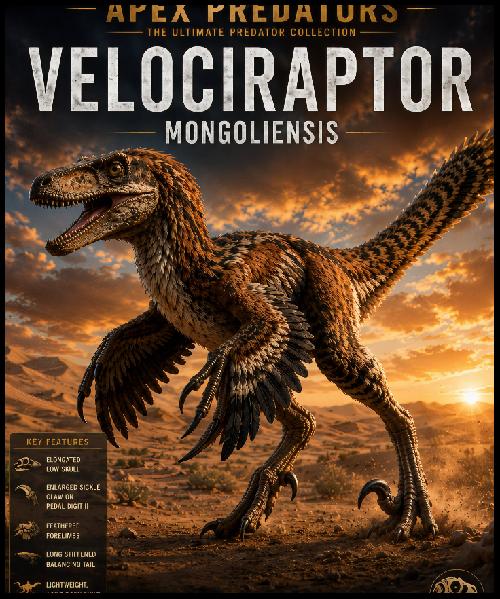
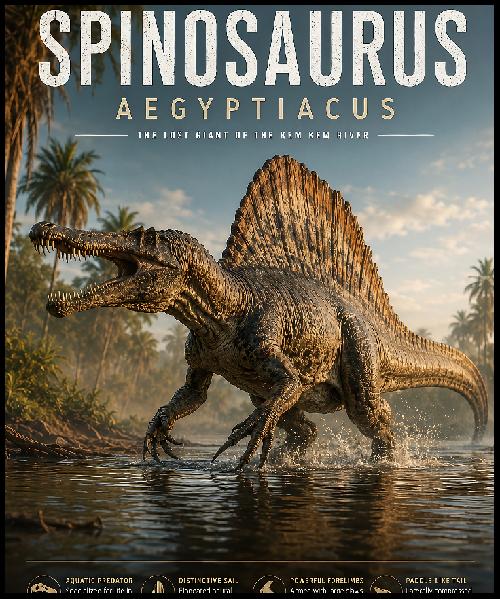
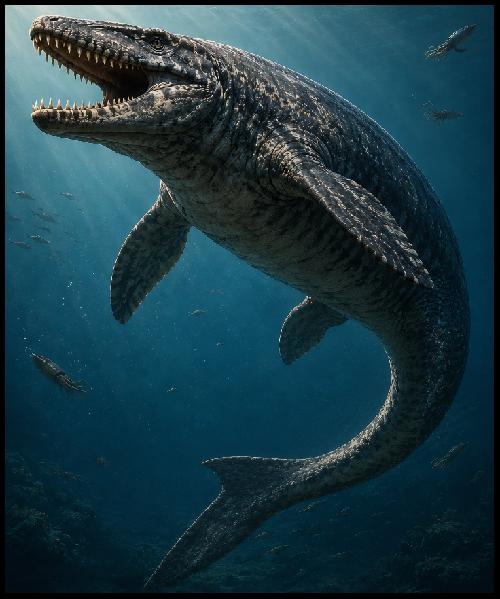
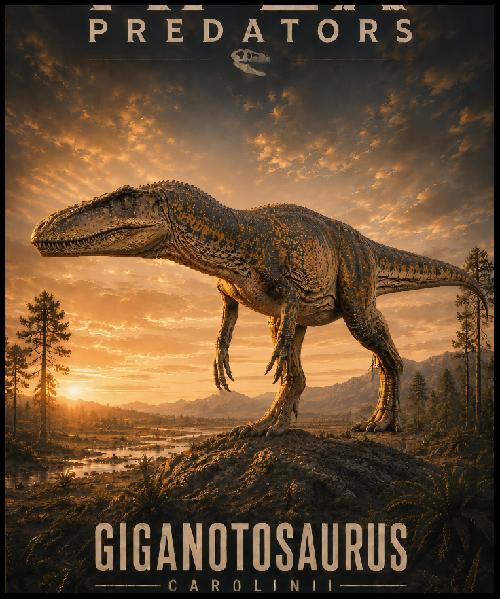
Museum-quality paleoart and educational poster
collections based on evidence-informed prehistoric
Life reconstructions.