At a Glance
| Field | Information |
|---|---|
| Species | Quetzalcoatlus northropi / Q. lawsoni — Pterosauria, Azhdarchidae |
| Period | Late Cretaceous, 68–66 Ma |
| Diet type | Carnivorous / opportunistic predator — inferred from comparative evidence |
| Primary feeding model | Terrestrial stalker — inland prey, not shoreline filter-feeder |
| Skull length (Q. lawsoni) | ~50 cm (20 in) — fossil evidence |
Quick Answer: Quetzalcoatlus most likely fed on small vertebrates and other opportunistic prey taken from the ground, including lizards, small mammals, invertebrates, and possibly hatchling dinosaurs. Comparative analysis of azhdarchid anatomy, combined with the structure of its long, toothless beak and the inland depositional context of its fossils, supports a terrestrial stalking model rather than skimming or specialised fish-feeding. Direct fossil evidence of gut contents has not been recovered.
Introduction
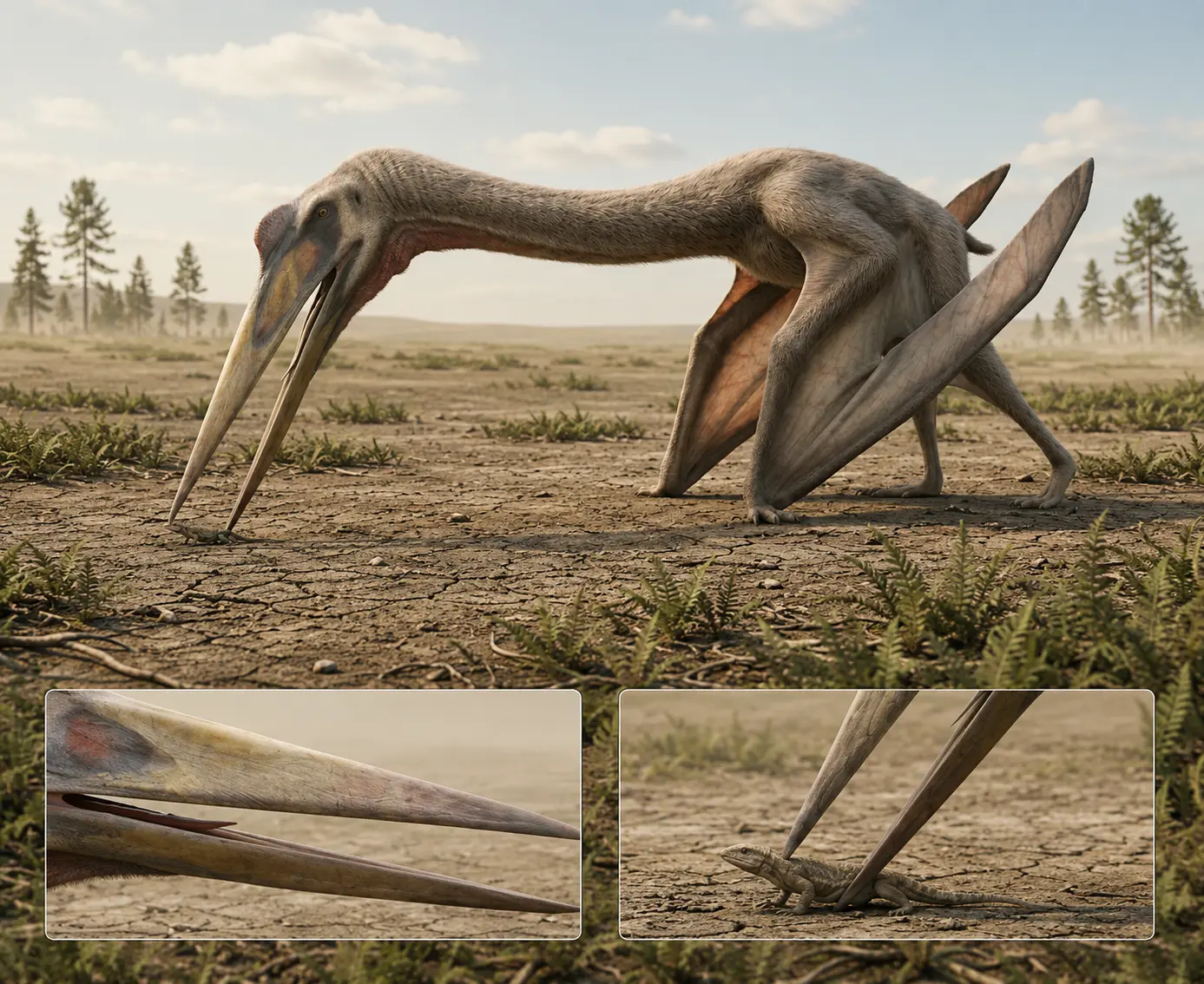
Most people imagine a giant flying reptile hunting from the air — diving for fish, skimming the water surface, or seizing prey in flight. Current evidence suggests a different ecological interpretation. Quetzalcoatlus is most plausibly understood as a large ground-based predator that foraged across Late Cretaceous floodplains, using its height, mobility, and elongated beak to target small prey.
What Did Quetzalcoatlus Eat?
Comparative anatomical analysis and geological context suggest that Quetzalcoatlus fed primarily on small terrestrial prey, including lizards, small mammals, invertebrates, and potentially juvenile vertebrates such as hatchling dinosaurs. Its long, pointed, toothless beak is consistent with rapid prey capture rather than filter-feeding or sustained surface skimming.
The inland fluvial setting of the Javelina Formation in Texas provides additional support for this interpretation. Quetzalcoatlus fossils are associated with ancient river floodplain environments rather than marine or coastal deposits, making a primarily terrestrial feeding ecology more plausible than a specialised fish-eating lifestyle.
The Terrestrial Stalker Model
The dominant modern interpretation describes Quetzalcoatlus as a terrestrial stalker. In this model, it moved quadrupedally across open ground, scanning for prey before striking with a rapid snapping or stabbing motion of the beak. Comparisons with large terrestrial birds are functional analogies only, but they help illustrate how a tall, visually oriented predator might have exploited similar ecological space.
This remains an active area of research, and interpretations may be refined as new fossil evidence becomes available.
This is an active area of research. Details here reflect current scientific consensus but may be revised as new fossil evidence or analysis emerges.
Did Quetzalcoatlus Eat Dinosaurs?
Quetzalcoatlus may have opportunistically preyed on very small dinosaurs, particularly hatchlings or juveniles, though no direct fossil evidence confirms this behaviour. This interpretation is based on comparative ecological inference, body size, and the faunal composition of the Javelina Formation, where juvenile vertebrates would likely have been available as potential prey. Any suggestion that Quetzalcoatlus regularly hunted larger dinosaurs remains speculative and unsupported by direct evidence.
What Quetzalcoatlus Did Not Eat
Earlier reconstructions sometimes portrayed giant azhdarchid pterosaurs as shoreline skimmers or specialised fish-feeders analogous to modern skimmers (Rynchops). This interpretation is no longer widely supported. The skull and jaw morphology of Quetzalcoatlus do not match the structural adaptations associated with sustained skimming behaviour, and the inland depositional environment of its fossils argues against a primarily fish-based feeding ecology. Opportunistic consumption of aquatic prey cannot be ruled out, but current evidence supports a predominantly terrestrial feeding strategy.
Related and Contemporary Species
- Hatzegopteryx thambema — Romanian giant azhdarchid; its more robust skull and shorter neck have prompted speculation about a different prey profile, possibly including larger vertebrates.
- Arambourgiania philadelphiae — large Jordanian azhdarchid; diet inferred similarly from comparative evidence and formation context.
- Alamosaurus sanjuanensis — a large sauropod sharing the Javelina Formation; its hatchlings may have fallen within the prey size range of Q. northropi.
- Tyrannosaurus rex — apex predator sharing the Late Cretaceous of North America; ecological context only — not a prey item or competitor for the same prey class.
- Anarchopterus — a smaller pterosaur from the same period; dietary niche comparison illustrates the range of pterosaur feeding strategies.
Frequently Asked Questions
What did Quetzalcoatlus eat?
Quetzalcoatlus most likely fed on small terrestrial prey, including lizards, small mammals, invertebrates, and potentially juvenile vertebrates such as hatchling dinosaurs. This interpretation is based on comparative anatomical analysis, beak morphology, and the inland depositional context of its fossils. No direct gut content evidence has been recovered, so its precise diet remains inferential.
Did Quetzalcoatlus eat fish?
Quetzalcoatlus was unlikely to have been a specialised fish-eater. Its fossils are associated with inland fluvial environments rather than coastal marine settings, and its jaw structure does not match the adaptations seen in pterosaurs interpreted as dedicated skimmers or fish specialists. Opportunistic consumption of aquatic prey remains possible, but current evidence supports a predominantly terrestrial feeding ecology.
Could Quetzalcoatlus catch prey while flying?
There is no direct evidence that Quetzalcoatlus hunted actively while in flight, and current biomechanical interpretations favour a terrestrial foraging strategy. Its body proportions and inferred locomotor adaptations are more consistent with ground-based prey acquisition than sustained aerial pursuit. Flight likely served primarily for movement between habitats rather than active hunting, though behavioural certainty is inherently limited in extinct animals.
Conclusion
Current evidence supports interpreting Quetzalcoatlus as a predominantly terrestrial predator rather than an aerial fish-hunter. Comparative anatomy, fossil depositional context, and biomechanical analysis collectively favour a ground-stalking feeding strategy focused on opportunistic capture of small prey. While this ecological model is well supported, direct evidence of feeding behaviour remains absent, and some aspects of its dietary ecology remain open to refinement.
References
Jacobs, M. L., Martill, D. M., Ibrahim, N., & Longrich, N. R. (2021). A new species of Quetzalcoatlus (Pterosauria: Azhdarchidae) from the Upper Cretaceous Javelina Formation of Texas. Journal of Vertebrate Paleontology, 41(sup1), 203–217.
Witton, M. P., & Naish, D. (2008). A reappraisal of azhdarchid pterosaur functional morphology and paleoecology. PLoS ONE, 3(5), e2271.
Lawson, D. A. (1975). Pterosaur from the latest Cretaceous of West Texas: Discovery of the largest flying creature. Science, 187(4180), 947–948.
Hone, D. W. E., & Witton, M. P. (2017). Azhdarchid pterosaur ecology, feeding strategies, and terrestrial competence: current perspectives. PeerJ, 5, e2908.
Habib, M. B. (2008). Comparative evidence for quadrupedal launch in pterosaurs. Zitteliana, B28, 159–166.
Buffetaut, E., Grigorescu, D., & Csiki, Z. (2002). A new giant pterosaur with a robust skull from the latest Cretaceous of Romania. Naturwissenschaften, 89, 180–184.
Andres, B., Clark, J., & Xu, X. (2014). The earliest pterodactyloid and the origin of the group. Current Biology, 24(9), 1011–1016.
Longrich, N. R., Martill, D. M., & Andres, B. (2018). Late Maastrichtian pterosaurs from North Africa and mass extinction of Pterosauria at the Cretaceous-Paleogene boundary. PLoS Biology, 16(3), e2001663.
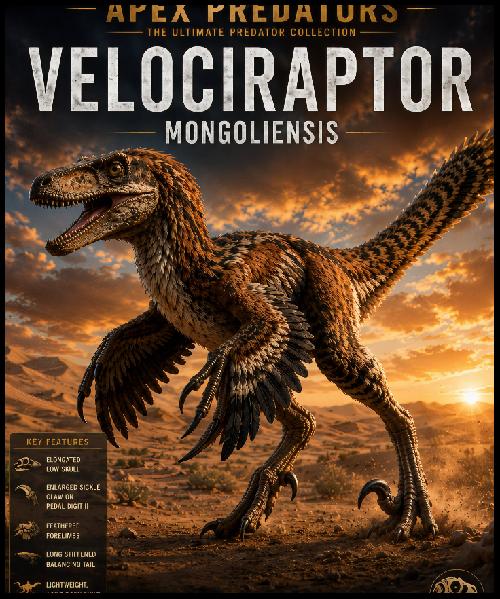
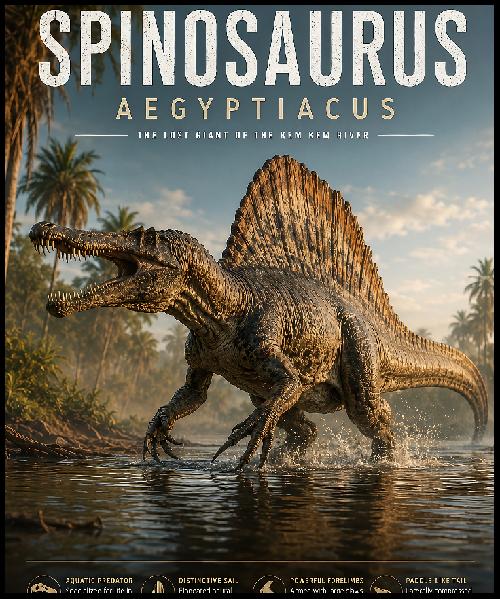
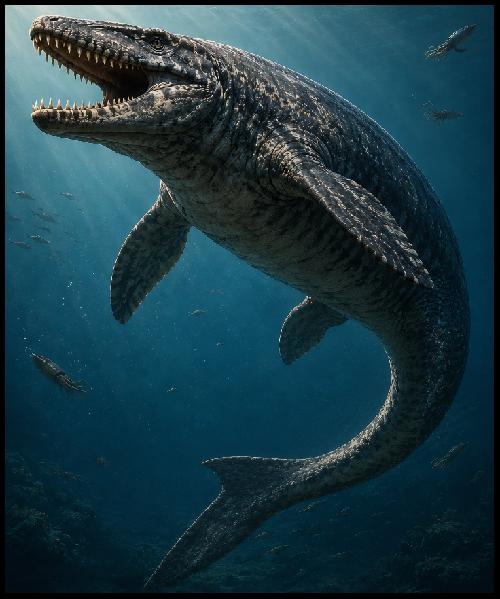
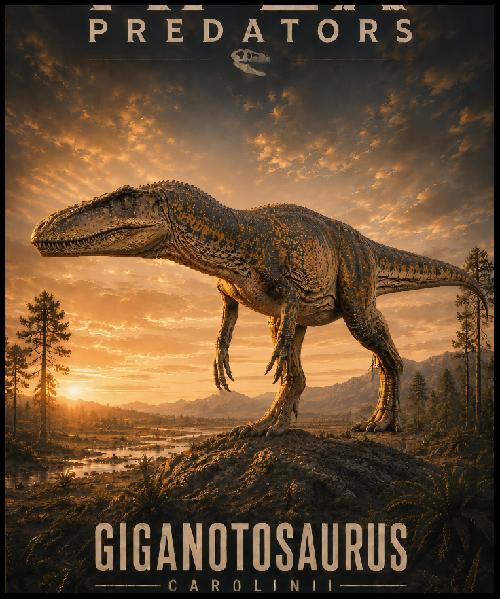
Featured Museum Collections
Museum-quality paleoart and educational poster
collections based on evidence-informed prehistoric
Life reconstructions.