

Quick Info
| Field | Information |
|---|---|
| Species | Ankylosaurus magniventris — Ornithischia, Ankylosauridae |
| Period | Late Cretaceous (Maastrichtian), approximately 68–66 million years ago |
| Armour type | Dermal osteoderms (bony skin plates) likely covered by keratinous tissue |
| Tail club | Stiffened tail terminating in a fused bony club |
| Estimated club mass | Approximately 30–60 kg (66–132 lb) in some biomechanical reconstructions; exact values remain uncertain |
Quick Answer
Ankylosaurus armour consisted of numerous dermal osteoderms embedded directly within the skin, covering much of the back, flanks, neck, and skull. The tail terminated in a large bony club formed from fused vertebrae and enlarged osteoderms, widely interpreted as a defensive adaptation capable of delivering powerful lateral strikes. Together, these features made Ankylosaurus magniventris one of the most heavily armoured terrestrial vertebrates of the Late Cretaceous.

By the end of the Cretaceous Period, Ankylosaurus had evolved one of the most extensive dermal armour systems known among dinosaurs. Rather than forming an external shell, this armour developed through ossification within the skin itself, creating a flexible but highly protective defensive covering.

Ankylosaurus Armour: What Was It Made Of?
Ankylosaurus armour was composed primarily of osteoderms—bones that formed directly within the dermis rather than as part of the main skeleton. Fossil evidence shows that these structures varied considerably in shape and size, ranging from small flat scutes to larger keeled and ridged plates. They were distributed across the dorsal and lateral regions of the body, including the back, flanks, neck, and skull, forming a broad protective covering.
Osteoderms are well documented throughout Ankylosauria, although the complete armour arrangement of Ankylosaurus magniventris remains incompletely known because available specimens are fragmentary. These structures were likely covered by keratinous tissues, analogous in function to dermal armour systems seen in modern crocodilians.
Comparisons with better-preserved ankylosaurid relatives suggest that the dorsal and lateral surfaces carried the heaviest armour coverage. In contrast, the ventral surface appears to have been less heavily protected, although the extent of any belly armour in Ankylosaurus remains uncertain due to limited fossil evidence.
Osteoderm Structure and Arrangement
The osteoderms of Ankylosaurus were not uniform plates but a diverse assemblage of dermal armour elements that varied in size, shape, and position across the body. Fossil evidence from ankylosaurs reveals a range of armour forms, including flat scutes, keeled plates, and more prominent protruding osteoderms. Because Ankylosaurus magniventris is known from incomplete fossil material, aspects of its precise armour arrangement are reconstructed partly through comparison with better-preserved ankylosaurid relatives.
The neck, shoulders, and upper body likely carried particularly robust armour, providing protection for vulnerable regions. Large lateral osteoderms may also have increased the animal’s effective body width, creating an additional defensive barrier against predators. However, the exact distribution, size, and morphology of individual osteoderms in Ankylosaurus remain incompletely resolved.
Microscopic studies of ankylosaur osteoderms reveal a cancellous (spongy) internal bone structure surrounded by a denser outer cortex. This composite architecture may have helped distribute impact stresses more effectively than a uniformly dense structure, potentially improving resistance to bites, blunt-force impacts, and other forms of physical trauma.
The Ankylosaurus Tail Club: Anatomy and Function
The tail club of Ankylosaurus was one of the most distinctive defensive structures known among dinosaurs. It consisted of a stiffened tail terminating in a large bony knob formed from enlarged osteoderms and fused distal vertebrae. Fossil evidence confirms that the club was a genuine anatomical feature rather than a reconstruction artefact.
The middle portion of the tail was reinforced by modified vertebrae and extensive ossified tendons, creating a rigid structure capable of transferring force from tail movement into the terminal club. This specialised anatomy transformed the tail into a powerful defensive weapon while maintaining sufficient flexibility at its base to generate effective lateral swings.
How the Tail Club Was Built
The terminal club was formed by enlarged osteoderms surrounding the distal tail vertebrae, creating the distinctive, rounded, striking structure characteristic of advanced ankylosaurids. The elongated “handle” of the club consisted of tightly interconnected vertebrae reinforced by ossified tendons, producing a rigid support system capable of transmitting substantial mechanical forces.
Biomechanical interpretations suggest that movement generated at the flexible base of the tail produced angular momentum that was transferred through the stiffened handle into the club during side-to-side swings. This arrangement allowed the terminal club to function as an effective impact structure while maintaining structural stability.
How Hard Could It Hit?
Biomechanical modelling indicates that ankylosaur tail clubs were capable of generating substantial impact forces, although precise estimates vary depending on reconstruction methods, body mass assumptions, and modelling techniques. Some computer simulations suggest that large tail clubs could have delivered forces sufficient to fracture limb bones in large predators under certain conditions.
However, these conclusions remain model-dependent and are not directly confirmed by fossil evidence of specific injuries. As a result, estimates of striking power should be interpreted cautiously.
Indirect evidence includes wear patterns and surface damage observed on some ankylosaur tail clubs, which may indicate repeated high-force contact during life. Nevertheless, alternative explanations for such damage remain possible. A forceful strike directed at the lower limbs of a large theropod could plausibly have caused serious injury, but this remains a biomechanical inference rather than a confirmed palaeontological observation.
Was the Armour Actually Effective?
The defensive effectiveness of Ankylosaurus armour is inferred primarily from its anatomy, biomechanical analyses, and comparisons with related ankylosaurs rather than from direct behavioural evidence preserved in the fossil record. Although damage observed on osteoderms from some ankylosaur specimens has been interpreted as possible evidence of predator interactions or traumatic impacts, such interpretations remain debated, and unequivocal evidence linking specific injuries in Ankylosaurus to predation attempts is limited.
Nevertheless, the overall body plan strongly suggests that armour played a significant defensive role. Ankylosaurus possessed a broad, low-slung body protected by extensive osteoderms covering much of the dorsal and lateral surfaces. This configuration reduced exposure of vulnerable areas while presenting a heavily armoured profile to potential attackers.
Its defensive capabilities were likely enhanced by the combination of passive and active protection. The extensive armour provided resistance against bites and impacts, while the tail club offered a potential means of deterring or injuring approaching predators. Palaeontologists have proposed that defensive behaviour may have involved orienting the armoured body toward a threat while positioning the tail for rapid lateral strikes.
Biomechanical studies indicate that strikes directed toward the lower limbs of a predator would have been anatomically feasible and potentially effective. However, because no direct fossil evidence preserves such interactions, the precise behavioural use of the tail club remains uncertain.
Although many details continue to be investigated, current evidence strongly supports the interpretation of Ankylosaurus as one of the most heavily defended herbivorous dinosaurs known from the fossil record.
Related and Contemporary Species
Euoplocephalus tutus
A closely related ankylosaurid from the Campanian of North America, Euoplocephalus, preserves some of the most informative armour and skeletal material known among ankylosaurs. Because its fossil record is substantially more complete than that of Ankylosaurus, it is frequently used as a comparative model when reconstructing ankylosaur anatomy and defensive adaptations.
Anodontosaurus lambei
A North American ankylosaurid whose preserved osteoderms and tail club anatomy have contributed significantly to scientific understanding of ankylosaur defensive systems. Comparisons with Anodontosaurus help clarify the evolution and functional morphology of tail-club weaponry within Ankylosauridae.
Edmontonia rugosidens
A heavily armoured member of the sister family Nodosauridae. Unlike ankylosaurids, Edmontonia lacked a tail club but evolved extensive cervical armour and prominent shoulder spines, demonstrating an alternative defensive strategy among armoured dinosaurs.
Tyrannosaurus rex
The apex predator of the latest Cretaceous North America and a contemporary of Ankylosaurus. Because both species inhabited the same ecosystems during the Maastrichtian, T. rex represents the most plausible large predator against which ankylosaur armour and tail-club defences may have evolved. Although direct evidence of interactions between the two species is lacking, their coexistence makes them central to discussions of Late Cretaceous predator–prey dynamics.
Frequently Asked Questions
How many osteoderms did Ankylosaurus have?
The exact number of osteoderms possessed by Ankylosaurus is unknown because no complete articulated skin covering has been preserved. Based on known fossil material, comparisons with related ankylosaurids, and estimates of body surface area, palaeontologists infer that the animal likely carried hundreds of osteoderms of varying sizes across the dorsal and lateral regions of the body.
These structures ranged from small scutes to larger keeled plates and collectively formed one of the most extensive dermal armour systems known among dinosaurs.
Could the Ankylosaurus tail club break bones?
Biomechanical modelling suggests that the tail club of Ankylosaurus was capable of generating substantial impact forces and may have been powerful enough to fracture limb bones under certain conditions. Some computer simulations indicate that a well-placed strike could potentially have caused serious injuries to large predators.
However, these conclusions depend on reconstruction assumptions and modelling techniques. Direct fossil evidence demonstrating confirmed theropod injuries caused by Ankylosaurus tail strikes remains limited. As a result, bone-breaking capabilities remain a plausible biomechanical hypothesis rather than a conclusively documented fact.
Did Ankylosaurus have armour on its belly?
The extent of ventral armour in Ankylosaurus remains uncertain. Current fossil evidence indicates that the most substantial osteoderm coverage was concentrated on the dorsal and lateral surfaces of the body, including the back, neck, flanks, and skull.
Because preserved specimens are incomplete, the precise degree of belly armour cannot be determined with confidence. Nevertheless, the animal’s broad, low-slung body plan may have reduced exposure of the underside during defensive encounters, providing additional passive protection even if ventral armour was limited.
Why did Ankylosaurus have a tail club?
The tail club is widely interpreted as a defensive adaptation. Its specialised anatomy allowed the force generated by tail movement to be concentrated into a large bony striking structure at the tail tip.
Biomechanical studies suggest that the club could have delivered powerful lateral blows capable of deterring predators or causing serious injury. Some researchers have also proposed that tail clubs may have been used in interactions between members of the same species, although direct evidence for this behaviour remains limited.
Research Note
Scientific understanding of Ankylosaurus continues to evolve as discoveries and analytical techniques become available. Areas of active research include osteoderm arrangement, tail-club biomechanics, body mass estimation, palaeoecology, growth patterns, and defensive behaviour. Future discoveries may refine current interpretations while preserving the overall understanding of Ankylosaurus as one of the most heavily defended herbivorous dinosaurs known from the fossil record.
Conclusion
Ankylosaurus magniventris possessed one of the most specialised defensive anatomical systems known among dinosaurs. Its extensive dermal osteoderms formed a protective armour network embedded within the skin, while its stiffened tail terminated in a large bony club capable of delivering powerful strikes.
Fossil evidence clearly confirms the presence of these remarkable anatomical features, although aspects of their precise functional and behavioural use remain subjects of ongoing scientific investigation. Together, the armour, reinforced skull, low-slung body plan, and tail club created a defensive strategy unmatched by most other herbivorous dinosaurs.
As one of the last and largest known ankylosaurids, Ankylosaurus provides important insights into the evolution of dinosaur armour, predator–prey interactions, and the ecological dynamics of Late Cretaceous ecosystems. More than a century after its discovery, it remains one of the most recognisable and scientifically significant armoured dinosaurs known from the fossil record.
References
Primary Taxonomic Sources
Brown B. 1908. The Ankylosauridae, a new family of armored dinosaurs from the Upper Cretaceous. Bulletin of the American Museum of Natural History. 24: 187–201.
Peer-Reviewed Literature
Arbour VM. 2009. Estimating impact forces of tail club strikes by ankylosaurid dinosaurs. PLOS ONE. 4(8): e6738. DOI: 10.1371/journal.pone.0006738
Arbour VM, Currie PJ. 2015. Ankylosaurid dinosaur tail clubs evolved through stepwise acquisition of key features. Journal of Anatomy. 227(4): 514–523. DOI: 10.1111/joa.12363
Hayashi S, Carpenter K, Scheyer TM, Watabe M, Suzuki D. 2010. Function and evolution of ankylosaur dermal armor. Acta Palaeontologica Polonica. 55(2): 213–228. DOI: 10.4202/app.2009.0103
Books and Technical Works
Carpenter, K. 2001. Phylogenetic analysis of the Ankylosauria. In: Carpenter K (ed.), The Armored Dinosaurs. Bloomington: Indiana University Press. pp. 455–483.
Recommended Paleontology & Natural History Books
As an Amazon Associate, Extinct Atlas may earn from qualifying purchases.
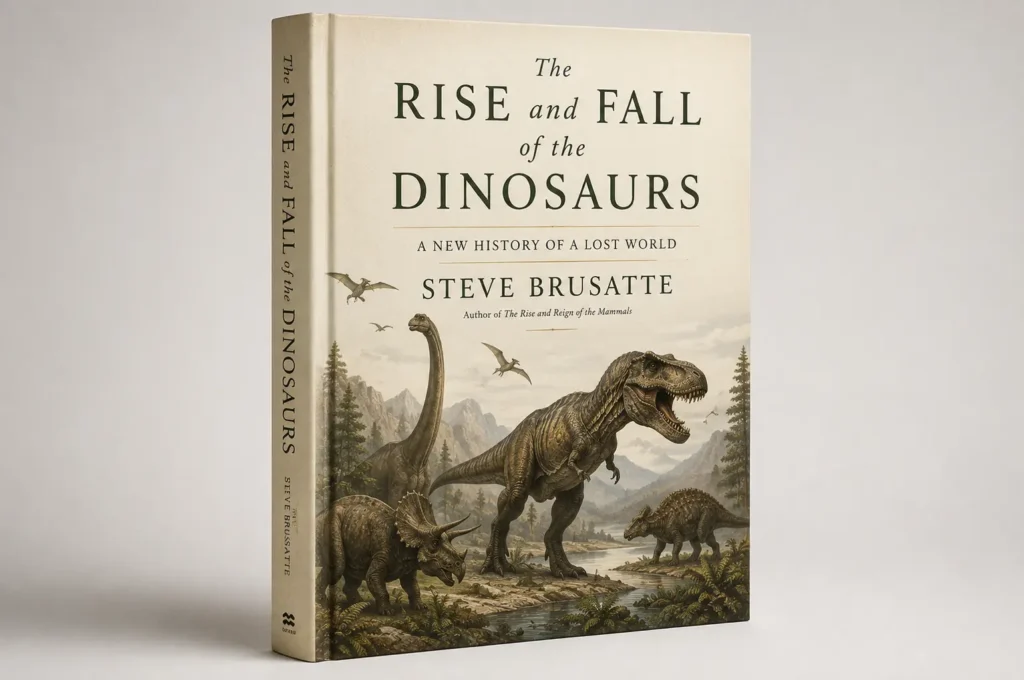
The Rise and Fall of the Dinosaurs
A compelling history of dinosaurs, tracing their origins, diversification, 200-million-year reign, extinction, and enduring legacy.
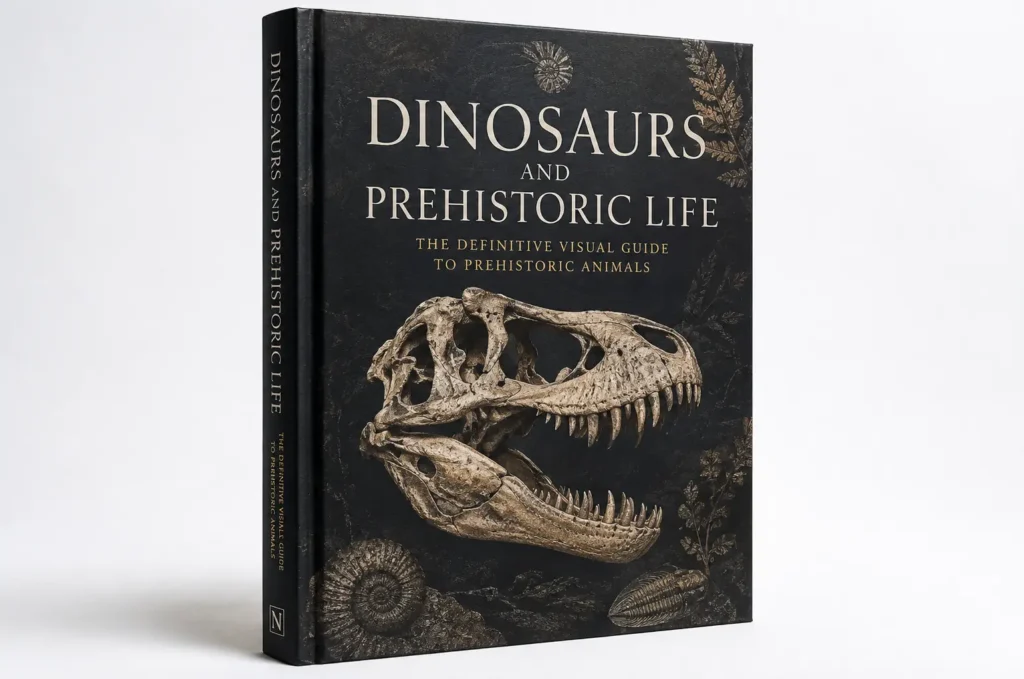
Dinosaurs and Prehistoric Life
A richly illustrated visual reference exploring dinosaurs, fossils, evolution, and prehistoric life across geological time.
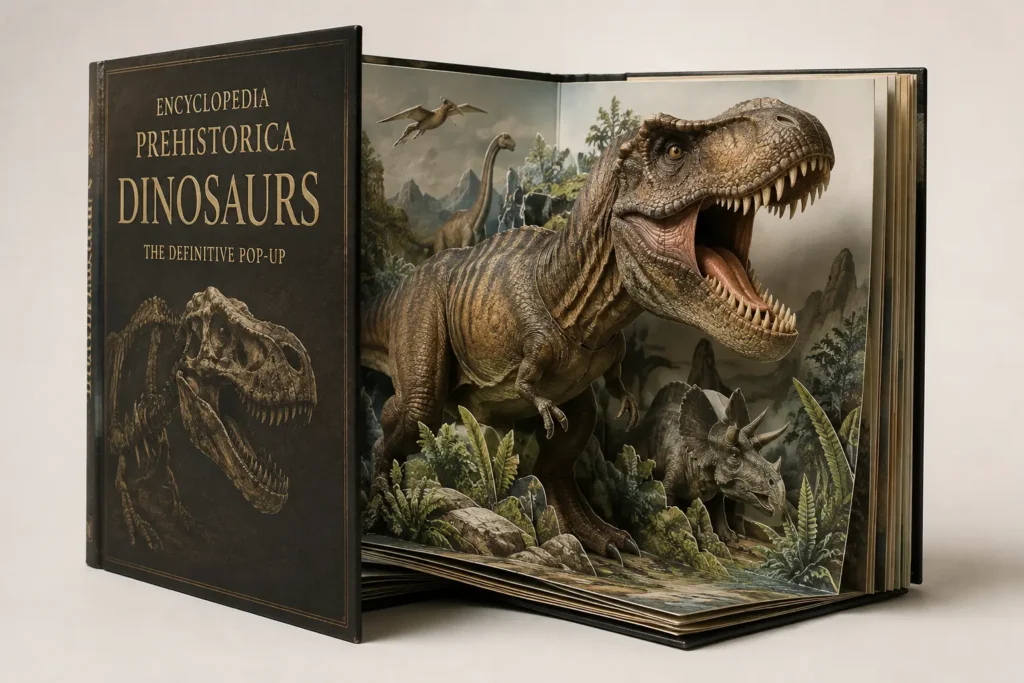
Encyclopedia Prehistorica: Dinosaurs
An interactive dinosaur book featuring spectacular three-dimensional pop-ups, particularly suited to young readers and families.
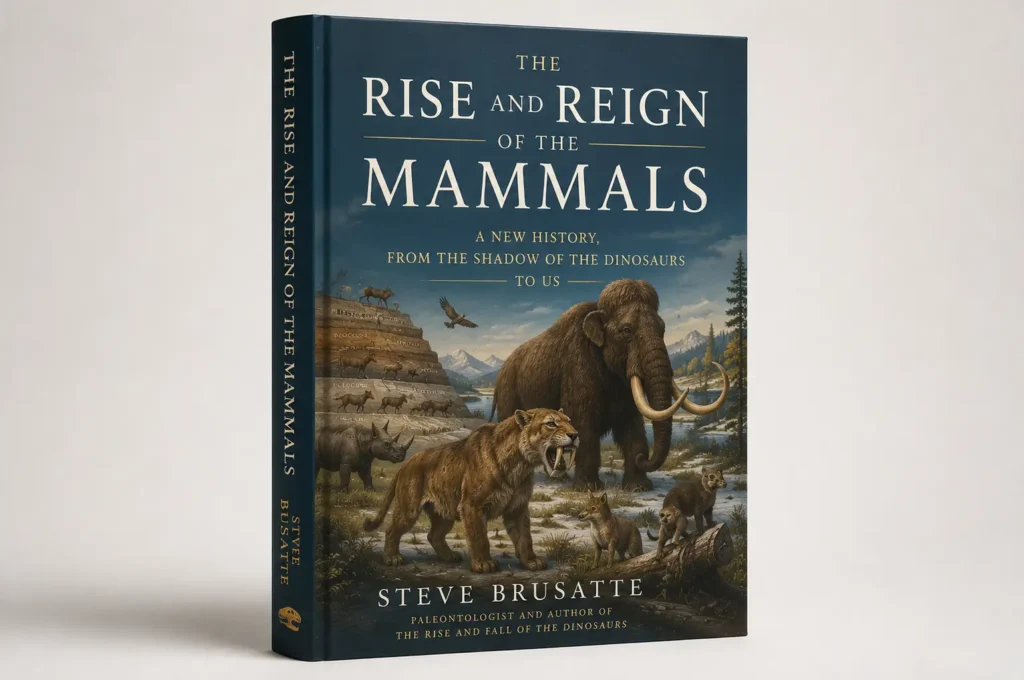
The Rise and Reign of the Mammals
A sweeping history of mammalian evolution, from their origins alongside dinosaurs through the Cenozoic and the emergence of humans.