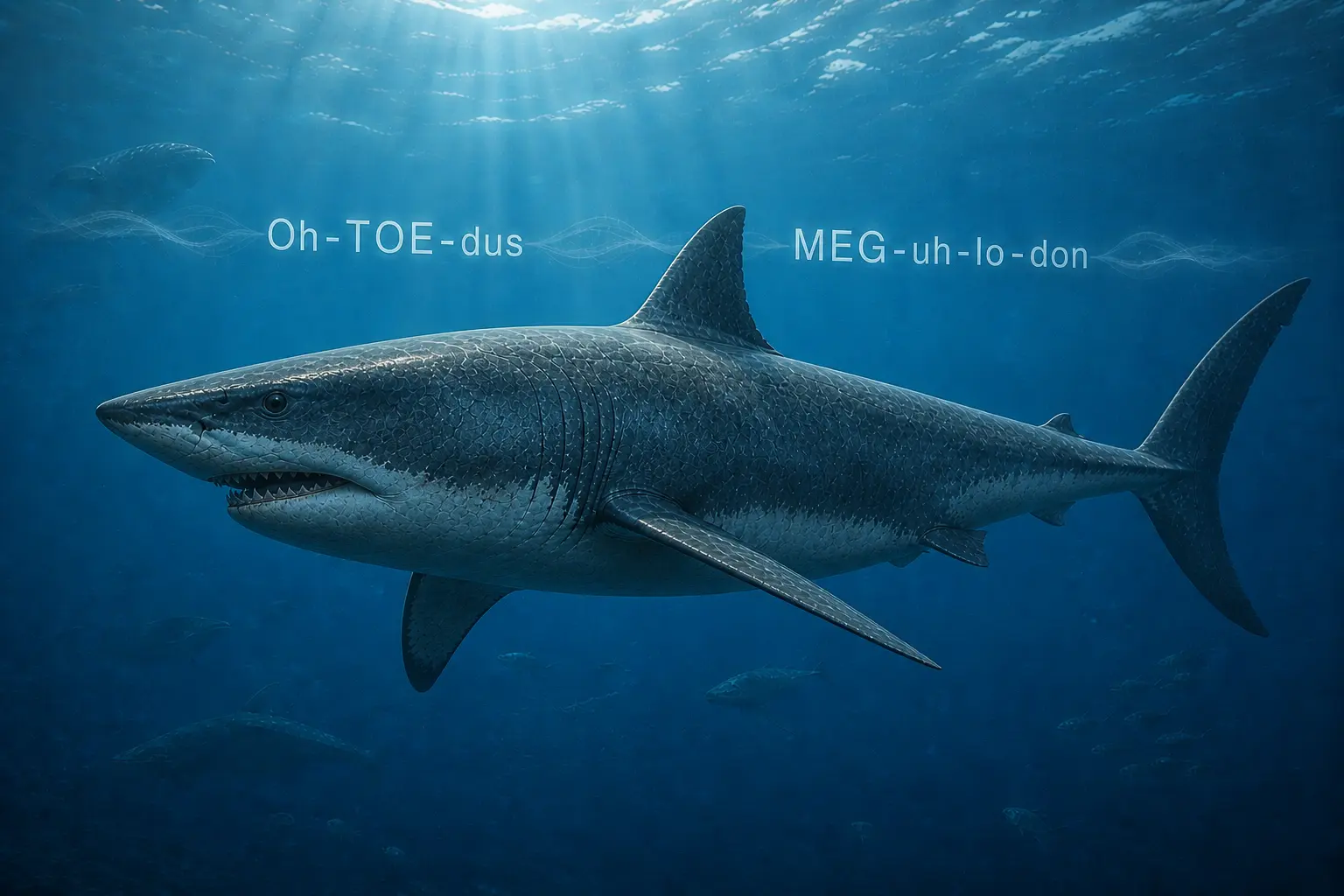
| Field | Information |
|---|---|
| Species | Otodus megalodon — Otodontidae |
| Pronunciation | oh-TOH-dus MEG-uh-loh-don |
| Syllable count | Otodus: 3 syllables / megalodon: 4 syllables |
| Name origin | Greek: ous (ear) + odous (tooth) / megas (large) + odous (tooth) |
| Common mispronunciation | meh-GAL-oh-don (stress error); ott-OH-dus (vowel error) |
Quick Answer:Otodus megalodon is pronounced oh-TOH-dus MEG-uh-loh-don. The stress in Otodus falls on the second syllable (TOH); the stress in megalodon falls on the first syllable (MEG). Both words derive from Greek roots meaning “ear tooth” and “big tooth” respectively.
Two words, seven syllables, one pronunciation that trips up almost everyone the first time. Here is exactly how to say it — and what you are actually saying when you do.
How to Pronounce Otodus Megalodon
The full scientific name breaks down as follows:
Otodus — oh-TOH-dus
- O-: short “oh” sound, as in “open.”
- -TO-: stressed syllable — “TOH” rhymes with “go.”
- -dus: unstressed — “duss,” short vowel
Megalodon — MEG-uh-loh-don
- MEG-: stressed first syllable — hard “g,” rhymes with “leg.”
- -uh-: unstressed schwa
- -loh-: “loh” as in “low.”
- -don: “don” as in the name Don — not “dohn.”
The full name spoken together: oh-TOH-dus MEG-uh-loh-don
A common error places the stress on the second syllable of megalodon — “meh-GAL-oh-don” — which is incorrect. Another frequent error produces “ott-OH-dus” for the genus name, misreading the initial vowel. Both errors are understandable given that neither word appears in everyday English.
What Does the Name Mean?
The genus name Otodus combines two Greek words: ous (genitive: otos), meaning ear, and odous, meaning tooth. The name refers to the ear-shaped lobes — auricles — visible at the base of teeth in earlier members of the Otodus lineage.
By the time the lineage reached O. megalodon, the pronounced auricles of ancestral forms had been reduced, making the name slightly less visually intuitive for this species than for its predecessors.
The species epithet megalodon combines megas (large, great) and odous (tooth) — meaning simply “big tooth.” This portion of the name is accurate for megalodon at any stage of the lineage and is the part most people know, even if they have never encountered the genus name.
The full name translates approximately as: “ear-toothed big tooth” — a compound description that made better visual sense applied to the ancestral Otodus forms with prominent auricles than to megalodon itself.
Why Two Names?
All formally described species carry a two-part scientific name — a binomial — under the system established by Carl Linnaeus in the 18th century and governed today by the International Code of Zoological Nomenclature.
- The first part (Otodus) is the genus — the broader group the species belongs to.
- The second part (megalodon) is the species epithet — the specific identifier within that genus.
Together they form a unique, internationally recognised label that works regardless of language. The common name “megalodon” is widely understood but is not a formal taxonomic designation.
Related and Contemporary Species
- Otodus obliquus — pronounced oh-TOH-dus oh-BLEE-kwus; earlier member of the same genus
- Otodus chubutensis — oh-TOH-dus choo-boo-TEN-sis; direct predecessor in the lineage
- Carcharodon carcharias — kar-KAR-oh-don kar-KAR-ee-us; the great white shark, formerly grouped with megalodon
- Livyatan melvillei — liv-YAH-tan mel-VIL-ee-eye; named after the biblical Leviathan and Herman Melville
- Cretalamna appendiculata — kret-uh-LAM-nuh ap-en-DIK-yoo-LAH-tuh; Cretaceous ancestor of the Otodontidae
Frequently Asked Questions
Is it “megalodon” or “megalodон”?
The correct English form is megalodon — four syllables, stress on the first: MEG-uh-loh-don. There is no alternate spelling in standard use. The word derives directly from Greek (megas + odous), and the anglicised form has been stable since Agassiz’s 1843 description.
How do you pronounce Otodontidae?
The family name Otodontidae — the extinct shark family to which megalodon belongs — is pronounced oh-toh-DON-tih-dee. The stress falls on the third syllable: -DON-. It follows the standard Latin family-name ending -idae, pronounced: “ih-dee.”
Why does the genus name sound so unfamiliar?
Otodus is rarely used in popular media — most coverage refers to the animal simply as “megalodon.” The genus name entered wider use following the reclassification of the species from Carcharodon megalodon to Otodus megalodon, and many people encounter it for the first time when researching the name change. The pronunciation guide above applies equally to all members of the genus.
Conclusion
Otodus megalodon — oh-TOH-dus MEG-uh-loh-don. Stress the second syllable of the genus, stress the first syllable of the species epithet, and you have it. Behind those seven syllables is a name assembled from Greek roots meaning ear, tooth, large, and tooth again — a description built from the most abundant evidence this animal left behind.
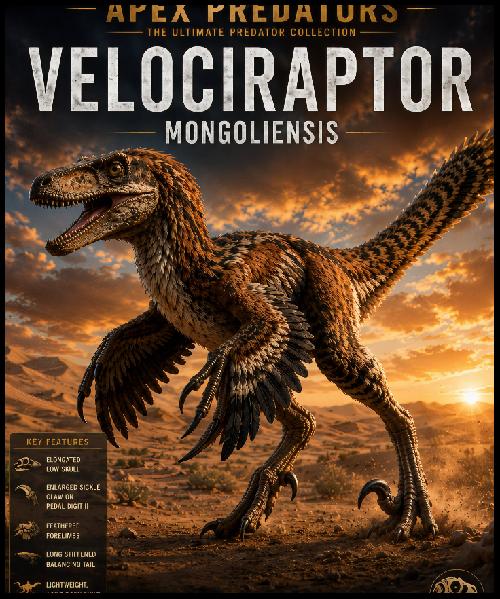
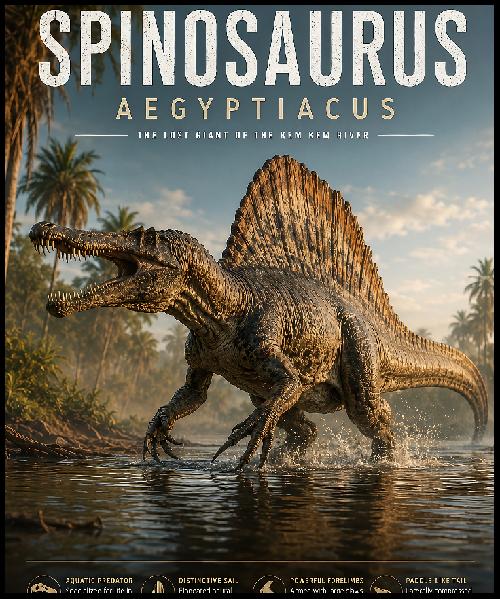
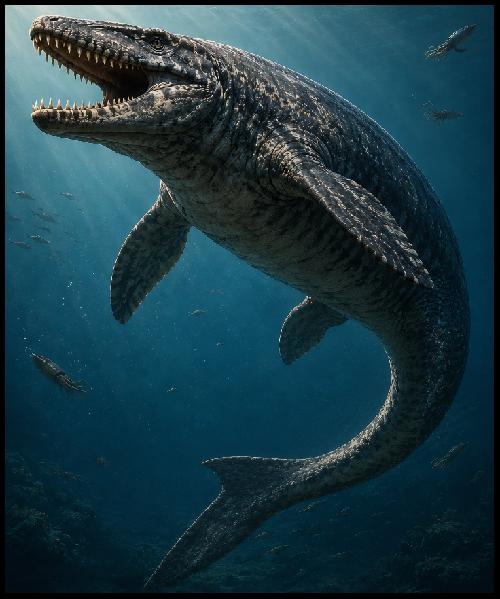
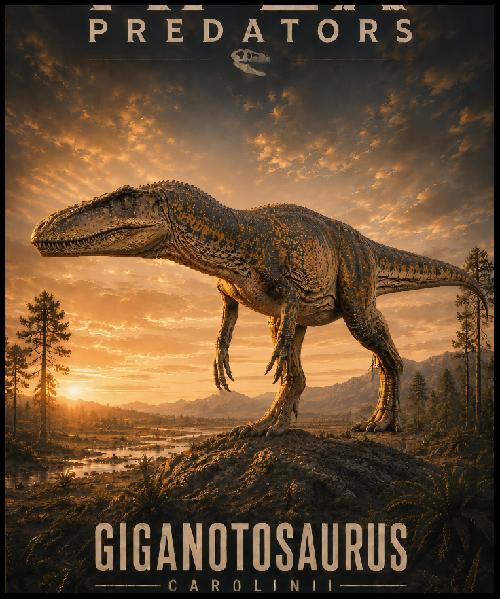
Featured Museum Collections
Museum-quality paleoart and educational poster
collections based on evidence-informed prehistoric
Life reconstructions.