
Species Quick Info
| Field | Information |
|---|---|
| Scientific Name | Triceratops horridus |
| Topic | Behavior |
| Taxonomic Group | Ceratopsidae |
| Geological Age | Late Cretaceous (Maastrichtian, approximately 68–66 million years ago) |
| Geographic Range | Western North America (Laramidia) |
| Diet | Herbivorous browser |
| Primary Evidence | Fossil skeletons, bone histology, biomechanics, healed injuries, trace fossils, and comparisons with living animals |
| Evidence Strength | High Overall, Varies by Behavior |
Quick Answer
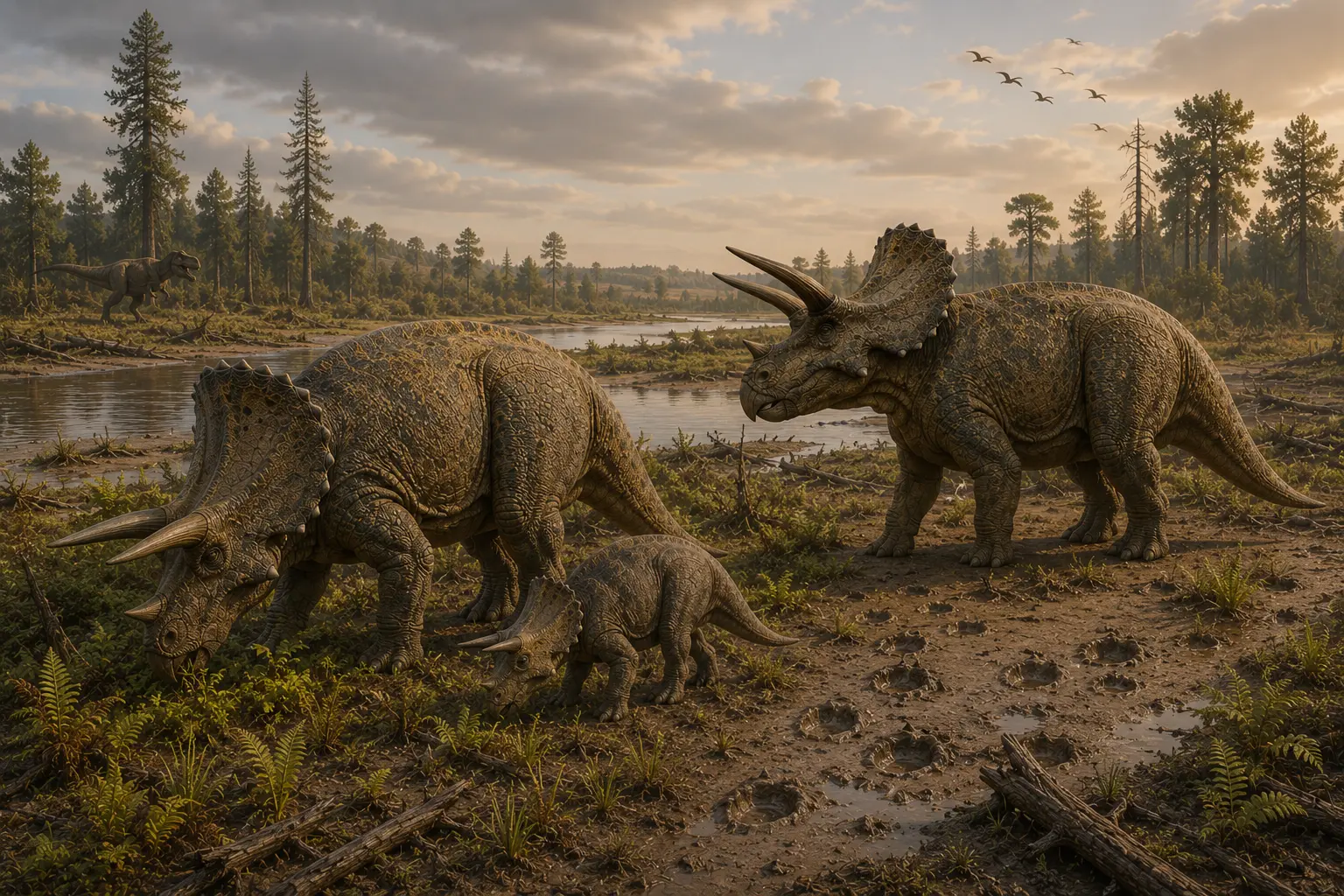
Triceratops horridus was a large herbivorous dinosaur whose behavior is reconstructed primarily from its anatomy, fossil evidence, and comparisons with living vertebrates. Current evidence indicates that it browsed on low-growing vegetation, relied on its horns and massive skull for defence and possibly in competition with other individuals, and underwent significant behavioural changes as it matured.
Some aspects of its behavior are strongly supported by direct fossil evidence. For example, its powerful jaws and specialized teeth clearly indicate an adaptation for processing tough plant material, while healed injuries on skulls demonstrate that individuals survived traumatic impacts during life. Other behaviors—such as herd living, parental care, and communication—are less certain because they leave few direct traces in the fossil record.
Overall, Triceratops is interpreted as a slow-moving but powerful megaherbivore that played a dominant ecological role in the latest Cretaceous ecosystems of western North America.
Behavior Evidence Strength Overview
| Topic | Confidence | Evidence Type |
|---|---|---|
| Feeding Behavior | High | Skull anatomy, dentition, jaw mechanics, wear patterns |
| Defensive Behavior | High | Horn morphology, healed injuries, biomechanics |
| Growth and Ontogeny | Exceptional | Numerous juvenile and adult fossils, bone histology |
| Social Behavior | Moderate | Fossil distribution, comparisons with other ceratopsians |
| Horn Function | Moderate to High | Functional morphology and pathology |
| Communication and Display | Moderate | Comparative anatomy and evolutionary inference |
| Reproduction | Limited | Inference from living archosaurs |
| Parenting | Low to Moderate | Comparative biology |
| Daily Activity | Low | Functional inference only |
Summary
| Category | Current Understanding |
|---|---|
| Lifestyle | Large terrestrial herbivore |
| Feeding Strategy | Low-level browser |
| Primary Defence | Horns, frill, large body size |
| Social Behaviour | Uncertain; possibly variable throughout life |
| Movement | Quadrupedal |
| Growth | Rapid juvenile growth followed by slower adult growth |
| Scientific Confidence | High for feeding and defence; lower for social and reproductive behaviour |
Introduction
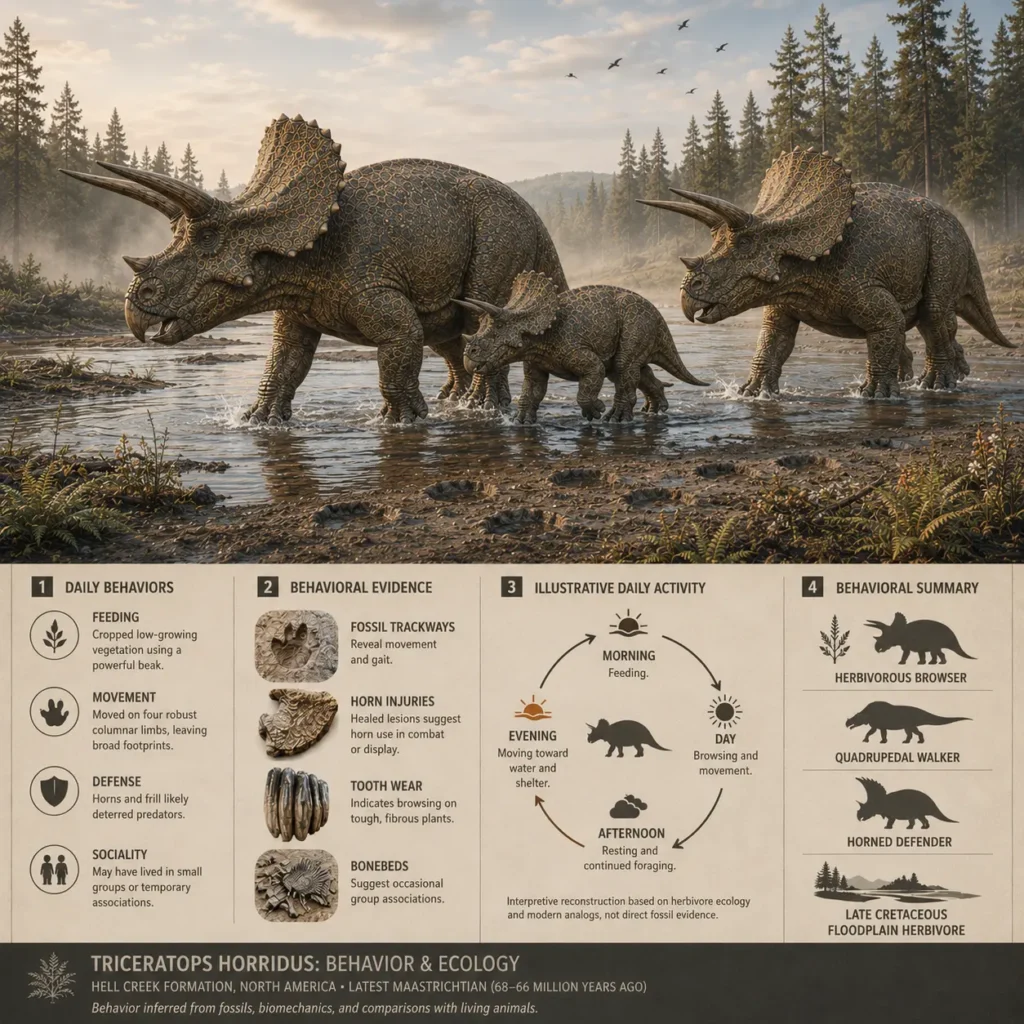
Unlike bones or teeth, behaviour rarely fossilizes directly. As a result, understanding how Triceratops horridus lived requires combining several independent sources of evidence, including skeletal anatomy, bone histology, healed injuries, trace fossils, biomechanics, and comparisons with living reptiles and birds.
Fortunately, Triceratops is represented by one of the richest fossil records of any dinosaur. Hundreds of skulls and numerous partial and nearly complete skeletons preserve detailed information about body proportions, muscle attachment sites, and growth. These fossils allow scientists to reconstruct how the animal fed, defended itself, moved through its environment, and developed from hatchling to adult.
Some behavioural interpretations are supported by exceptionally strong evidence. For example, the powerful jaws and sophisticated dental batteries clearly demonstrate that Triceratops specialized in processing tough vegetation. Likewise, healed lesions on skulls indicate that individuals survived injuries, some of which are consistent with horn impacts from other Triceratops.
Other aspects of behaviour remain more uncertain. Questions regarding herd formation, parental care, seasonal movements, and communication cannot be answered directly from fossils and instead rely on careful interpretation of anatomical and ecological evidence.
Consequently, behavioural reconstructions should be viewed along a spectrum of confidence, ranging from well-supported conclusions to plausible scientific hypotheses.
What Was Triceratops Like?
Behavioral Overview
| Behaviour | Current Interpretation |
|---|---|
| Feeding | Herbivorous browser |
| Defence | Active use of horns and body size |
| Locomotion | Slow but powerful quadruped |
| Sociality | Uncertain; possibly solitary or seasonally social |
| Growth | Extended juvenile development with major anatomical changes |
| Communication | Likely visual and behavioural displays |
Triceratops horridus was among the dominant megaherbivores of the Late Cretaceous. Adults combined immense body size with a heavily built skeleton, powerful limbs, and one of the largest skulls ever evolved by a terrestrial vertebrate.
Its behaviour was probably shaped by three major ecological pressures:
- Acquiring sufficient food to sustain a body mass of several tonnes.
- Avoiding or surviving encounters with large predators such as Tyrannosaurus rex.
- Interacting with other members of its own species during growth and reproduction.
Unlike highly specialized predators, Triceratops likely spent much of each day feeding. Large herbivores require substantial amounts of vegetation to meet their energetic needs, making foraging the dominant daily activity.
Its broad stance, robust limbs, and relatively short body proportions indicate an animal adapted for stability and endurance rather than speed. Although capable of moving efficiently across floodplains and forests, it was probably unable to outrun major predators over long distances.
Instead, survival likely depended on early detection of danger, defensive use of its horns, and the protection provided by its massive skull and muscular body.
Evidence Strength
High Direct and Functional Evidence
Overall behavioural reconstructions are strongly supported by skeletal anatomy and biomechanics, although some behavioural details remain inferential.
Feeding Behavior
Feeding is among the best-understood aspects of Triceratops behaviour because the skull, jaws, and teeth preserve direct evidence of dietary adaptations.
The enormous skull supported one of the most specialized feeding systems known among herbivorous dinosaurs. A sharp keratin-covered beak at the front of the jaws clipped vegetation, while extensive dental batteries containing continuously replacing teeth sliced plant material before swallowing.
Unlike mammals, Triceratops did not chew using side-to-side jaw movements. Instead, its jaws produced powerful vertical and slightly shearing motions capable of processing tough stems, branches, leaves, and other fibrous vegetation.
Feeding Adaptations
| Feature | Behavioural Significance |
|---|---|
| Keratinous Beak | Clipping vegetation |
| Dental Batteries | Efficient processing of tough plants |
| Powerful Jaw Muscles | High bite forces |
| Continuous Tooth Replacement | Compensation for heavy tooth wear |
| Low Head Position | Browsing close to the ground |
These anatomical features indicate a browsing lifestyle rather than grazing. During the Late Cretaceous, grasses were not yet a dominant component of terrestrial ecosystems. Instead, Triceratops likely fed on:
- Broad-leaved flowering plants
- Shrubs
- Ferns
- Young conifers
- Low tree branches
- Wetland vegetation
The relatively low position of the head suggests that most feeding occurred below approximately two metres, although taller shrubs and saplings may also have been accessible.
Daily Feeding Strategy
Because adult Triceratops weighed several tonnes, maintaining sufficient energy intake would have required many hours of feeding each day.
Scientists infer that individuals probably:
- Moved slowly while browsing.
- Fed continuously for extended periods.
- Shifted between patches of vegetation as food was depleted.
- Utilized river floodplains and forest margins where plant productivity was highest.
Rather than stripping entire trees, Triceratops likely selected leaves, shoots, and woody stems within reach of its beak.
Wear patterns preserved on fossil teeth indicate repeated processing of abrasive vegetation, while the continual replacement of teeth prevented excessive wear from reducing feeding efficiency.
Jaw Mechanics
Biomechanical studies demonstrate that Triceratops generated exceptionally powerful bite forces compared with many other herbivorous dinosaurs.
Large jaw muscles attached to extensive muscle attachment areas behind the skull powered the feeding apparatus. The deep skull, broad frill, and reinforced facial bones helped withstand substantial feeding stresses generated during biting.
Although hadrosaurs possessed more complex chewing mechanisms, Triceratops compensated through sheer bite strength and durable dental batteries capable of processing coarse plant material.
Did Triceratops Select Specific Plants?
Exactly which plants Triceratops preferred remains uncertain because unequivocal fossilized stomach contents have not been discovered.
Nevertheless, several lines of evidence indicate that dietary choices were probably influenced by:
- Plant availability.
- Nutritional quality.
- Seasonal growth cycles.
- Vegetation height.
- Ease of harvesting.
Its broad beak may have allowed relatively selective browsing, enabling individuals to choose nutritious shoots and leaves rather than consuming vegetation indiscriminately.
As in modern large herbivores, feeding behaviour probably varied with local habitat, seasonal plant productivity, and the nutritional requirements of different age classes.
Evidence Strength
High Direct and Functional Evidence
Feeding behaviour is reconstructed from exceptionally well-preserved skulls, jaw mechanics, dental wear, tooth replacement patterns, and functional biomechanical analyses. While the exact composition of the diet remains uncertain, the overall browsing strategy is strongly supported by multiple independent lines of evidence.
Social Behavior
Among all aspects of Triceratops horridus biology, social behaviour is one of the most difficult to reconstruct. Unlike bones, behaviours such as group living, territoriality, or seasonal migration rarely leave direct fossil evidence. Consequently, interpretations rely on fossil distributions, comparisons with related ceratopsians, skeletal anatomy, and ecological reasoning.
Current evidence does not conclusively demonstrate that Triceratops lived in large permanent herds like modern bison or wildebeest. At the same time, there is no evidence that it was strictly solitary throughout its life.
The most scientifically supported interpretation is that Triceratops likely exhibited flexible social behaviour, with interactions varying according to age, reproductive status, season, and environmental conditions.
Current Interpretations
| Behaviour | Current Evidence |
|---|---|
| Permanent Herds | Not demonstrated |
| Temporary Groups | Plausible |
| Solitary Adults | Plausible |
| Juvenile Associations | Possible |
| Seasonal Aggregations | Possible but unconfirmed |
Unlike centrosaurine ceratopsids such as Centrosaurus and Pachyrhinosaurus, which are known from extensive bonebeds containing numerous individuals, Triceratops fossils are more commonly recovered as isolated skeletons or isolated skulls.
This difference may reflect genuine behavioural differences, but it may also result from environmental conditions affecting fossil preservation. For this reason, the absence of large Triceratops bonebeds cannot be interpreted as definitive evidence of solitary behaviour.
Evidence From Bonebeds
Mass death assemblages have transformed scientific understanding of several ceratopsian species by demonstrating that at least some horned dinosaurs gathered in large groups.
However:
- No confirmed Triceratops bonebed comparable to those of Centrosaurus has been discovered.
- Most specimens represent isolated individuals.
- Small associations of individuals occasionally occur but do not demonstrate permanent herding.
Consequently, current evidence neither confirms nor excludes social living.
Juvenile Social Behaviour
Several researchers have suggested that juvenile Triceratops may have been more social than adults.
Possible reasons include:
- Reduced vulnerability to predators.
- Shared feeding opportunities.
- Similar nutritional requirements.
- Increased survival through group vigilance.
This pattern resembles many modern large herbivores, in which young animals often remain in groups while mature adults become increasingly independent.
Although plausible, direct fossil evidence for age-specific social structure remains limited.
Evidence Strength
Moderate Evidence
Current interpretations are based primarily on fossil occurrence patterns, comparisons with other ceratopsids, and ecological reasoning. Direct evidence for permanent social organization is lacking.
Defensive Behavior
Defence represents one of the best-supported aspects of Triceratops behaviour because it is closely linked to anatomy, biomechanics, and pathological evidence preserved in fossils.
The enormous skull, paired brow horns, nasal horn, muscular neck, and robust body formed one of the most formidable defensive systems evolved by any herbivorous dinosaur.
Primary Defensive Features
| Structure | Defensive Function |
|---|---|
| Brow Horns | Deterrence and active defence |
| Nasal Horn | Close-range defence and display |
| Bony Frill | Protection of neck muscles and posterior skull |
| Massive Skull | Resistance to impact |
| Large Body Size | Reduced vulnerability to predators |
The principal predator within the Triceratops ecosystem was Tyrannosaurus rex.
Numerous fossils preserve healed bite marks, punctures, and fractures consistent with attacks by large theropods. Importantly, many injuries show extensive healing, demonstrating that affected individuals survived these encounters.
These fossils provide rare direct evidence that Triceratops successfully defended itself on at least some occasions.
Horn Use
The large brow horns were ideally positioned to:
- Face approaching predators.
- Deliver forward thrusts.
- Keep attackers at a distance.
- Protect vulnerable areas of the head and neck.
Biomechanical studies indicate that the horns were capable of withstanding substantial forces, making them functional weapons rather than purely ornamental structures.
Exactly how often adults actively fought predators cannot be determined, but the anatomy strongly supports an important defensive role.
Evidence From Injuries
Several Triceratops skulls are preserved:
- Healed horn-core injuries.
- Fractures of the frill.
- Bone infections following trauma.
- Bite marks attributed to Tyrannosaurus rex.
Because many injuries healed completely, they demonstrate survival after severe trauma rather than postmortem damage.
These specimens provide some of the strongest behavioural evidence available for any dinosaur.
Evidence Strength
High Direct Evidence
Defensive behaviour is supported by horn morphology, biomechanics, healed skeletal injuries, and predator-inflicted bite marks preserved on multiple specimens.
Movement and Daily Activity
The body of Triceratops was adapted for stability, strength, and sustained movement rather than speed.
Its short, robust limbs supported a body weighing several tonnes, while broad feet distributed weight across soft floodplain soils.
Locomotor Characteristics
| Feature | Behavioural Interpretation |
|---|---|
| Quadrupedal Stance | Stable locomotion |
| Robust Limbs | Weight-bearing specialization |
| Broad Feet | Efficient movement across soft substrates |
| Low Centre of Gravity | Increased stability |
Biomechanical analyses suggest that the adult Triceratops was capable of walking efficiently over long distances while foraging but probably lacked the speed required for prolonged pursuit or escape.
Instead, its survival strategy likely emphasized:
- Early detection of danger.
- Defensive confrontation.
- Short bursts of acceleration.
- Protection provided by horns and body size.
Daily Activity
Direct evidence for activity patterns does not exist.
Nevertheless, scientists infer that much of the day would have been devoted to:
- Feeding.
- Moving between feeding sites.
- Drinking.
- Resting.
- Interacting with other individuals.
- Remaining alert for predators.
Because enormous herbivores require large quantities of food, feeding almost certainly occupied the majority of daylight hours.
Whether Triceratops was exclusively diurnal or occasionally active during twilight remains unknown.
Evidence Strength
Moderate Functional Evidence
Movement is strongly supported by skeletal anatomy and biomechanics, whereas daily activity patterns remain largely inferential.
Growth and Life History
The ontogeny of Triceratops is among the best documented of any dinosaur because fossils represent nearly every stage of development.
Juveniles differed markedly from adults.
During growth:
- Brow horns changed orientation.
- The frill expanded dramatically.
- Limb bones became increasingly robust.
- Body mass increased rapidly.
- Muscle attachment sites enlarged.
These changes indicate that behaviour probably changed throughout life as individuals matured.
Growth Stages
| Stage | Behavioural Characteristics |
|---|---|
| Hatchling | Highly vulnerable |
| Juvenile | Rapid growth, possible increased sociality |
| Subadult | Increasing independence |
| Adult | Fully developed defensive structures |
Bone histology indicates that growth slowed substantially after skeletal maturity, although individuals probably continued to remodel bone throughout adulthood.
Because juvenile skulls differed dramatically from adult skulls, behavioural roles such as defence, competition, and display likely changed during development.
Evidence Strength
Exceptional Direct Evidence
Growth is documented by extensive fossil material representing multiple life stages, together with detailed histological studies.
Reproduction and Parenting
Direct evidence for reproduction in Triceratops is extremely limited.
No confirmed nests, eggs, or embryos attributable to Triceratops horridus have yet been described.
Consequently, reproductive behaviour is inferred primarily from:
- Dinosaur reproductive biology.
- Living birds.
- Crocodilians.
- Other ceratopsians.
Scientists generally infer that reproduction involved:
- Egg laying.
- Internal fertilization.
- Seasonal breeding.
- Nest construction.
Whether adults guarded nests or cared extensively for hatchlings remains unknown.
Some degree of parental care is plausible because many modern archosaurs exhibit it, but direct evidence is lacking.
Evidence Strength
Low to Moderate Evidence
Most interpretations rely on evolutionary comparisons with living archosaurs rather than direct fossil evidence.
Communication and Display
The remarkable skull of Triceratops almost certainly served purposes beyond feeding and defence.
Its large frill and prominent horns created one of the most visually distinctive silhouettes among dinosaurs.
Scientists propose several possible communication functions.
Possible Display Functions
| Behaviour | Current Support |
|---|---|
| Species Recognition | Moderate |
| Mate Attraction | Moderate |
| Dominance Display | Moderate |
| Threat Display | Moderate |
| Visual Signalling | Moderate |
Horn orientation and frill shape varied during growth, suggesting that visual appearance became increasingly important as animals reached maturity.
Some researchers propose that individuals recognized one another using facial features, while others suggest that horn displays reduced the need for dangerous physical combat by allowing rivals to assess one another visually.
Intraspecific Competition
One of the strongest lines of evidence for behavioural interactions comes from healed lesions on the frill and horns.
Several pathological studies have identified injuries that are:
- Concentrated on anatomically exposed regions.
- Consistent with horn impacts.
- Similar to injuries produced during combat in living horned mammals.
Although these injuries cannot prove ritualized combat, they support the hypothesis that at least some adults engaged in physical interactions with members of their own species.
Vocal Communication
No direct evidence preserves dinosaur vocalizations.
Based on comparisons with birds and crocodilians, Triceratops may have produced:
- Low-frequency calls.
- Grunts.
- Bellows.
- Hissing sounds.
These possibilities remain speculative because the soft tissues responsible for sound production are not preserved.
Evidence Strength
Moderate Functional Evidence
Visual display is supported by skull anatomy, ontogenetic changes, and pathological evidence. Vocal communication remains speculative and is inferred solely from comparisons with living archosaurs.
Current Evidence Status
The behavior of Triceratops horridus is reconstructed using one of the largest fossil datasets available for any non-avian dinosaur. Hundreds of skulls, numerous articulated skeletons, juvenile and adult specimens, healed injuries, bone histology, biomechanical analyses, and detailed studies of jaw function collectively provide substantial insight into how the animal lived.
However, behavior cannot usually be observed directly in fossils. As a result, scientific confidence varies considerably depending on the specific behavior being reconstructed. Behaviors closely tied to anatomy—such as feeding mechanics and defensive capabilities—are supported by strong direct evidence. In contrast, behaviors such as social organization, vocal communication, and parental care depend more heavily on functional inference and comparisons with living archosaurs.
Recognizing these differences in evidence strength is essential for interpreting behavioral reconstructions accurately.
Behavioral Evidence Assessment
| Topic | Evidence Strength | Current Confidence |
|---|---|---|
| Feeding Behavior | High Direct and Functional Evidence | High |
| Jaw Mechanics | Exceptional Direct Evidence | Very High |
| Tooth Replacement | Exceptional Direct Evidence | Very High |
| Defensive Behavior | High Direct Evidence | High |
| Horn Function | Moderate to High Evidence | High |
| Growth and Ontogeny | Exceptional Direct Evidence | Very High |
| Social Behavior | Moderate Evidence | Moderate |
| Communication Through Visual Display | Moderate Functional Evidence | Moderate |
| Reproduction | Limited Direct Evidence | Low |
| Parenting | Low to Moderate Evidence | Low |
| Vocal Communication | Speculative | Very Low |
| Daily Activity Patterns | Limited Evidence | Low |
The highest-confidence behavioral interpretations arise from anatomical structures whose functions can be tested biomechanically. The skull, beak, dental batteries, and jaw musculature provide compelling evidence for browsing on tough vegetation, while horn morphology and healed cranial injuries demonstrate that the horns could withstand substantial forces and were used during life.
Ontogenetic studies also provide exceptional evidence for behavioral change throughout development. Fossils representing nearly every growth stage reveal major transformations in skull shape, horn orientation, and body proportions, indicating that juvenile and adult Triceratops almost certainly differed in behavior.
By contrast, questions involving social organization remain difficult to answer. The current fossil record does not conclusively demonstrate either permanent herd living or strict solitary behavior. Similarly, no direct fossil evidence documents nesting behavior, parental care, or vocalizations.
Overall, Triceratops behavior is among the best understood of any ceratopsian dinosaur, but important aspects remain necessarily inferential because behavior rarely fossilizes directly.
Remaining Scientific Uncertainties
Although decades of research have greatly improved understanding of Triceratops horridus, several behavioral questions remain unresolved.
Outstanding Questions
| Topic | Current Understanding |
|---|---|
| Permanent Herd Living | Unknown |
| Seasonal Social Groups | Possible |
| Territorial Behavior | Poorly Understood |
| Nesting Biology | Unknown |
| Parental Care | Unknown |
| Vocal Communication | Speculative |
| Daily Activity Rhythm | Unknown |
| Seasonal Movements | Poorly Understood |
| Horn Use During Courtship | Plausible but Unconfirmed |
One of the most significant uncertainties concerns social organization. Unlike some other ceratopsians that occur in large monospecific bonebeds, Triceratops is more commonly represented by isolated individuals. Whether this reflects genuinely different social behavior or differences in fossil preservation remains unresolved.
The function of the horns also continues to be investigated. Most researchers agree that they served defensive purposes, but they may also have played roles in species recognition, courtship, dominance displays, or competition between individuals. These functions are not mutually exclusive, and the horns were likely used in multiple behavioral contexts.
Reproductive behavior is even less certain. No confirmed nests, eggs, or embryos attributable to Triceratops horridus have been discovered, making it impossible to reconstruct nesting strategies or parental investment directly. Comparisons with modern birds and crocodilians suggest egg laying and at least some reproductive care, but the extent of any parental behavior remains unknown.
Finally, aspects of everyday life—including activity patterns, home range size, seasonal movements, and communication—remain difficult to reconstruct because they leave few or no direct traces in the fossil record.
These uncertainties highlight the distinction between well-supported functional interpretations and behaviors that remain informed scientific hypotheses.
FAQ
Was Triceratops a herd animal?
Current evidence is inconclusive. Unlike several other ceratopsians, Triceratops has not been found in large monospecific bonebeds that clearly demonstrate permanent herd living. It may have lived alone, in small groups, or formed temporary seasonal aggregations.
How did Triceratops defend itself?
Its primary defenses were its large brow horns, nasal horn, massive skull, muscular neck, and enormous body size. Fossil evidence, including healed injuries and biomechanical analyses, strongly supports an active defensive role for these structures.
What did Triceratops eat?
Triceratops was a herbivorous browser that fed primarily on low-growing vegetation such as flowering plants, shrubs, ferns, young conifers, and other tough plant material available in Late Cretaceous floodplain ecosystems.
Did Triceratops fight Tyrannosaurus rex?
Evidence suggests that encounters occurred. Several Triceratops fossils preserve healed bite marks attributed to Tyrannosaurus rex, demonstrating that at least some individuals survived attacks. While direct evidence of combat is limited, predator–prey interactions between the two species are well supported.
Did Triceratops fight other Triceratops?
Possibly. Healed injuries on the horns and frill are consistent with impacts from other horned individuals, although they cannot conclusively demonstrate ritualized combat. Many researchers interpret these pathologies as evidence of intraspecific competition.
Did Triceratops care for its young?
There is currently no direct fossil evidence answering this question. Scientists infer that it laid eggs, but the degree of parental care remains unknown.
How certain are scientists about Triceratops behavior?
Confidence varies depending on the behavior being studied. Feeding mechanics, growth, and defensive capabilities are supported by strong evidence, whereas social behavior, communication, and parenting remain less certain because they are more difficult to observe in the fossil record.
Current Scientific Understanding
Current scientific evidence indicates that Triceratops horridus was a large quadrupedal herbivore whose behavior centered on browsing, growth, defense, and survival within the productive floodplain ecosystems of Late Cretaceous western North America. The anatomy of its skull, jaws, teeth, limbs, and horns provides strong evidence for a lifestyle focused on processing tough vegetation while relying on formidable physical defenses against predators.
Feeding behavior is among the best-supported aspects of its biology. Specialized dental batteries, powerful jaw musculature, and extensive tooth wear demonstrate efficient processing of fibrous plant material. Likewise, healed injuries and biomechanical studies support the interpretation that the horns were functional structures capable of resisting substantial forces during defensive encounters and possibly interactions with other Triceratops.
Growth is exceptionally well documented through numerous juvenile, subadult, and adult specimens. These fossils reveal profound anatomical changes during development, indicating that behavior likely evolved as individuals matured and acquired their characteristic horns and frill.
Other aspects of behavior remain less certain. Social organization, reproductive biology, parenting, communication, and daily activity patterns cannot be reconstructed directly from fossil evidence and therefore rely on functional inference and comparisons with living birds and crocodilians. While these interpretations are scientifically plausible, they remain less secure than conclusions based directly on anatomy and pathology.
Overall, Triceratops is one of the best-understood dinosaurs behaviorally because of its exceptional fossil record. Nevertheless, ongoing discoveries and advances in biomechanics, histology, and paleoecology continue to refine scientific understanding of how this iconic ceratopsian lived during the final two million years of the Cretaceous.
References
A. Primary Taxonomic Sources
- Marsh, O. C. (1889). Notice of new American Dinosauria. American Journal of Science, 37, 331–336.
- Marsh, O. C. (1890). Additional characters of the Ceratopsidae, with notice of new Cretaceous dinosaurs. American Journal of Science, 39, 418–426.
B. Ceratopsian Functional Morphology and Behavior
- Farke, A. A. (2004). Horn use in Triceratops (Dinosauria: Ceratopsidae): Testing behavioral hypotheses using scale models. Paleobiology, 30(3), 317–330.
- Farke, A. A. (2010). Evolution, homology, and function of the supracranial sinuses in Ceratopsia (Dinosauria: Ornithischia). Journal of Vertebrate Paleontology, 30(5), 1486–1500.
- Happ, J. (2008). An analysis of predator–prey behavior in Tyrannosaurus rex and Triceratops using healed bite marks and skeletal pathologies. In P. Larson & K. Carpenter (Eds.), Tyrannosaurus rex: The Tyrant King (pp. 355–368). Indiana University Press.
- Scannella, J. B., & Horner, J. R. (2010). Torosaurus Marsh, 1891, is Triceratops Marsh, 1889 (Ceratopsidae: Chasmosaurinae): Synonymy through ontogeny. Journal of Vertebrate Paleontology, 30(4), 1157–1168.
C. Growth and Paleobiology
- Dodson, P. (1996). The Horned Dinosaurs: A Natural History. Princeton University Press.
- Erickson, G. M., Makovicky, P. J., Currie, P. J., Norell, M. A., Yerby, S. A., & Brochu, C. A. (2004). Gigantism and comparative life-history parameters of tyrannosaurid dinosaurs. Nature, 430, 772–775.
- Mallon, J. C., Holmes, R., & Anderson, J. S. (2013). Dietary niche partitioning among large herbivorous dinosaurs from the Dinosaur Park Formation (Upper Cretaceous) of Alberta. PLOS ONE, 8(2), e57314.
- Scannella, J. B., Fowler, D. W., Goodwin, M. B., & Horner, J. R. (2014). Evolutionary trends in Triceratops from the Hell Creek Formation. Proceedings of the National Academy of Sciences, 111(28), 10245–10250.
D. General Reference Works
- Hone, D. W. E. (2022). The Future of Dinosaurs: What We Don’t Know, What We Can, and What We’ll Never Know. Bloomsbury Sigma.
- Paul, G. S. (2024). The Princeton Field Guide to Dinosaurs (3rd ed.). Princeton University Press.
- Weishampel, D. B., Dodson, P., & Osmólska, H. (Eds.). (2004). The Dinosauria (2nd ed.). University of California Press.
- Paleobiology Database. Triceratops horridus occurrence records and taxonomic data. https://paleobiodb.org
Recommended Paleontology & Natural History Books
As an Amazon Associate, Extinct Atlas may earn from qualifying purchases.
The Rise and Fall of the Dinosaurs
A compelling history of dinosaurs, tracing their origins, diversification, 200-million-year reign, extinction, and enduring legacy.
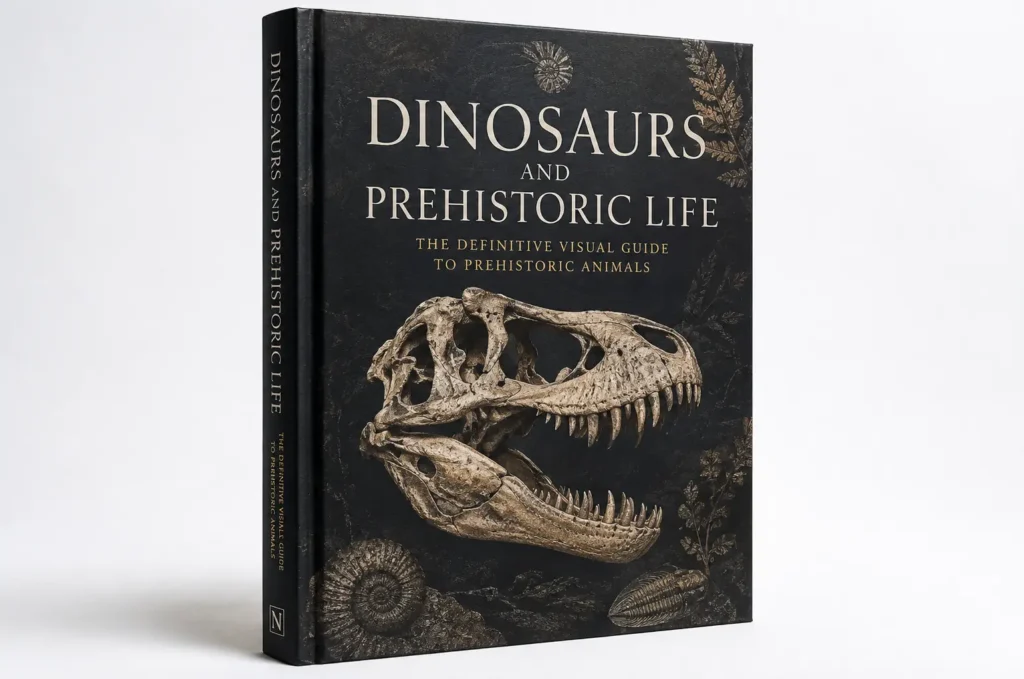
Dinosaurs and Prehistoric Life
A richly illustrated visual reference exploring dinosaurs, fossils, evolution, and prehistoric life across geological time.
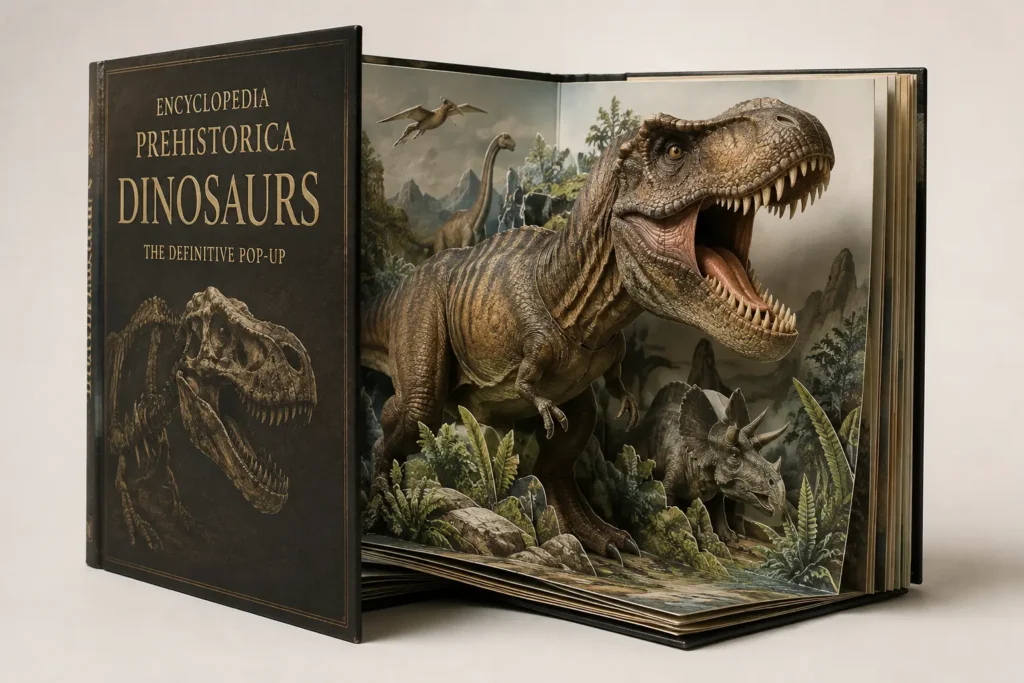
Encyclopedia Prehistorica: Dinosaurs
An interactive dinosaur book featuring spectacular three-dimensional pop-ups, particularly suited to young readers and families.
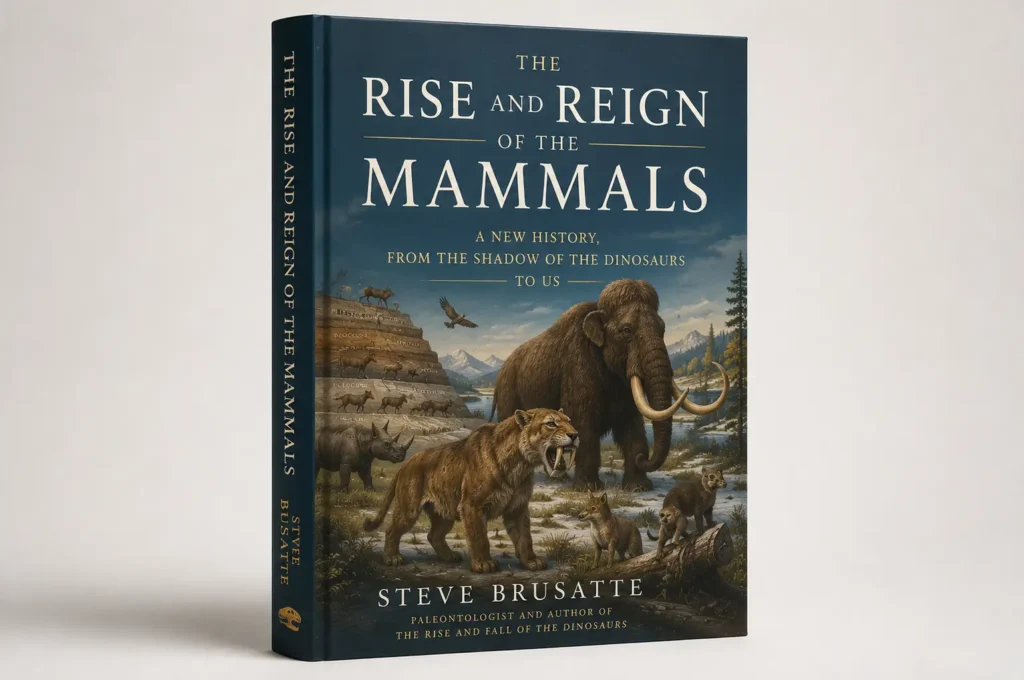
The Rise and Reign of the Mammals
A sweeping history of mammalian evolution, from their origins alongside dinosaurs through the Cenozoic and the emergence of humans.