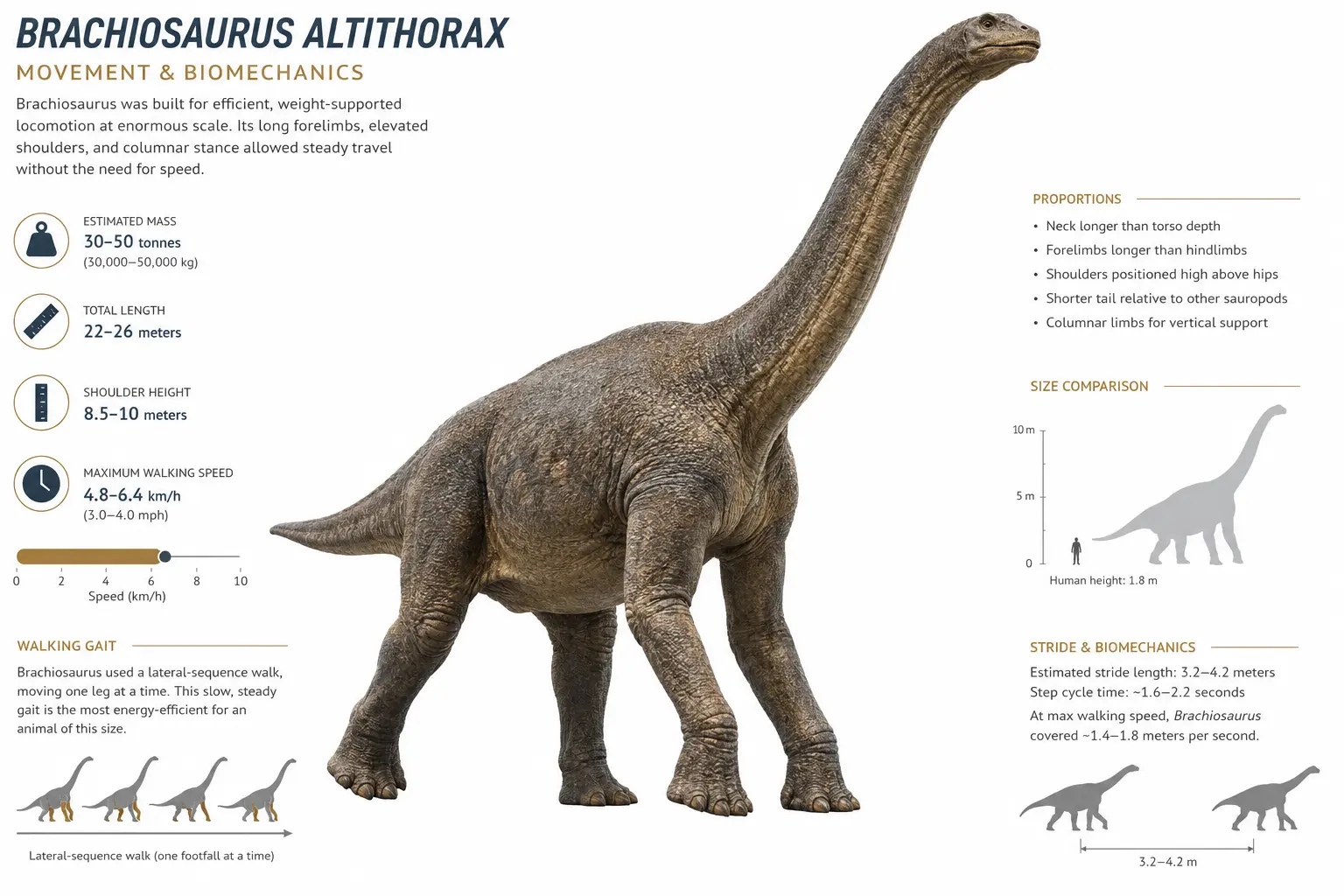
At a Glance
| Field | Information |
|---|---|
| Species | Brachiosaurus altithorax — Sauropoda, Brachiosauridae |
| Period | Late Jurassic, approximately 154–150 million years ago |
| Estimated walking speed | Approximately 2–4 km/h (1.2–2.5 mph) |
| Estimated maximum speed | Some biomechanical models have suggested maximum speeds approaching 20 km/h, although estimates vary considerably depending on modelling assumptions. |
| Gait type | Quadrupedal; a true running gait is generally considered unlikely in fully grown adults |
Quick Answer: Based on biomechanical modelling and comparisons with other large sauropods, Brachiosaurus altithorax likely travelled at a typical walking speed of approximately 2–4 km/h (1.2–2.5 mph). Some locomotion models have proposed theoretical maximum speeds approaching 20–30 km/h (12–19 mph), although such estimates remain uncertain and would likely represent brief upper limits rather than sustained movement. Current evidence indicates that fully grown adults rely primarily on slow, energy-efficient walking rather than rapid locomotion.

Introduction
Brachiosaurus altithorax was among the largest terrestrial animals known from the Late Jurassic, with body mass estimates generally ranging from approximately 28–62 metric tonnes. Moving such a large body required substantial skeletal support and efficient locomotor mechanics. Its long, column-like limbs, robust limb bones, and broad feet were adapted primarily for weight-bearing rather than speed. As a result, studies of Brachiosaurus locomotion focus less on rapid movement and more on how such a massive animal could move efficiently across its environment while maintaining skeletal stability and minimizing energy expenditure.
How Fast Could Brachiosaurus Move?
Because no direct measurements of dinosaur speed exist, estimates for Brachiosaurus are derived from biomechanical modelling, limb proportions, body mass estimates, and comparisons with modern large terrestrial animals. Most studies indicate that routine walking speeds likely fell within the range of approximately 2–4 km/h (1.2–2.5 mph), comparable to the normal walking pace of large mammals such as elephants.
Maximum speed estimates are more uncertain and depend heavily on modelling assumptions. Some biomechanical analyses of large sauropods have suggested theoretical upper limits approaching 20–30 km/h (12–19 mph). However, these figures should be interpreted cautiously because they are based on mathematical models rather than direct fossil evidence and involve extrapolations to animals substantially larger than any living land vertebrate.
No trackways can currently be attributed with confidence to Brachiosaurus altithorax specifically. Nevertheless, large sauropod trackways from the Morrison Formation and other Late Jurassic deposits indicate locomotion patterns consistent with slow to moderate walking speeds. These trackways support the view that large sauropods were adapted for steady, energy-efficient movement rather than rapid acceleration or sustained high-speed travel.
Limb Mechanics and Weight-Bearing
The limb skeleton of Brachiosaurus altithorax exhibits many of the structural characteristics expected in extremely large terrestrial vertebrates. The long bones are robust and adapted to support substantial body mass, reflecting the mechanical demands of weight-bearing locomotion. As in other large sauropods, the limbs functioned primarily as supportive columns that transmitted body weight efficiently to the ground.
Biomechanical studies of sauropod locomotion indicate that increasing body mass imposes constraints on speed and manoeuvrability. Larger animals generally experience greater stresses on their musculoskeletal systems during rapid movement, and the energetic cost of locomotion increases with body size. As a result, large adult sauropods are widely interpreted as being adapted for steady, energy-efficient movement rather than sustained high-speed locomotion.
Comparisons with modern large-bodied mammals such as elephants provide a useful, though imperfect, reference for understanding locomotor constraints in giant terrestrial animals. While sauropods differed substantially from mammals in anatomy and posture, both groups faced similar challenges associated with supporting and moving extreme body mass.
Trackway Evidence for Sauropod Locomotion
No fossil trackways can currently be attributed with confidence to Brachiosaurus altithorax. However, numerous sauropod trackways from the Morrison Formation and other Late Jurassic deposits provide important evidence regarding the locomotion of large sauropods.
These trackways generally indicate slow to moderate walking speeds and demonstrate that large sauropods moved as obligate quadrupeds. Some trackways attributed to brachiosaurid-like sauropods exhibit relatively narrow-gauge patterns, with the footprints positioned closer to the body midline than in certain other sauropod groups. However, trackway width varies among sauropod taxa, and direct attribution to Brachiosaurus remains uncertain.
Overall, the trackway record is consistent with biomechanical interpretations that large sauropods relied primarily on stable, energy-efficient walking rather than rapid locomotion.
Gait and Posture During Movement
Brachiosaurus altithorax moved on four columnar limbs and maintained a distinctive body profile in which the forelimbs were longer than the hindlimbs. This anatomy produced a forward-sloping back and elevated shoulder region that distinguished brachiosaurids from many other sauropods.
Biomechanical reconstructions suggest that Brachiosaurus employed a typical quadrupedal walking gait, with the forelimbs and hindlimbs moving in coordinated alternating sequences. As in other large terrestrial vertebrates, locomotion likely emphasized stability and efficient weight transfer rather than rapid acceleration.
There is currently no direct evidence that fully grown Brachiosaurus individuals were capable of a true running gait involving a suspended phase in which all feet left the ground simultaneously. Most biomechanical analyses indicate that the extreme body mass of adult sauropods would have imposed substantial constraints on high-speed locomotion.
Juvenile individuals, being considerably smaller and lighter than adults, may have possessed greater locomotor agility. However, the fossil evidence is insufficient to determine their precise movement capabilities, and any reconstruction of juvenile speed remains speculative.
Social Behaviour and Herding
The social behaviour of Brachiosaurus altithorax remains poorly understood because direct evidence of behaviour is rarely preserved in the fossil record. As a result, interpretations of brachiosaurid sociality rely primarily on indirect evidence from fossil assemblages, trackways, and comparisons with other sauropods.
The Morrison Formation contains sites where multiple sauropod individuals occur within the same deposits, indicating that large sauropods sometimes occupied the same environments. However, such associations do not necessarily demonstrate coordinated herd behaviour. Individuals may have gathered seasonally around food resources, water sources, or other favourable habitats without forming stable social groups.
No trackway assemblages or bonebeds can currently be attributed with confidence to Brachiosaurus altithorax. Consequently, there is no direct evidence confirming whether this species lived solitarily, in small groups, or as part of larger herds. Most interpretations of brachiosaurid social behaviour, therefore, remain tentative and should be regarded as informed hypotheses rather than facts.
Related and Contemporary Species
Giraffatitan brancai
A closely related brachiosaurid from the Late Jurassic of Africa. Giraffatitan shares many anatomical similarities with Brachiosaurus and is frequently used in comparative studies of brachiosaurid anatomy, posture, and locomotion.
Camarasaurus supremus
One of the most abundant large sauropods of the Morrison Formation. Its comparatively complete fossil record provides valuable context for understanding sauropod ecology and community structure during the Late Jurassic.
Diplodocus carnegii
A contemporaneous Morrison Formation sauropod distinguished by its elongated body, long tail, and different skeletal proportions. Comparisons between diplodocids and brachiosaurids help researchers investigate variation in sauropod feeding strategies and locomotion.
Elephas maximus (Asian Elephant)
The largest living terrestrial mammal in Asia. Although only distantly related to dinosaurs, elephants are frequently used in biomechanical studies as modern analogues for investigating the challenges associated with supporting and moving very large body masses.
Allosaurus fragilis
The dominant large predator of the Morrison Formation ecosystem. Its coexistence with large sauropods such as Brachiosaurus provides important context for reconstructing Late Jurassic ecological interactions.
Frequently Asked Questions
Could Brachiosaurus run?
Current biomechanical evidence suggests that fully grown Brachiosaurus individuals were unlikely to have achieved a true running gait involving a suspended phase in which all feet left the ground simultaneously. Most studies indicate that adult brachiosaurids were adapted primarily for steady, energy-efficient walking rather than rapid locomotion. However, precise maximum speeds remain uncertain because they are derived from biomechanical models rather than direct fossil evidence.
Did Brachiosaurus live in herds?
There is currently no direct evidence demonstrating that Brachiosaurus altithorax lived in herds. Fossil assemblages from the Morrison Formation show that large sauropods sometimes occurred in proximity, but such associations do not necessarily indicate organised social behaviour. The possibility of group living cannot be ruled out, but it remains unconfirmed.
How did Brachiosaurus walk with such long front legs?
Unlike most sauropods, Brachiosaurus possessed forelimbs that were longer than its hindlimbs. This anatomy produced an elevated shoulder region and a body profile that sloped downward toward the tail. Biomechanical studies indicate that Brachiosaurus moved as a quadruped, using coordinated limb movements to support and distribute its considerable body mass while walking.
Note: Research into sauropod locomotion and behaviour remains active. Interpretations of movement, speed, and social behaviour are based on the best available fossil and biomechanical evidence but may be refined as new discoveries and analytical methods become available.
Conclusion
Brachiosaurus altithorax was adapted for efficient movement of a very large body rather than rapid locomotion. Biomechanical studies and comparisons with other sauropods suggest a typical walking speed of approximately 2–4 km/h (1.2–2.5 mph), with higher speeds remaining uncertain and dependent on modelling assumptions. Trackway evidence from large sauropods is consistent with steady quadrupedal movement and provides no evidence for sustained high-speed locomotion. Although many details of sauropod biomechanics continue to be investigated, current evidence indicates that Brachiosaurus relied primarily on stable, energy-efficient walking to move through its Late Jurassic environment.
References
B. Peer-Reviewed Literature
Carrano, M.T., 1999. What, if anything, is a cursor? Categories versus continua for determining locomotor habit in mammals and dinosaurs. Journal of Zoology, 247(1), pp.29–42. https://doi.org/10.1111/j.1469-7998.1999.tb00190.x
Farlow, J.O., Smith, M.B., and Robinson, J.M., 1995. Body mass, bone strength indicators, and cursorial potential of Tyrannosaurus rex. Journal of Vertebrate Paleontology, 15(4), pp.713–725. https://doi.org/10.1080/02724634.1995.10011257
Sellers, W.I., Margetts, L., Coria, R.A. and Manning, P.L., 2013. March of the titans: the locomotor capabilities of sauropod dinosaurs. PLOS ONE, 8(10), e78733. https://doi.org/10.1371/journal.pone.0078733
C. Monographs, Books, and Technical Reports
Alexander, R. McNeill, 1989. Dynamics of Dinosaurs and Other Extinct Giants. Columbia University Press, New York.
Paul, G.S., 2016. The Princeton Field Guide to Dinosaurs, 2nd edition. Princeton University Press, Princeton.
D. Databases and Online Resources
Paleobiology Database. Fossil occurrence and stratigraphic data for Morrison Formation sauropods and related taxa. Available at: https://paleobiodb.org (accessed Month Year).
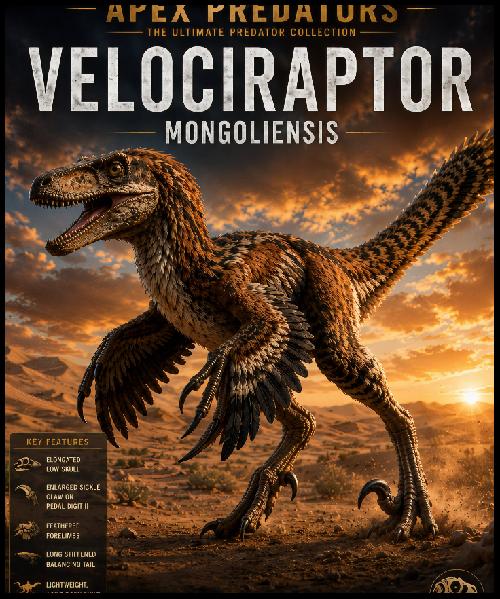
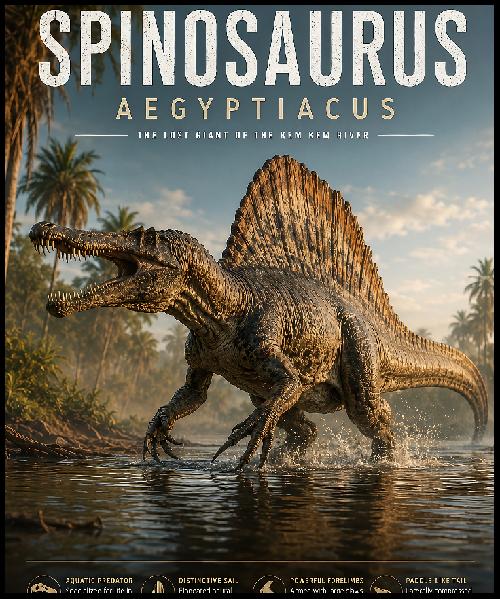
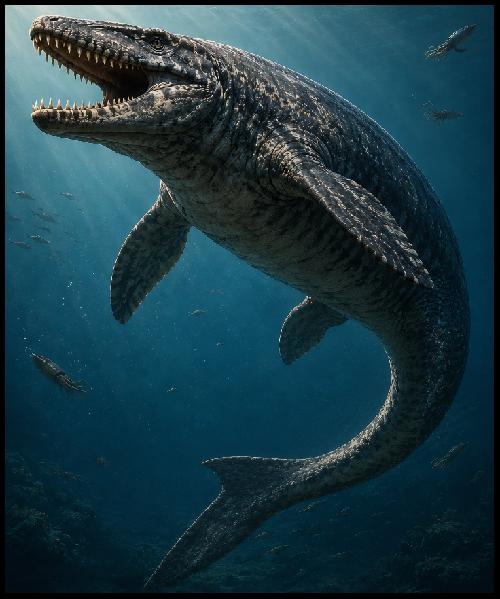
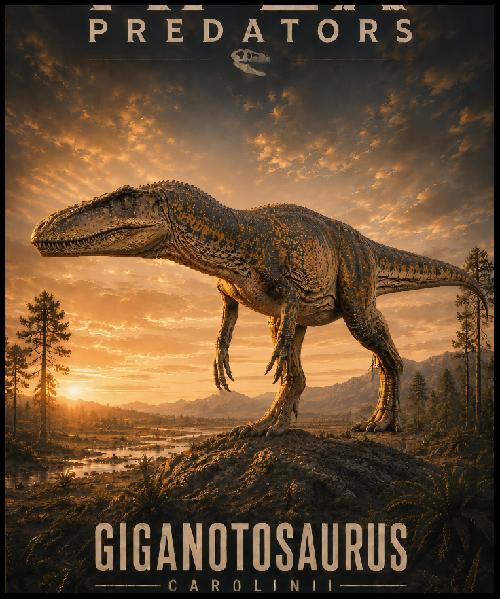
Featured Museum Collections
Museum-quality paleoart and educational poster
collections based on evidence-informed prehistoric
Life reconstructions.