
Quick Answer
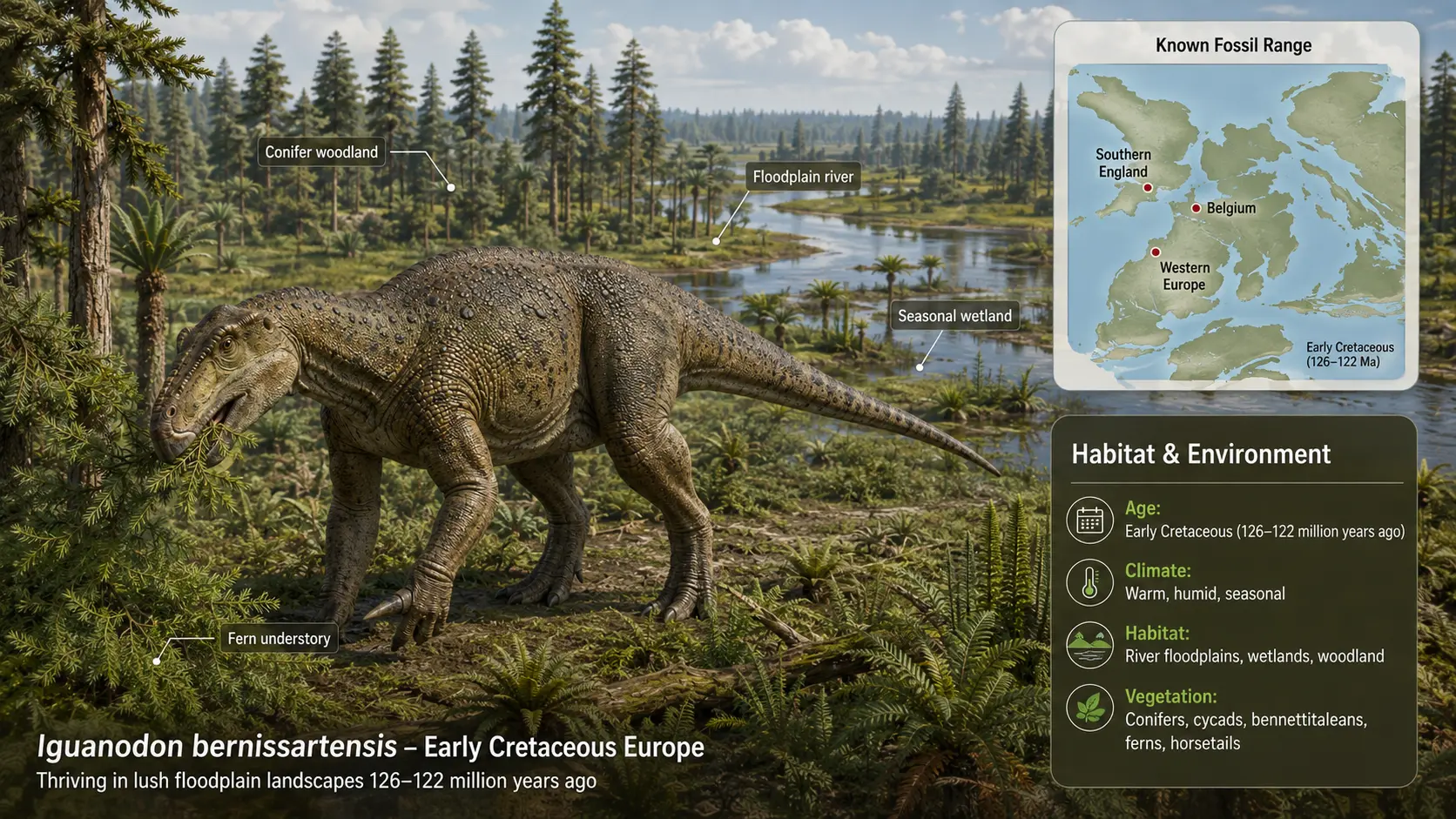
Iguanodon bernissartensis inhabited a variety of terrestrial environments across western Europe during the Early Cretaceous, particularly floodplains, river valleys, forested lowlands, wetlands, and coastal plains. Fossil evidence indicates that it thrived in warm, humid climates with abundant vegetation and reliable freshwater sources. Its adaptable anatomy and feeding strategy allowed it to exploit multiple habitat types rather than being restricted to a single environment.

Habitat Summary
| Characteristic | Information |
|---|---|
| Primary Habitat | Floodplains and forested river valleys |
| Secondary Habitats | Wetlands, open woodlands, coastal plains |
| Geographic Range | Western Europe |
| Geological Age | Early Cretaceous (primarily Barremian–early Aptian) |
| Climate | Warm, humid, seasonal |
| Dominant Vegetation | Conifers, ferns, horsetails, cycads, bennettitaleans |
| Water Availability | Rivers, lakes, wetlands, floodplains |
| Habitat Certainty | High |
Introduction
The habitat of Iguanodon is reconstructed through the integration of fossil discoveries, geological evidence, sedimentology, palaeobotany, and palaeoclimate studies. Unlike many extinct dinosaurs known from isolated remains, Iguanodon is represented by numerous well-preserved specimens from several European fossil localities, allowing scientists to reconstruct the environments in which it lived with considerable confidence.
Although local conditions varied across its range, fossil evidence consistently places Iguanodon within warm terrestrial ecosystems that supported extensive vegetation and abundant freshwater resources. These environments provided both the plant food required by a large herbivore and the ecological diversity necessary to sustain rich dinosaur communities.
Where Did Iguanodon Live?
Geographic Distribution Summary
| Category | Information |
|---|---|
| Primary Regions | Western Europe |
| Major Geological Formations | Wealden Group (England), Bernissart deposits (Belgium), Camarillas Formation (Spain) and equivalent Early Cretaceous units |
| Modern Countries | Belgium, England, Spain, Germany, and possibly neighbouring parts of western Europe |
| Palaeolatitude | Approximately 30–40° north during the Early Cretaceous |
| Distribution Certainty | High |
Fossil Localities Summary
| Locality | Formation | Age | Significance |
|---|---|---|---|
| Bernissart, Belgium | Sainte-Barbe Clays | Early Aptian | Largest and most complete Iguanodon assemblage known |
| Isle of Wight, England | Wessex Formation (Wealden Group) | Barremian | Numerous well-preserved skeletal remains |
| East Sussex, England | Wealden Group | Valanginian–Barremian | Region where Iguanodon was first discovered |
| Teruel Province, Spain | Camarillas Formation | Barremian | Important evidence for Iberian distribution |
| Northwestern Germany | Various Lower Cretaceous deposits | Early Cretaceous | Indicates wider European range |
Scientific Explanation
The known distribution of Iguanodon indicates that it occupied a broad range across western Europe during the Early Cretaceous. Fossils have been recovered from numerous sedimentary basins representing river systems, floodplains, and forested lowlands, demonstrating that the genus was widespread rather than restricted to a single locality.
The most famous site is Bernissart in Belgium, where more than thirty largely articulated skeletons were discovered within a deep subsurface deposit. This remarkable assemblage provides unparalleled insight into the anatomy, ecology, and habitat of Iguanodon.
In England, fossils occur throughout the Wealden Group, a sequence of terrestrial sediments deposited by rivers, floodplains, and shallow lakes. Similar-aged deposits in Spain and Germany indicate that Iguanodon occupied comparable environments across much of western Europe.
During the Early Cretaceous, Europe consisted of an archipelago of islands with changing island configurations through time separated by shallow seas. Despite this fragmented geography, terrestrial connections or temporary land bridges likely enabled populations of Iguanodon to disperse between suitable habitats.
Evidence Strength
High
Evidence Assessment
The geographic distribution of Iguanodon is supported by abundant fossil discoveries from multiple well-dated geological formations. Sedimentological and stratigraphic studies provide strong evidence for the environments in which these animals lived. While the full geographic range may expand with future discoveries, the current reconstruction of its western European distribution is well supported.
Early Cretaceous Environment
Environmental Overview Summary
| Feature | Description |
|---|---|
| Climate | Warm, humid greenhouse climate |
| Average Temperature | Mild to warm year-round with little evidence of freezing conditions |
| Rainfall | Moderate to high, supporting extensive vegetation |
| Seasonality | Seasonal wet and dry periods rather than extreme temperature changes |
| Atmospheric Conditions | Elevated atmospheric carbon dioxide compared with the present day |
Habitat Types Summary
| Habitat | Characteristics | Evidence |
|---|---|---|
| Floodplains | Broad vegetated plains periodically inundated by rivers | Sedimentary structures and associated fossils |
| River Systems | Meandering channels supplying freshwater | Channel deposits and fluvial sediments |
| Forests | Conifer-dominated woodland with dense understory | Fossil wood, pollen, and plant remains |
| Wetlands | Marshes and swamps rich in ferns and horsetails | Organic sediments and wetland flora |
| Coastal Environments | Low-lying plains influenced by nearby seas | Mixed terrestrial and marginal marine deposits |
Scientific Explanation
The Early Cretaceous landscapes inhabited by Iguanodon differed substantially from modern Europe. Instead of temperate forests and grasslands, the region was dominated by warm greenhouse conditions that supported extensive conifer forests, fern-covered floodplains, and broad river systems.
Floodplains formed some of the most productive habitats. Seasonal flooding replenished nutrients, encouraged dense vegetation, and created ideal conditions for large herbivores. Rivers, lakes, and wetlands provided reliable freshwater while supporting diverse plant communities that formed the basis of the terrestrial ecosystem.
Conifer forests covered much of the landscape, accompanied by cycads, bennettitaleans, horsetails, and abundant ferns. Flowering plants were beginning to diversify but remained relatively uncommon throughout much of Iguanodon‘s range.
Sedimentary evidence indicates that environmental conditions varied locally, with some populations inhabiting inland river valleys while others occupied coastal lowlands influenced by changing sea levels. This environmental diversity suggests that Iguanodon was capable of exploiting a range of closely related terrestrial habitats.
Evidence Strength
High
Evidence Assessment
Reconstructions of the Early Cretaceous environment are supported by extensive sedimentological, palaeobotanical, and geochemical evidence from formations that preserve Iguanodon. Climate, vegetation, and habitat types are well constrained, although precise local conditions undoubtedly varied across western Europe.
Habitat Preferences
Preferred Habitats Summary
| Habitat | Suitability | Supporting Evidence |
|---|---|---|
| Floodplains | Very High | Most fossil localities occur in fluvial sediments |
| River Valleys | Very High | Abundant freshwater and vegetation |
| Forested Lowlands | High | Rich plant communities and shelter |
| Wetlands | High | Extensive fern and horsetail growth |
| Coastal Plains | Moderate to High | Fossils recovered from coastal sedimentary environments |
| Arid Environments | Low | Little supporting geological evidence |
Resource Availability Summary
| Resource | Importance |
|---|---|
| Food | Extensive vegetation supported large herbivorous populations |
| Water | Essential for drinking and sustaining productive ecosystems |
| Shelter | Forests and dense vegetation offered protection and environmental buffering |
| Nesting Areas | Elevated floodplain surfaces and well-drained soils likely provided suitable nesting locations |
Scientific Explanation
The distribution of Iguanodon fossils indicates a clear preference for productive lowland environments where freshwater and vegetation were consistently available. River floodplains were particularly favourable because they combined abundant browse with permanent water sources and fertile soils capable of supporting dense plant growth.
Forested lowlands and wetlands offered additional feeding opportunities through diverse plant communities, while coastal plains may have served as extensions of these productive ecosystems during periods of stable sea level.
Although Iguanodon appears to have been ecologically flexible, there is little evidence that it occupied dry or sparsely vegetated environments. Its large body size and herbivorous lifestyle would have required substantial daily food intake, making productive habitats the most suitable environments.
The likely availability of elevated, well-drained areas adjacent to floodplains also suggests that these landscapes could have provided favourable nesting sites, although direct nesting evidence attributable to Iguanodon has not been discovered.
Evidence Strength
High
Evidence Assessment
Habitat preferences are inferred from the geological settings in which Iguanodon fossils occur and from associated palaeoenvironmental evidence. The strong association with fluvial and floodplain deposits supports these interpretations with high confidence. More specific aspects, such as preferred nesting locations, remain plausible hypotheses because direct reproductive evidence is currently lacking.
Climate and Weather
Climate Characteristics Summary
| Climate Feature | Description |
|---|---|
| Climate Type | Warm greenhouse climate |
| Average Temperature | Mild to warm throughout the year |
| Annual Rainfall | Moderate to high, supporting lush vegetation |
| Humidity | Generally high, particularly in lowland areas |
| Seasonality | Alternating wet and dry seasons with limited temperature extremes |
| Atmospheric Carbon Dioxide | Higher than present-day levels |
| Snow and Frost | No evidence for prolonged freezing conditions in western Europe |
Seasonal Variation Summary
| Season | Environmental Changes | Ecological Impact |
|---|---|---|
| Wet Season | Increased rainfall, flooding of river systems, rapid plant growth | Expanded food availability and highly productive floodplains |
| Dry Season | Lower water levels and reduced rainfall | Concentration of animals around permanent water sources and shifts in available vegetation |
Scientific Explanation
The climate experienced by Iguanodon differed markedly from that of modern Europe. During the Early Cretaceous, the Earth existed in a greenhouse state characterized by warmer global temperatures and elevated atmospheric carbon dioxide. Polar ice sheets were absent or greatly reduced, contributing to relatively stable climates across much of the planet.
Western Europe experienced warm, humid conditions that promoted extensive forests, wetlands, and floodplains. Rather than the pronounced winter-summer temperature contrasts typical of many temperate regions today, environmental changes were driven primarily by fluctuations in rainfall. Seasonal wet periods replenished rivers, lakes, and floodplains, stimulating rapid plant growth, while drier intervals reduced water availability without producing severe cold.
These climatic conditions created highly productive ecosystems capable of supporting large herbivores such as Iguanodon. Consistent vegetation growth and dependable freshwater resources would have reduced the ecological pressures associated with prolonged droughts or freezing winters, although local weather patterns undoubtedly varied between regions.
Evidence Strength
High
Evidence Assessment
Early Cretaceous climate is reconstructed using multiple independent lines of evidence, including sedimentology, fossil plants, stable isotope studies, and palaeoclimate modelling. While exact annual temperatures and rainfall cannot be measured directly, there is broad scientific agreement that western Europe experienced a warm, humid greenhouse climate with seasonal variation driven mainly by precipitation rather than temperature.
Plants and Ecosystem
Ecosystem Components Summary
| Component | Examples |
|---|---|
| Dominant Plants | Conifers, ferns, horsetails, cycads, bennettitaleans, early angiosperms |
| Small Herbivores | Hypsilophodont-grade ornithopods, small reptiles, herbivorous mammals |
| Large Herbivores | Iguanodon, Mantellisaurus, sauropods where present |
| Predators | Baryonyx, Neovenator, other theropods |
| Scavengers | Small theropods, crocodilians, invertebrate decomposers |
Vegetation Zones Summary
| Habitat Zone | Dominant Flora |
|---|---|
| River Floodplains | Ferns, horsetails, conifers |
| Forested Lowlands | Conifers, cycads, bennettitaleans |
| Wetlands | Horsetails, aquatic plants, ferns |
| Open Woodland | Mixed conifers and cycads |
| Coastal Plains | Mixed conifer forests with fern-rich understories |
Scientific Explanation
The ecosystems inhabited by Iguanodon were among the most biologically productive terrestrial environments of the Early Cretaceous. Extensive river systems deposited nutrient-rich sediments across floodplains, supporting dense vegetation that formed the foundation of complex food webs.
Conifers dominated the forest canopy, while cycads, bennettitaleans, ferns, and horsetails occupied the understory and wetter habitats. These diverse plant communities provided abundant browse for large herbivorous dinosaurs throughout much of the year.
The ecosystem also supported a wide variety of animals. Smaller herbivorous dinosaurs occupied niches requiring less vegetation, while large herbivores such as Iguanodon exploited abundant shrubs and low trees. Predatory theropods hunted within these environments, and crocodilians inhabited rivers and wetlands where they acted as both predators and scavengers.
Rather than existing in isolation, Iguanodon formed part of a dynamic ecosystem in which climate, vegetation, waterways, and animal communities interacted to shape habitat structure and resource availability.
Evidence Strength
High
Evidence Assessment
Reconstructions of Early Cretaceous ecosystems are supported by exceptionally rich fossil assemblages containing plants, vertebrates, invertebrates, and sedimentological evidence preserved within the same geological formations. While the precise abundance of individual species varied regionally, the overall ecosystem structure is well established through multiple independent sources of evidence.
Coexisting Animals
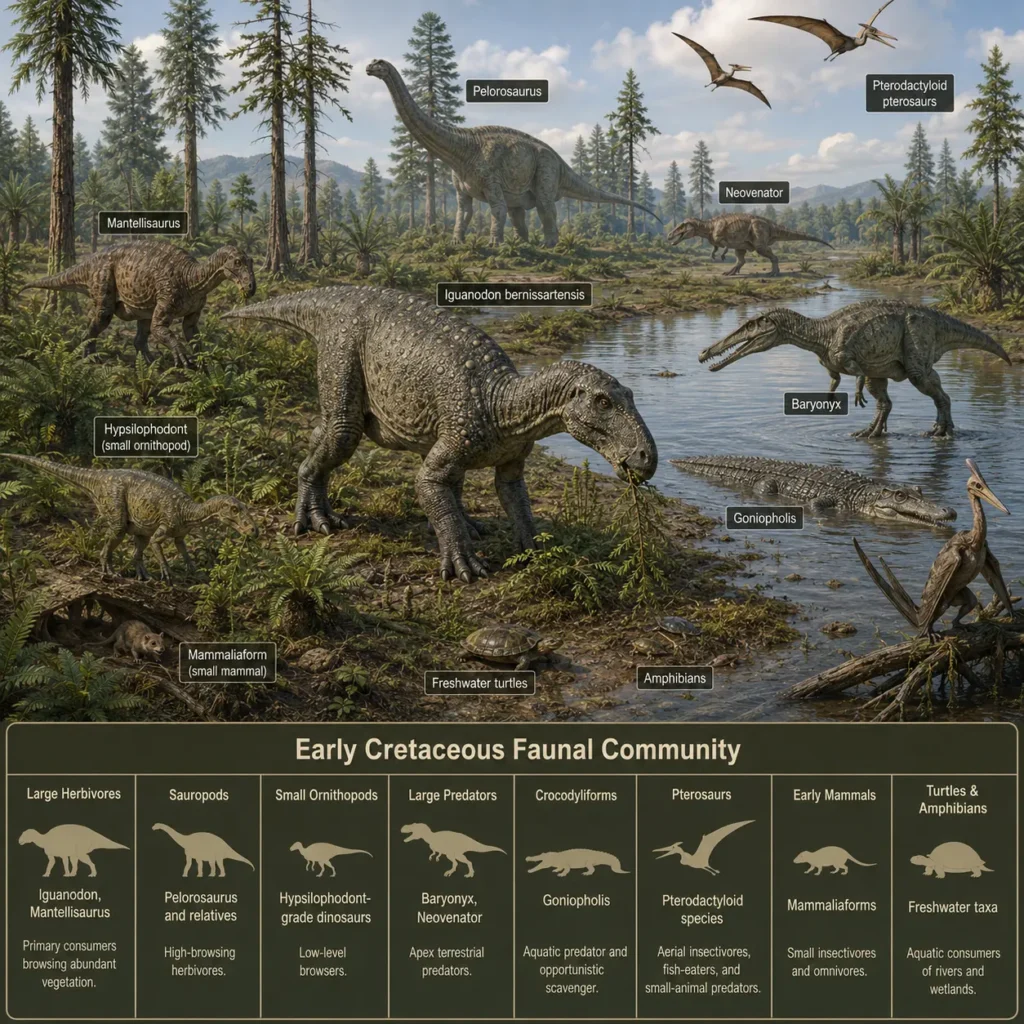
Faunal Community Summary
| Animal Group | Representative Taxa | Ecological Role |
|---|---|---|
| Large Herbivores | Iguanodon, Mantellisaurus | Primary consumers browsing abundant vegetation |
| Sauropods | Pelorosaurus and related taxa | High-browsing herbivores where present |
| Small Ornithopods | Hypsilophodont-grade dinosaurs | Low-level browsers and selective feeders |
| Large Predators | Baryonyx, Neovenator | Apex terrestrial predators |
| Crocodyliforms | Goniopholis | Aquatic predator and opportunistic scavenger |
| Pterosaurs | Various pterodactyloid species | Aerial insectivores, fish-eaters, and small-animal predators |
| Early Mammals | Small mammaliaforms | Insectivores and omnivores |
| Turtles and Amphibians | Various freshwater taxa | Aquatic consumers within rivers and wetlands |
Food Web Summary
| Trophic Level | Organisms |
|---|---|
| Primary Producers | Conifers, ferns, horsetails, cycads, bennettitaleans, early flowering plants |
| Primary Consumers | Iguanodon, Mantellisaurus, sauropods, small ornithopods |
| Secondary Consumers | Small theropods, crocodilians, predatory reptiles |
| Apex Predators | Baryonyx, Neovenator and other large theropods |
| Scavengers and Decomposers | Crocodilians, small theropods, insects, fungi, microorganisms |
Scientific Explanation
Iguanodon shared its environment with a diverse assemblage of vertebrates that occupied complementary ecological niches. As one of the largest browsing herbivores, it formed an important component of terrestrial food webs, converting plant biomass into a resource available to large predators and scavengers.
Smaller ornithopods likely focused on lower vegetation or more selective feeding strategies, reducing direct competition with larger herbivores. In some regions, sauropods occupied the upper browsing niche by feeding on taller vegetation beyond the reach of Iguanodon.
Large theropods such as Baryonyx and Neovenator occupied the highest trophic levels. Although Baryonyx is best known for its adaptations to feeding on fish, anatomical evidence indicates that it was an opportunistic predator capable of exploiting a variety of food sources, including terrestrial prey.
Freshwater ecosystems supported crocodilians, turtles, amphibians, and numerous fish species, adding further complexity to Early Cretaceous ecosystems. Together, these organisms formed interconnected food webs sustained by the highly productive vegetation of western Europe’s warm, humid landscapes.
Evidence Strength
High
Evidence Assessment
The coexisting fauna of Iguanodon is reconstructed from well-documented fossil assemblages preserved within the same geological formations. Associations between taxa are strongly supported by stratigraphic and sedimentological evidence. However, specific ecological interactions—such as predator-prey relationships or the degree of dietary competition—remain partly inferential because behaviour is rarely preserved in the fossil record. Overall, the composition of the faunal community is well supported, while details of species interactions are reconstructed from comparative ecological evidence.
Comparison with Modern Habitats
Modern Habitat Comparison Summary
| Modern Habitat | Comparable Features | Major Differences |
|---|---|---|
| Temperate River Floodplains | Large rivers, fertile soils, abundant vegetation | Modern flowering plants dominate instead of conifers and ferns |
| Subtropical Wetlands | High humidity, extensive wetlands, dense plant growth | Modern ecosystems contain grasses and flowering plants absent or rare in the Early Cretaceous |
| Mixed Woodlands | Forest cover and diverse browsing opportunities | Modern trees are predominantly angiosperms rather than gymnosperms |
| Coastal Plains | Flat lowlands with river systems and seasonal flooding | Modern coastlines support very different plant and animal communities |
Functional Comparison Summary
| Modern Habitat | Similarity | Major Difference |
|---|---|---|
| Temperate River Floodplain | Fertile soils support abundant herbivores | Dominated by flowering plants and grasses rather than gymnosperms |
| Subtropical Wetland | High productivity and permanent freshwater | Modern fauna evolved after the extinction of non-avian dinosaurs |
| Mixed Woodland | Multiple browsing niches for large herbivores | Modern mammals occupy ecological roles once filled by dinosaurs |
| Coastal Plain | Dynamic environments influenced by rivers and sea level | Early Cretaceous vegetation lacked extensive grasslands |
Scientific Explanation
No modern environment perfectly replicates the habitats occupied by Iguanodon, but several ecosystems provide useful ecological analogues. Productive river floodplains and subtropical wetlands best illustrate the combination of abundant freshwater, fertile soils, and dense vegetation that characterised much of western Europe during the Early Cretaceous.
Modern floodplains support high biodiversity because seasonal flooding continually replenishes nutrients and promotes rapid plant growth. Similar processes likely operated in Iguanodon habitats, where extensive vegetation could sustain large populations of herbivorous dinosaurs.
Mixed woodlands also offer useful comparisons because they provide varied browsing opportunities across different vegetation layers. However, the dominant plants differed substantially. Early Cretaceous forests were composed primarily of conifers, cycads, bennettitaleans, and ferns, whereas modern forests are dominated by flowering plants.
Although ecological processes such as nutrient cycling, seasonal flooding, and herbivore-plant interactions remain broadly comparable, the biological communities themselves were fundamentally different. Consequently, modern habitats serve as functional analogues rather than direct ecological equivalents.
Scientific Debate
Scientific Debate Summary
| Question | Current Consensus | Confidence |
|---|---|---|
| Preferred habitat | Productive floodplains and forested lowlands | High |
| Forest vs. open environments | Occupied a variety of habitats with a preference for vegetated lowlands | Moderate to High |
| Coastal distribution | Present in some coastal environments but primarily terrestrial | Moderate |
| Seasonal migration | Possible but unproven | Low |
| Population density | Locally abundant in suitable habitats | Moderate |
| Environmental tolerance | Ecologically adaptable within humid terrestrial environments | Moderate to High |
Competing Hypotheses Summary
| Topic | Hypothesis | Supporting Evidence |
|---|---|---|
| Preferred Habitat | Floodplain specialist | Most fossil localities occur in fluvial sediments |
| Preferred Habitat | Habitat generalist | Fossils recovered from several terrestrial environments |
| Forest vs. Open Environments | Primarily forest-dwelling | Forest-associated plant fossils and woodland deposits |
| Forest vs. Open Environments | Utilised open floodplains extensively | Sedimentology and widespread floodplain deposits |
| Coastal Distribution | Regularly occupied coastal plains | Fossils from coastal sedimentary formations |
| Seasonal Migration | Seasonal movement between habitats | Modern large herbivore analogues and changing resource availability |
| Seasonal Migration | Resident populations | Lack of direct evidence for long-distance migration |
| Population Density | Herds concentrated around productive habitats | Bernissart bone assemblage and abundant fossil occurrences |
| Environmental Tolerance | Broad ecological tolerance | Wide geographic distribution across western Europe |
Scientific Explanation
Although the broad characteristics of Iguanodon‘s habitat are well established, several aspects of its ecology remain subjects of scientific discussion.
One question concerns the degree of habitat specialization. Many fossil discoveries occur within river floodplains, suggesting that these environments formed its preferred habitat. However, the occurrence of fossils in several different depositional settings indicates that Iguanodon was probably capable of exploiting a variety of terrestrial environments rather than depending exclusively on floodplains.
Another area of uncertainty involves the balance between forested and more open habitats. Some researchers emphasize the importance of woodland environments because they provided abundant browse, whereas others argue that open floodplains offered equally productive feeding opportunities. Current evidence suggests that Iguanodon likely moved freely between neighbouring habitat types as resources changed.
Seasonal migration has also been proposed because many large modern herbivores track changing food and water availability. However, there is currently no direct fossil evidence demonstrating long-distance seasonal movements in Iguanodon. Likewise, estimates of population density rely primarily on fossil assemblages such as Bernissart, which may not accurately represent living populations because exceptional preservation can bias the fossil record.
Overall, most debates concern the details of habitat use rather than the general conclusion that Iguanodon inhabited productive, humid terrestrial ecosystems.
Evidence Strength
High
Evidence Assessment
The overall habitat of Iguanodon is supported by extensive geological, sedimentological, and palaeontological evidence. Greater uncertainty exists when reconstructing behavioural aspects such as migration, habitat preference, and population density because these rely on indirect evidence and comparison with living animals. Consequently, the physical environment is well established, whereas patterns of habitat use remain more tentative.
Current Scientific Understanding
Current Consensus Summary
| Topic | Current Scientific Understanding |
|---|---|
| Geographic Distribution | Widespread across western Europe during the Early Cretaceous |
| Primary Habitat | Floodplains, river valleys, forested lowlands, and wetlands |
| Climate | Warm, humid greenhouse conditions |
| Vegetation | Dominated by conifers, ferns, horsetails, cycads, and bennettitaleans |
| Habitat Preference | Productive freshwater environments with abundant vegetation |
| Ecological Flexibility | Capable of occupying several closely related terrestrial habitats |
| Habitat Certainty | High |
Current evidence indicates that Iguanodon was a highly adaptable large herbivore occupying productive terrestrial ecosystems throughout western Europe during the Early Cretaceous. Geological formations preserving its fossils consistently represent river systems, floodplains, forests, wetlands, and coastal lowlands, all of which provided abundant vegetation and reliable freshwater.
Although questions remain regarding habitat preference, migration, and local population structure, there is broad scientific agreement that Iguanodon flourished in warm greenhouse environments characterised by diverse plant communities and complex terrestrial ecosystems.
Frequently Asked Questions
Where did Iguanodon live?
Iguanodon lived across western Europe during the Early Cretaceous, including what are now Belgium, England, Spain, Germany, and nearby regions.
What type of habitat did it prefer?
Evidence suggests it preferred fertile floodplains, river valleys, forested lowlands, wetlands, and other productive terrestrial environments.
Was Iguanodon a forest dinosaur?
Partly. It inhabited forested areas but also occupied floodplains, wetlands, and open lowland habitats rather than living exclusively within forests.
Did Iguanodon live near water?
Yes. Most fossil sites indicate close associations with rivers, lakes, wetlands, or floodplain environments where freshwater and vegetation were abundant.
What was the climate like?
The climate was warm and humid with seasonal rainfall, reflecting the greenhouse conditions that prevailed during the Early Cretaceous.
Did Iguanodon live alongside other dinosaurs?
Yes. It shared its environment with numerous herbivorous dinosaurs, large theropod predators, crocodilians, pterosaurs, turtles, amphibians, and early mammals.
Did it migrate seasonally?
There is currently no direct fossil evidence demonstrating seasonal migration, although limited local movements in response to changing resources remain possible.
Was Europe the same as today?
No. During the Early Cretaceous, Europe consisted of an archipelago of islands separated by shallow seas, creating a landscape very different from the modern continent.
Why are so many Iguanodon fossils found in floodplain deposits?
Floodplains provided favourable living conditions and also excellent environments for preserving fossils after burial by river sediments.
Did Iguanodon tolerate different habitats?
Yes. Fossil evidence indicates that it occupied several closely related terrestrial environments, demonstrating considerable ecological flexibility.
References
Primary Literature
- Mantell, G. A. (1825). Notice on the Iguanodon, a newly discovered fossil reptile from the sandstone of Tilgate Forest, Sussex. Philosophical Transactions of the Royal Society of London, 115, 179–186.
- Dollo, L. (1882–1885). Première note sur les dinosauriens de Bernissart. Bulletin du Musée royal d’Histoire naturelle de Belgique.
- Norman, D. B. (1980). On the ornithischian dinosaur Iguanodon bernissartensis from the Lower Cretaceous of Bernissart (Belgium). Institut royal des Sciences Naturelles de Belgique, Mémoire 178.
- Norman, D. B. (1986). On the anatomy of Iguanodon atherfieldensis (Ornithischia: Ornithopoda). Bulletin de l’Institut Royal des Sciences Naturelles de Belgique, Sciences de la Terre, 56, 281–372.
Iguanodon Systematics and Evolution
- Norman, D. B. (2004). Basal Iguanodontia. In D. B. Weishampel, P. Dodson, & H. Osmólska (Eds.), The Dinosauria (2nd ed., pp. 413–437). University of California Press.
- McDonald, A. T. (2012). Phylogeny and systematics of Styracosterna (Dinosauria: Ornithopoda). PLoS ONE, 7, e50673.
- Verdú, F. J., Royo-Torres, R., & Cobos, A. Selected studies on basal styracosternan evolution and European ornithopod diversity.
- Boyd, C. A. (2015). Reviews of ornithopod phylogeny and evolutionary history.
Early Cretaceous Palaeoenvironments
- Barrett, P. M., Butler, R. J., & colleagues. Selected studies on Early Cretaceous terrestrial ecosystems and ornithopod palaeoecology.
- Cleal, C. J., & Rees, P. M. Selected publications on Early Cretaceous vegetation and terrestrial environments.
- Scott, A. C. Selected studies on Mesozoic terrestrial ecosystems and fossil floras.
- Upchurch, P., Mannion, P. D., & colleagues. Selected studies on Early Cretaceous palaeobiogeography and European dinosaur faunas.
Palaeobotany and Climate
- Friis, E. M., Crane, P. R., & Pedersen, K. R. (2011). Early Flowers and Angiosperm Evolution. Cambridge University Press.
- Cleal, C. J., & Thomas, B. A. Selected works on fossil plants and Mesozoic vegetation.
- Hay, W. W. Selected publications on Cretaceous palaeoclimate and greenhouse environments.
- Scotese, C. R. Selected palaeogeographic reconstructions of the Early Cretaceous world.
Sedimentology and Depositional Environments
- Allen, P. Selected studies on the Wealden Group and Early Cretaceous sedimentology of southern England.
- Batten, D. J. Selected publications on the Wealden Supergroup and associated depositional environments.
- Wright, J. K., & colleagues. Studies on Early Cretaceous fluvial systems and floodplain environments.
Comparative Ecology
- Owen-Smith, N. (1988). Megaherbivores: The Influence of Very Large Body Size on Ecology. Cambridge University Press.
- Janis, C. M. Selected studies on herbivore ecology and habitat use.
- Clauss, M., Hummel, J., & colleagues. Reviews of large-herbivore ecology and digestive adaptations.
Standard Reference Works
- Weishampel, D. B., Dodson, P., & Osmólska, H. (Eds.). (2004). The Dinosauria (2nd ed.). University of California Press.
- Paul, G. S. (2016). The Princeton Field Guide to Dinosaurs (2nd ed.). Princeton University Press.
- Brusatte, S. L. (2018). The Rise and Fall of the Dinosaurs. William Morrow.
- Holtz, T. R. Jr. (latest edition). Dinosaurs: The Most Complete, Up-to-Date Encyclopedia for Dinosaur Lovers of All Ages.
Recommended Paleontology & Natural History Books
As an Amazon Associate, Extinct Atlas may earn from qualifying purchases.
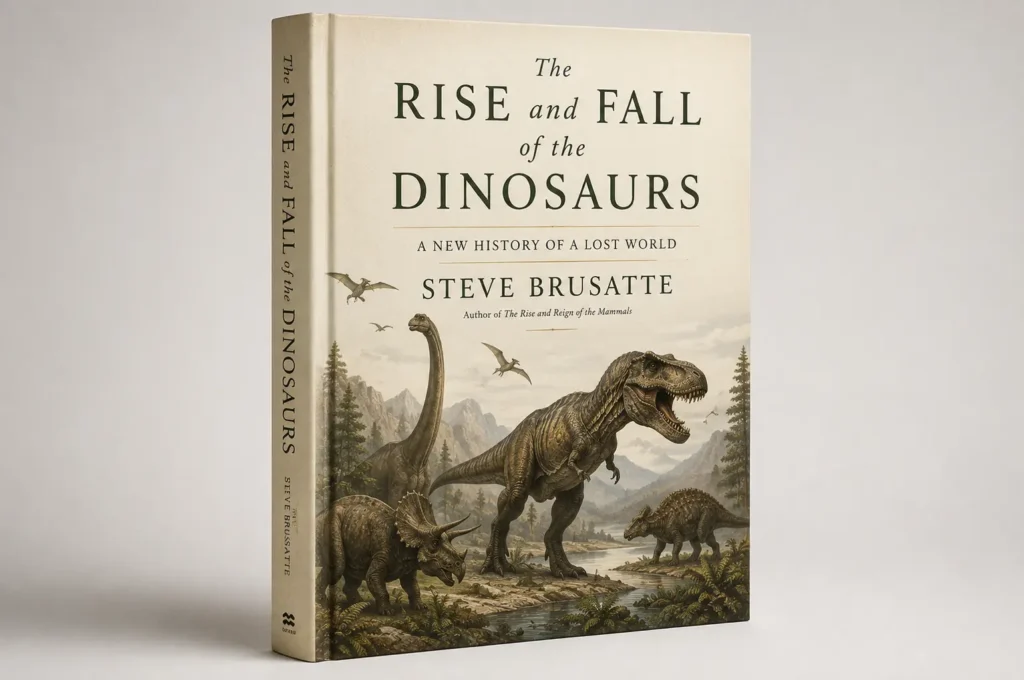
The Rise and Fall of the Dinosaurs
A compelling history of dinosaurs, tracing their origins, diversification, 200-million-year reign, extinction, and enduring legacy.
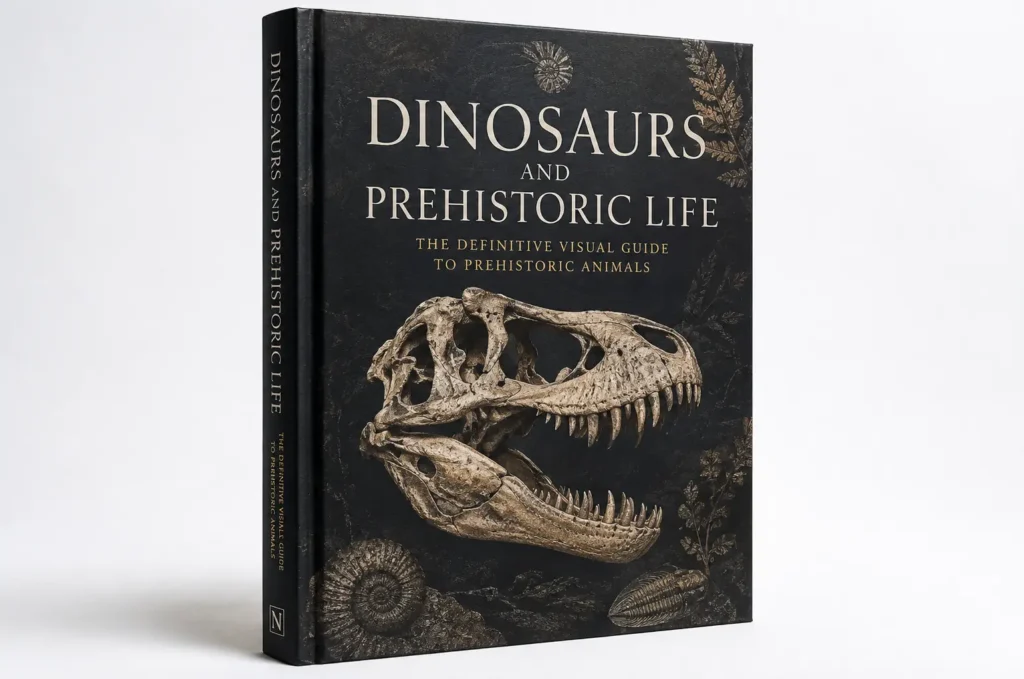
Dinosaurs and Prehistoric Life
A richly illustrated visual reference exploring dinosaurs, fossils, evolution, and prehistoric life across geological time.
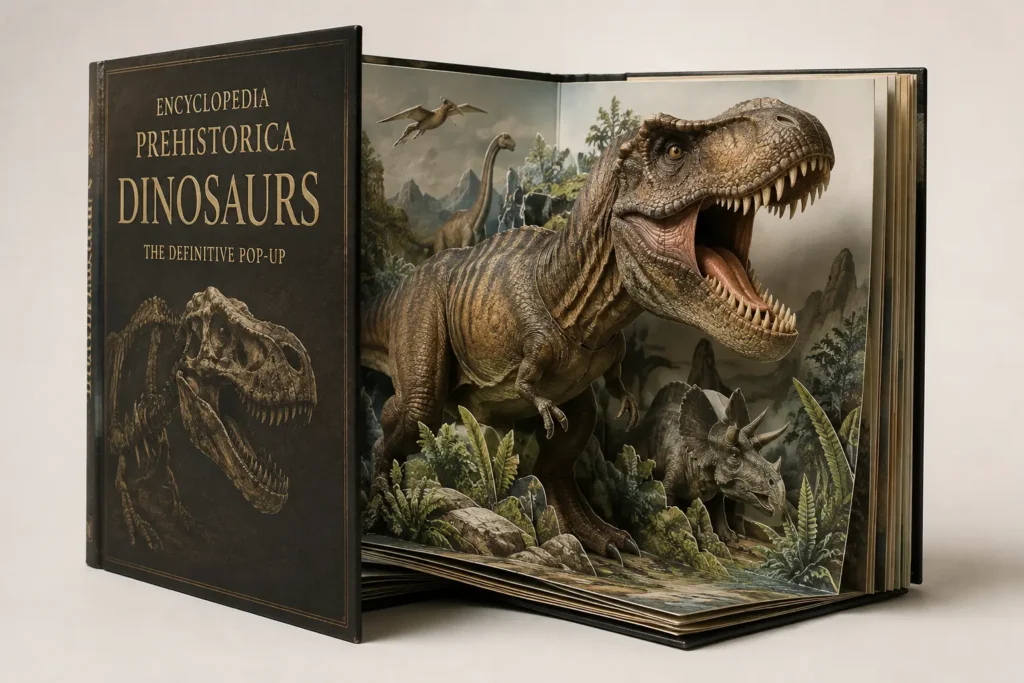
Encyclopedia Prehistorica: Dinosaurs
An interactive dinosaur book featuring spectacular three-dimensional pop-ups, particularly suited to young readers and families.
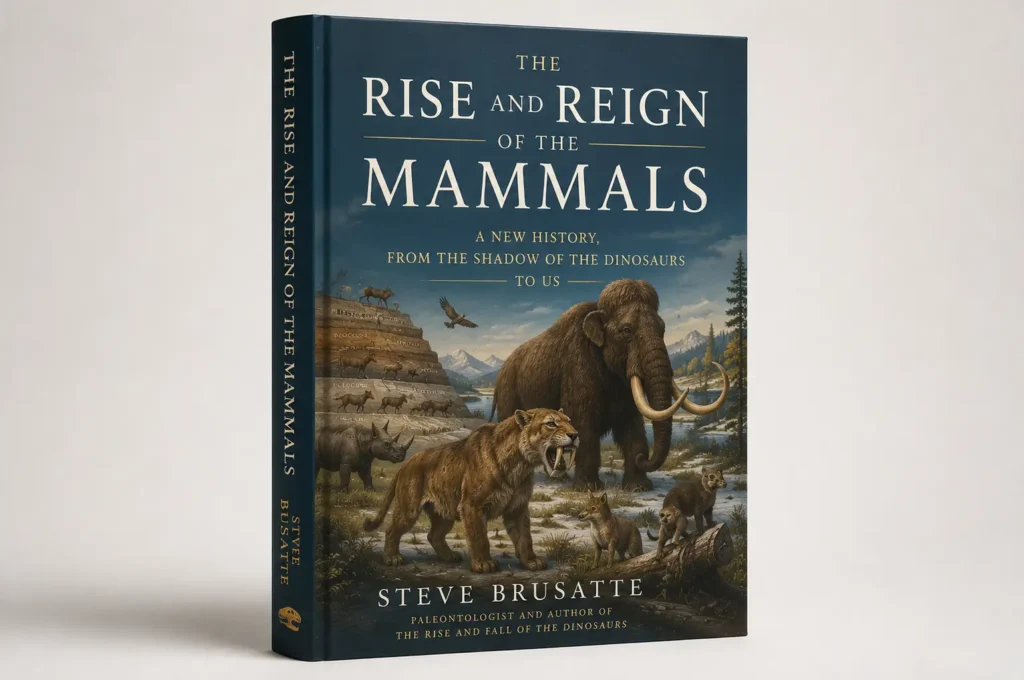
The Rise and Reign of the Mammals
A sweeping history of mammalian evolution, from their origins alongside dinosaurs through the Cenozoic and the emergence of humans.