
At a Glance
| Field | Information |
|---|---|
| Species | Velociraptor mongoliensis |
| Diet Type | Carnivore (opportunistic) |
| Primary Prey | Small vertebrates, 1–10 kg |
| Known Prey | Protoceratops, pterosaurs, small mammals |
| Feeding Strategy | Active hunting + scavenging |
| Teeth Count | 26–28 serrated teeth |
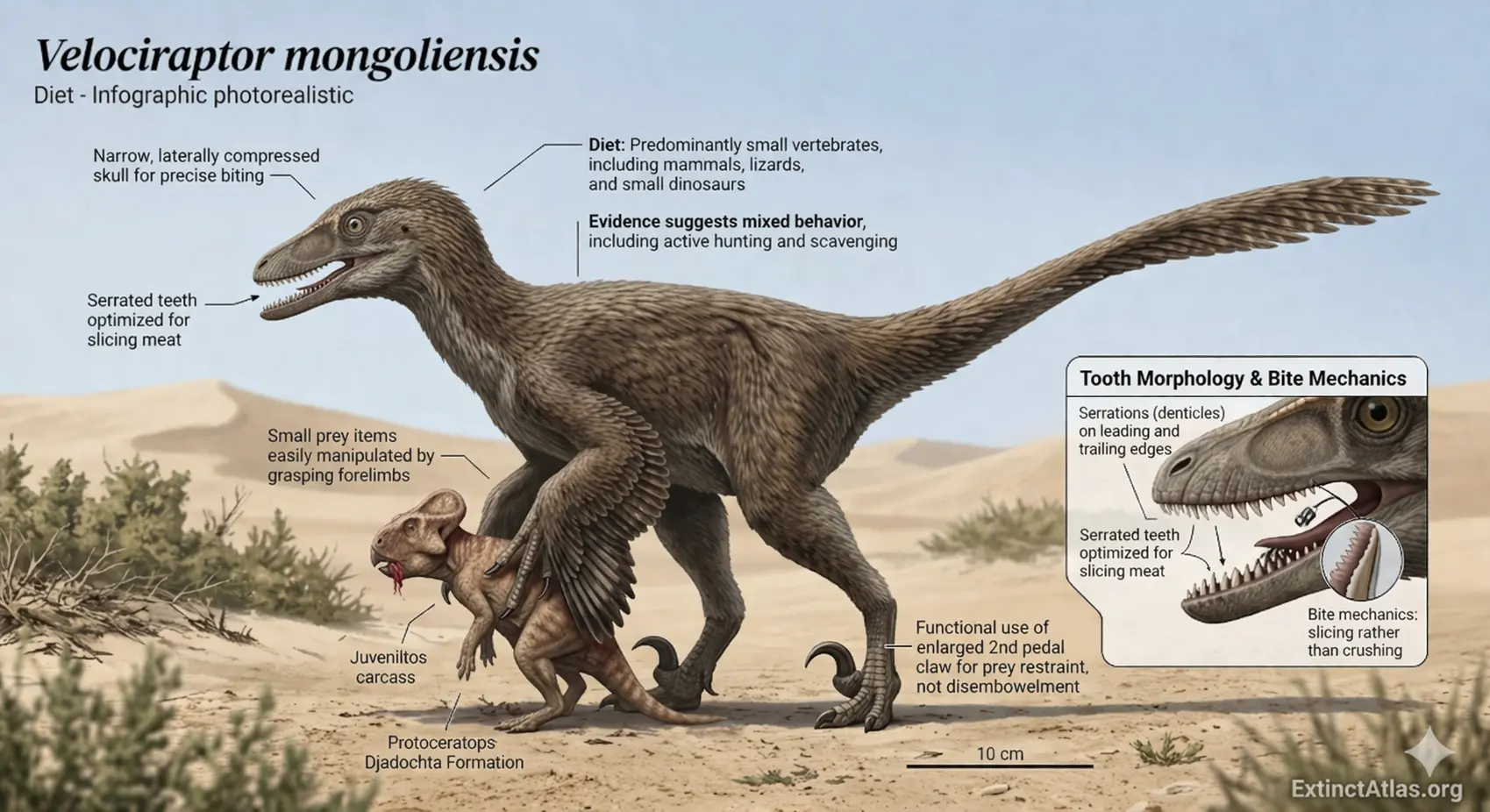
Quick Answer: Velociraptor was a carnivore that primarily hunted small mammals, lizards, and juvenile dinosaurs while also scavenging carrion when available. Fossil evidence shows it consumed prey ranging from pterosaurs to Protoceratops, using its teeth and specialised foot claws to restrain and kill animals typically close to its own 15-kilogram body weight.
A pterosaur bone rests inside the ribcage, preserved for 75 million years. The tooth marks on a Protoceratops jaw tell a different story. Velociraptor didn’t follow a single script—it hunted what it could catch, scavenged what others left behind, and adapted its menu to whatever the arid ecosystems of Late Cretaceous Central Asia provided.
What Did Velociraptor Hunt and Eat?
Velociraptor was an obligate carnivore that relied entirely on animal protein for sustenance. Its curved, serrated teeth and enlarged sickle claws evolved specifically for capturing and processing meat, with no anatomical adaptations for plant consumption.
Primary prey likely included small mammals that shared Velociraptor’s Late Cretaceous ecosystem. These early mammals—most smaller than modern house cats—would have been abundant and provided easily captured meals for a 15-kilogram predator. Lizards and small reptiles represented another staple food source in the arid environments where Velociraptor lived.
Juvenile dinosaurs of various species probably featured prominently in the diet. Young Protoceratops, oviraptorosaurs, and other herbivorous dinosaurs would have been vulnerable during their first months of life, before growing large enough to defend themselves effectively. Velociraptor’s speed and agility made it well-suited for targeting these relatively slow, inexperienced prey animals.
Fossil evidence confirms Velociraptor also consumed pterosaurs. A 2012 study described a Velociraptor specimen with a long bone from an azhdarchid pterosaur preserved in its stomach cavity. Whether this represents active hunting or scavenging remains unclear, but it demonstrates Velociraptor exploited flying reptiles as a food source.
The Protoceratops Question
The famous “Fighting Dinosaurs” fossil—a Velociraptor and Protoceratops preserved in mortal combat—has led to assumptions that Protoceratops was regular prey. The evidence suggests a more complicated relationship.
Protoceratops andrewsi was substantially larger than Velociraptor, with adults weighing 180–200 kilograms compared to Velociraptor’s 15–20 kilograms. This size disparity meant healthy adult Protoceratops significantly outweighed their potential predator, making them dangerous and difficult prey.
The Fighting Dinosaurs fossil shows the Velociraptor with its sickle claw embedded in the Protoceratops’ throat, while the herbivore’s beak clamps down on the predator’s forearm—both animals apparently dying during the struggle. This exceptional fossil may represent an unusual encounter rather than typical hunting behavior.
A 2010 study examined Velociraptor teeth found near a Protoceratops jawbone marked by tooth scrapes. The researchers concluded this represented late-stage carcass consumption—Velociraptor scavenging from a Protoceratops that was already dead or nearly so, focusing on less meat-rich areas only after other scavengers had stripped the choicest portions.
Juvenile Protoceratops would have been more vulnerable and size-appropriate prey. Young individuals weighing 5–20 kilograms fell well within Velociraptor’s hunting capabilities, providing substantial meals without the defensive capabilities of adults.
How Velociraptor Hunted Its Prey
Velociraptor employed an ambush predation strategy rather than sustained pursuit. The relatively short metatarsus (foot bones) provided power and grip strength over maximum running speed, suggesting stalking and sudden strikes rather than marathon chases.
The enlarged sickle claw on each foot—reaching over 6.5 centimeters around its outer edge—functioned as a restraint device rather than a slashing weapon. Biomechanical studies and comparisons with modern raptorial birds indicate Velociraptor likely leapt onto prey, pinned it with body weight, and gripped tightly with the sickle claws while using its hands and teeth to inflict fatal injuries.
A 2011 study proposed the “raptor prey restraint” model based on similarities between Velociraptor anatomy and modern accipitrid birds of prey like eagles and hawks. These modern predators pin struggling prey beneath their talons, using their grip to prevent escape while they begin feeding—often before the prey has died from blood loss or organ failure.
The forelimbs, while short, possessed three strongly curved claws on flexible, grasping fingers. These hands could seize prey, pull it closer, or help maintain position on a struggling victim. The semi-lunate carpal (a half-moon-shaped wrist bone) allowed the hands to fold against the body in a bird-like manner and rotate with considerable flexibility.
The skull, though lightly built, housed 26–28 recurved, serrated teeth ideal for gripping and tearing flesh. The teeth were not designed for crushing bone like those of larger theropods, but rather for slicing through soft tissue and maintaining a firm bite on slippery prey. The upturned snout may have prevented the lower jaw from obstructing forward vision while attacking at close range.
Scavenging Behavior
Velociraptor was an opportunistic feeder that scavenged carrion alongside active hunting. The pterosaur bone discovered in one specimen’s gut could represent scavenging from a dead flying reptile rather than successful aerial capture—a far more plausible explanation given Velociraptor’s terrestrial lifestyle.
The tooth-marked Protoceratops jaw mentioned earlier provides direct evidence of scavenging. The jaw area contains relatively little meat, suggesting Velociraptor was feeding on scraps after other scavengers or the primary predator had consumed choice portions.
Scavenging would have been a practical survival strategy in the arid desert environments Velociraptor inhabited. Sandstorms occasionally buried and preserved entire animals—carcasses that could provide safe, effortless meals. The keen sense of smell suggested by Velociraptor’s enlarged olfactory bulbs would have helped locate these resources.
Modern predators of similar size, including foxes and golden eagles, regularly scavenge when opportunities arise. Pure scavengers typically require large body size to dominate carcasses and specialized adaptations for consuming bone and tough tissue—features Velociraptor lacked. The evidence points to an opportunistic strategy: hunt when possible, scavenge when convenient.
Velociraptor’s Teeth and Jaws
The skull of Velociraptor measured approximately 25 centimeters in length, appearing low and elongated with an upturned snout. The premaxilla (the frontmost bones of the upper jaw) held 4 teeth, while the maxilla behind it contained 11 teeth on each side. The lower jaw held 14–15 teeth per side, giving a total of approximately 26–28 teeth in the complete dentition.
Each tooth was recurved—curving backward toward the throat—with serrations on both front and rear edges. The serrations on the back edge were more pronounced than those on the front, creating an asymmetrical cutting surface optimized for pulling and tearing rather than clean slicing. This tooth design appears across carnivorous theropods and represents a convergent solution for processing meat.
The teeth were not particularly large or robust compared to other predators of the era. Rather than delivering bone-crushing bites like Tyrannosaurus rex or even Deinonychus, Velociraptor relied on precision and grip. The teeth anchored firmly into struggling prey, preventing escape while other weapons finished the kill.
Tooth replacement occurred throughout life, with new teeth developing in the jaw and pushing out worn or damaged predecessors. Shed Velociraptor teeth appear in the fossil record, sometimes found near prey species, providing indirect evidence of feeding behavior even when complete skeletons are absent.
Bite Force and Feeding Mechanics
Comparative analyses of dromaeosaurid skull mechanics indicate that Velociraptor relied more on its claws for restraining prey, with the jaws functioning primarily to grip and tear rather than deliver powerful bone-crushing bites.
It was also suggested that Velociraptor had relatively weaker bite forces than larger relatives like Deinonychus, which possessed more robust skull construction and stronger jaw muscles. This disparity suggests Velociraptor relied more on its claws for killing, using the teeth primarily to maintain grip rather than deliver lethal bites.
The jaw joint allowed some side-to-side movement in addition to vertical opening and closing. This mobility enabled a sawing motion that, combined with the serrated teeth, efficiently stripped meat from bone. The relatively light skull construction meant Velociraptor couldn’t afford sustained wrestling matches with prey—quick, precise strikes were essential.
Diet Evidence from Fossil Finds
Beyond the pterosaur bone and Protoceratops associations, direct dietary evidence for Velociraptor remains limited. No fossilized stomach contents have been discovered with clear identification of multiple prey species, and coprolites (fossilized feces) definitively attributable to Velociraptor have not been confirmed.
Tooth marks on prey species’ bones provide indirect evidence. The spacing, depth, and pattern of these marks can be matched to specific predator dentitions. Velociraptor-sized tooth marks appear on various small to medium dinosaur bones from the Djadochta Formation, though definitive species-level identification often remains challenging.
The geographic and temporal overlap with other species provides circumstantial evidence of likely prey. Velociraptor shared its ecosystem with small mammals like Zalambdalestes and Kryptobaatar, both weighing less than 1 kilogram and representing ideal prey items. Various lizard species coexisted in the same deposits, offering additional small vertebrate options.
Egg-eating has been proposed based on the presence of dinosaur nesting sites in Velociraptor habitat, though direct evidence is lacking. The name “Velociraptor” was initially speculated to mean “swift egg thief,” though this interpretation has fallen out of favor. The hands and jaws were certainly capable of breaking into eggs, making this a plausible supplementary food source.
Related and Contemporary Species
Several predatory species shared Velociraptor’s ecosystem and likely competed for similar prey. Tsaagan mangas, another Mongolian dromaeosaurid of comparable size, probably targeted the same small mammals and juvenile dinosaurs. The two species may have partitioned resources through different hunting strategies or habitat preferences, though insufficient fossil evidence exists to confirm this speculation.
Larger predators like Alioramus remotus and juvenile Tarbosaurus bataar would have posed threats to Velociraptor while also competing for food. These tyrannosaurs occasionally preyed on dromaeosaurids—one Velociraptor skull shows bite marks consistent with a juvenile tyrannosaur. The presence of these larger carnivores may have pushed Velociraptor toward smaller, more specialized prey that bigger predators ignored.
Oviraptorid dinosaurs like Citipati and Conchoraptor coexisted with Velociraptor and likely competed for eggs and small vertebrates. These omnivorous theropods possessed powerful beaks capable of cracking tough materials, potentially giving them advantages in accessing certain food sources.
Among potential prey species, Protoceratops andrewsi was most abundant in Velociraptor habitat. Various small mammals, including multituberculates and primitive placentals, provided reliable food sources. Ankylosaur juveniles and small ornithopods added diversity to the available prey spectrum.
Frequently Asked Questions
Did Velociraptor eat plants at all?
No. Velociraptor was an obligate carnivore with anatomy exclusively adapted for meat consumption. The recurved, serrated teeth were designed for gripping and tearing flesh, not grinding plant material. The jaw structure lacked the complexity seen in herbivorous or omnivorous dinosaurs, which typically possessed specialized teeth for processing vegetation.
The digestive system, while not preserved in fossils, would have been short and acidic—typical of carnivores rather than the longer, more complex digestive tracts required to break down plant cellulose. No evidence suggests any plant material in the Velociraptor’s diet.
Could Velociraptor take down prey larger than itself?
Occasionally, yes, but this was likely rare and risky. The Fighting Dinosaurs fossil demonstrates that Velociraptor sometimes attempted to kill Protoceratops, which weighed 10 times more. However, both animals died in the encounter, suggesting these confrontations were dangerous for the predator.
Modern predators of similar size to Velociraptor—like golden eagles or coyotes—can occasionally kill prey 2–3 times their own weight through precise attacks on vulnerable areas, but this requires ideal circumstances and involves significant risk of injury. Velociraptor probably focused on prey closer to its own 15-kilogram mass, targeting larger animals only when desperate or when opportunity presented exceptional vulnerability, like illness or youth.
How much did Velociraptor need to eat daily?
Estimating daily food intake requires assumptions about metabolism. If Velociraptor possessed a metabolism similar to modern birds of prey (which is plausible given its feathered body and active hunting lifestyle), it would have required approximately 10–15% of its body weight in food daily. At 15 kilograms, this translates to 1.5–2.25 kilograms of meat per day. However, carnivores rarely eat daily; feast-and-famine patterns are typical.
Velociraptor might have gorged on a 5-kilogram prey animal, then gone several days without feeding. The energetic demands of maintaining body temperature in the Cretaceous desert climate and the energy expenditure of hunting would have been the primary factors driving food requirements.
Conclusion
Velociraptor’s diet reflected the opportunistic strategy of a medium-sized predator in a competitive ecosystem. It hunted what it could catch, scavenged what it could find, and adapted to the prey availability in the harsh Mongolian deserts where it evolved.
References
Osmólska H. 1993. Were non-avian theropods bird-like predators? Acta Palaeontologica Polonica. 37(2–4):139–148.
Norell MA, Makovicky PJ. 1997. Important features of the dromaeosaur skeleton: information from a new specimen of Velociraptor. American Museum Novitates. 3215:1–28.
Kielan-Jaworowska Z, Barsbold R. 1972. Narrative of the Polish-Mongolian Palaeontological Expeditions 1967–1971. Palaeontologia Polonica. 27:5–13.
Manning PL, Payne D, Pennicott J, Barrett PM, Ennos RA. 2006. Dinosaur killer claws or climbing crampons? Biology Letters. 2(1):110–112.
Turner AH, Makovicky PJ, Norell MA. 2012. A review of dromaeosaurid systematics and paravian phylogeny. Bulletin of the American Museum of Natural History. 371:1–206.
Senter P. 2009. Pedal function in deinonychosaurs and the origin of bird flight. PLoS ONE. 4(12):e8319.
Fowler DW, Freedman EA, Scannella JB, Kambic RE. 2011. The predatory ecology of Deinonychus and the origin of flapping in birds. PLoS ONE. 6(12):e28964.
Recommended Paleontology & Natural History Books
As an Amazon Associate, Extinct Atlas may earn from qualifying purchases.
The Rise and Fall of the Dinosaurs
A compelling history of dinosaurs, tracing their origins, diversification, 200-million-year reign, extinction, and enduring legacy.
Dinosaurs and Prehistoric Life
A richly illustrated visual reference exploring dinosaurs, fossils, evolution, and prehistoric life across geological time.
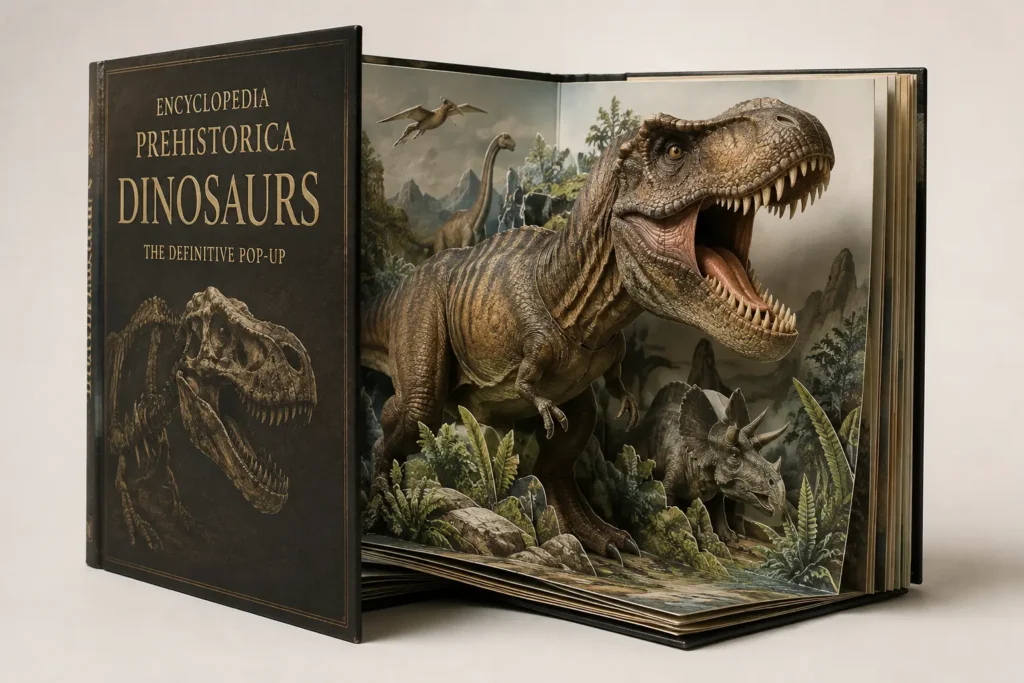
Encyclopedia Prehistorica: Dinosaurs
An interactive dinosaur book featuring spectacular three-dimensional pop-ups, particularly suited to young readers and families.
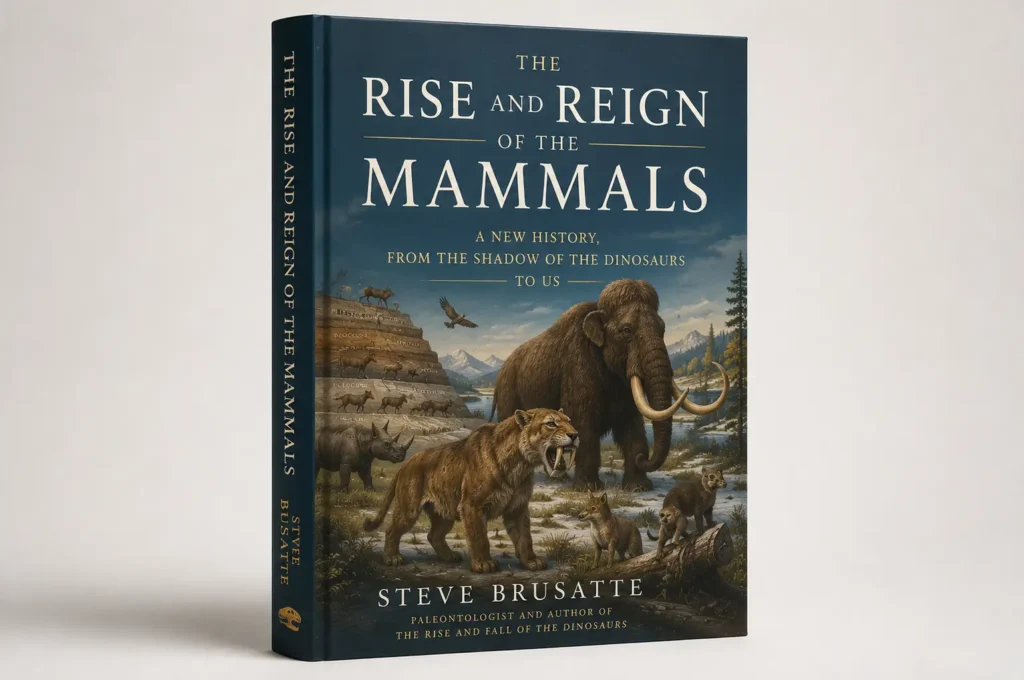
The Rise and Reign of the Mammals
A sweeping history of mammalian evolution, from their origins alongside dinosaurs through the Cenozoic and the emergence of humans.