

At a Glance
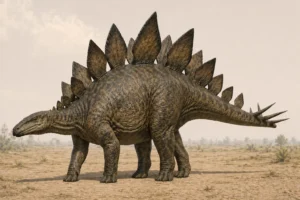
| Field | Information |
|---|---|
| Species | Stegosaurus ungulatus / S. stenops — Ornithischia, Stegosauridae |
| Period | Late Jurassic, approximately 155–150 Ma |
| Length | Up to 9 metres (30 ft) |
| Weight | Estimated 2,700–4,000 kg (5,950–8,820 lb) |
| Height at hips | Approximately 2.75 metres (9 ft) |
| Plate height | Up to 60 cm (24 in) on the largest individuals |
Quick Answer: Stegosaurus size reached up to approximately 9 metres (30 ft) in length and an estimated 2,700–4,000 kg (5,950–8,820 lb) in weight, making it one of the largest stegosaurid dinosaurs known. At the hips it stood roughly 2.75 metres (9 ft) tall — about the height of a standard single-storey ceiling doubled. Despite its bulk, its head was remarkably small relative to its body.
The back of a Stegosaurus came up to roughly the shoulder of a standing adult human — yet that same adult would have needed to look up to see the tops of its dorsal plates. Size in this animal was distributed unusually: an enormous body, tiny skull, and a swept architecture of bone and plate that made it look simultaneously larger and more peculiar than the raw measurements suggest.
How Big Was Stegosaurus?
Stegosaurus reached lengths of approximately 6.5–9 metres (21–30 ft) depending on the species and individual specimen, with body mass estimates from biomechanical modelling ranging from roughly 2,700 to 4,000 kg (5,950–8,820 lb). Hip height in large adults reached approximately 2.75 metres (9 ft). These figures are drawn from multiple well-preserved specimens in the Morrison Formation; estimates vary between specimens and modelling approaches.
The largest known individuals come from Stegosaurus ungulatus material. Stegosaurus stenops, the best-known species, tends toward the mid-range of these figures. Biomechanical mass estimates carry inherent uncertainty — body mass in particular depends on assumptions about soft tissue volume, and published figures vary across studies. A range should be understood as representing that uncertainty rather than individual variation alone.
How Does Stegosaurus Compare to a Human?
A typical adult Stegosaurus was approximately four to five times the length of an average adult human and several times heavier. At hip height — roughly 2.75 metres (9 ft) — the animal’s back stood taller than most humans. The skull, however, was only around 40–45 cm (16–18 in) long: roughly the size of a horse’s head on a body the mass of a large rhinoceros.
Standing beside a Stegosaurus, a human adult would reach approximately to the mid-flank. The dorsal plates would tower well above a person’s head on the largest specimens.
How Big Were the Stegosaurus Plates?
The dorsal plates are structurally separate from the skeleton — they are osteoderms (bony skin structures) rather than attached bone — and size varies significantly along the spine and between individuals. The largest plates, positioned over the hips and mid-back, reached heights of approximately 60 cm (24 in) and widths approaching 60 cm (24 in) in large specimens of S. stenops. Smaller plates are found at the neck and tail. Full plate function is covered in the plate’s spoke; dimensions here are cited for scale context only.
Related and Contemporary Species
- Allosaurus fragilis — apex predator of the Morrison Formation and the primary large-bodied predator that Stegosaurus would have encountered; roughly 8.5–9 metres (28–30 ft) in length
- Brachiosaurus altithorax — contemporaneous Morrison sauropod; dwarfs Stegosaurus at estimated lengths of 20–26 metres (66–85 ft) and masses of 30,000–60,000 kg (66,000–132,000 lb)
- Diplodocus carnegii — another Morrison sauropod contemporary; reaches comparable or greater lengths than Stegosaurus in a very different body plan
- Kentrosaurus aethiopicus — African stegosaurid; substantially smaller than Stegosaurus at approximately 4–5 metres (13–16 ft), offering a useful within-family size comparison
How Stegosaurus Size Compares to Other Stegosaurids
Stegosaurus was the largest member of the family Stegosauridae. Its African relative, Kentrosaurus, reached roughly half the length. Huayangosaurus from China, one of the earliest stegosaurids, was smaller still at approximately 4 metres (13 ft). Within its own family, Stegosaurus represents the upper size limit currently documented in the fossil record.
Size within Stegosaurus itself varied by species and ontogenetic stage. Juvenile specimens are known and are substantially smaller, though distinguishing juveniles from small-bodied adults in fragmentary material requires caution.
Frequently Asked Questions
How big is a Stegosaurus compared to a human?
A Stegosaurus was approximately four to five times the length of an adult human. Its back stood at roughly 2.75 metres (9 ft) at the hips — above most people’s heads — while its skull was only around 40–45 cm (16–18 in) long. A standing adult human would reach approximately to its mid-flank.
How heavy was a Stegosaurus?
Biomechanical estimates suggest Stegosaurus weighed approximately 2,700–4,000 kg (5,950–8,820 lb), comparable to a large white rhinoceros. Mass estimates vary between studies depending on assumptions about soft tissue volume and body shape, so a range better reflects current evidence than any single figure.
Was Stegosaurus bigger than an elephant?
A large Stegosaurus was longer than an African elephant — up to 9 metres (30 ft) versus roughly 5–7 metres (16–23 ft) — but comparable in mass. African elephants typically weigh 4,000–6,000 kg (8,800–13,200 lb); Stegosaurus mass estimates overlap the lower end of that range. Body shape was entirely different: Stegosaurus was lower-slung and longer rather than tall and compact.
Stegosaurus was a large-bodied animal by any measure — one of the biggest stegosaurids in the fossil record —, but its proportions were unlike almost any living animal today. Enormous body, small head, and a row of plates that added apparent height well beyond the skeleton itself.
Recommended Paleontology & Natural History Books
As an Amazon Associate, Extinct Atlas may earn from qualifying purchases.
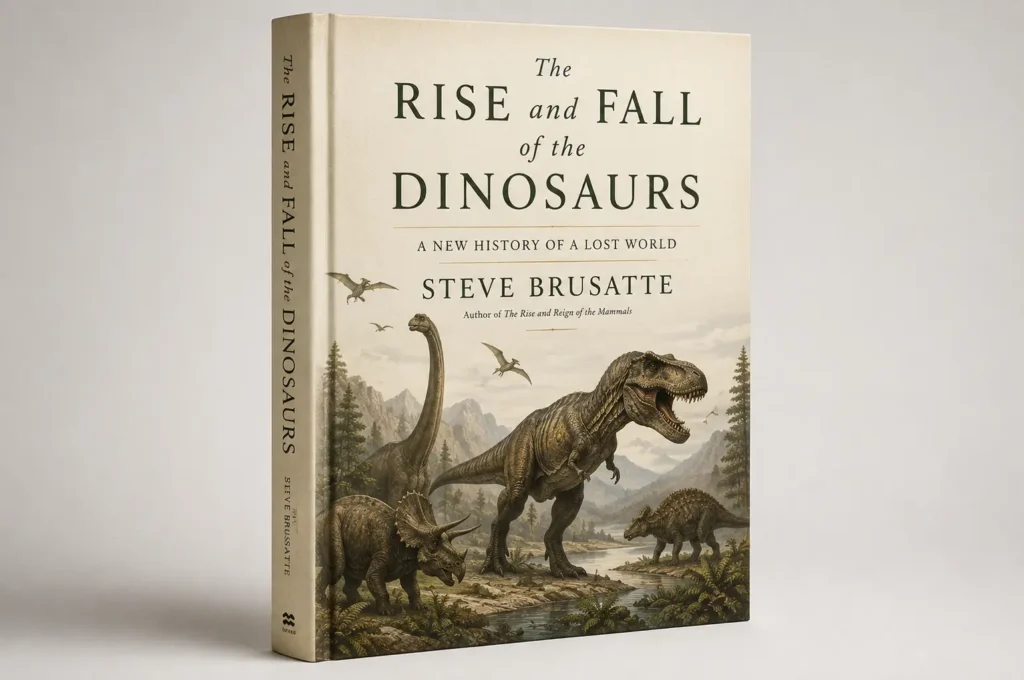
The Rise and Fall of the Dinosaurs
A compelling history of dinosaurs, tracing their origins, diversification, 200-million-year reign, extinction, and enduring legacy.
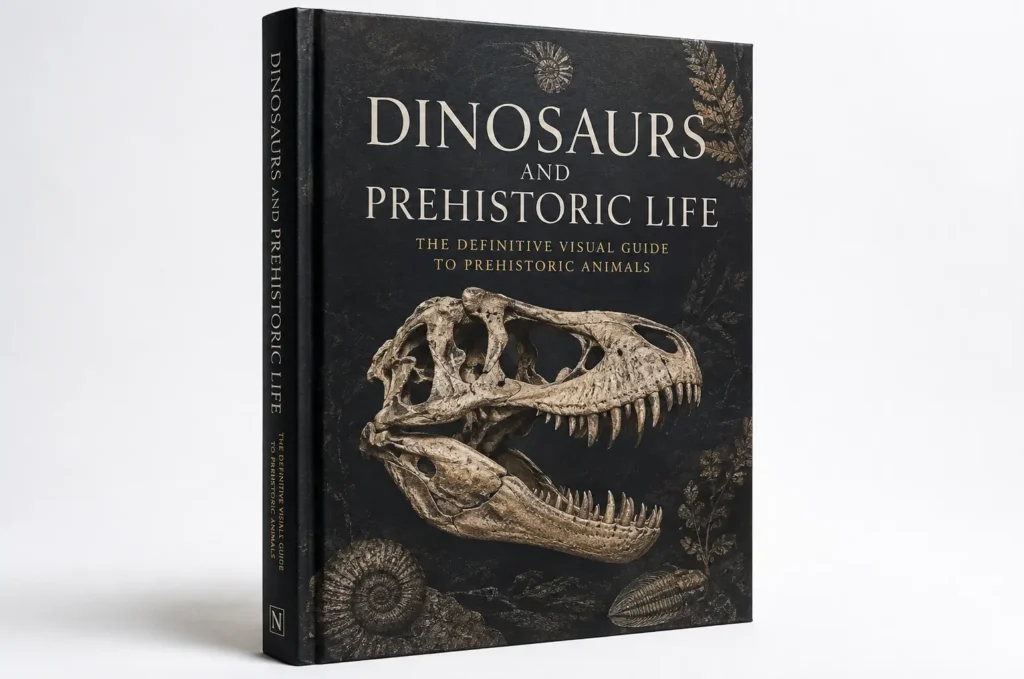
Dinosaurs and Prehistoric Life
A richly illustrated visual reference exploring dinosaurs, fossils, evolution, and prehistoric life across geological time.
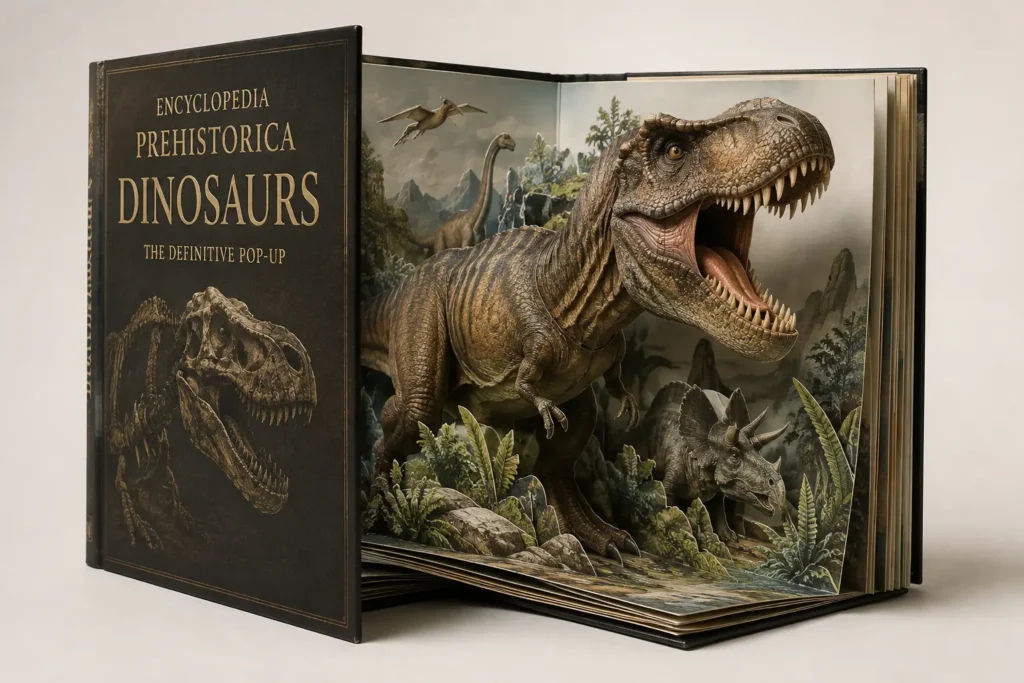
Encyclopedia Prehistorica: Dinosaurs
An interactive dinosaur book featuring spectacular three-dimensional pop-ups, particularly suited to young readers and families.
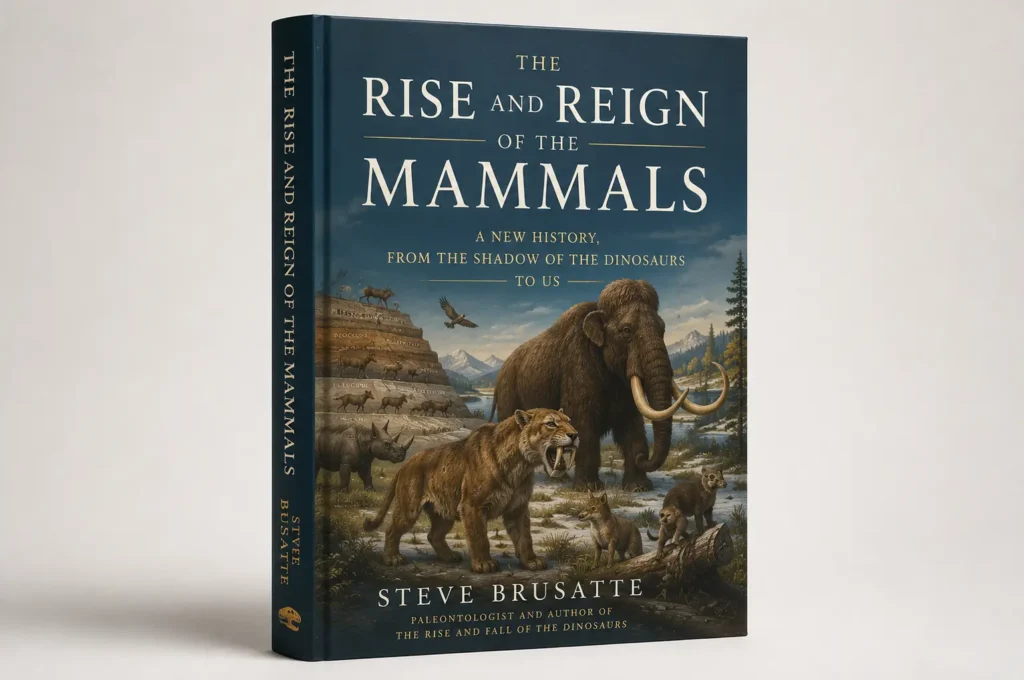
The Rise and Reign of the Mammals
A sweeping history of mammalian evolution, from their origins alongside dinosaurs through the Cenozoic and the emergence of humans.